
Immediately, the rankings revealed a stark geographical pattern. The first surprise—especially for professors who have spent our careers studying urban poverty—was that the most disadvantaged places on our index were primarily rural. But they didn’t fit the stereotypical image of rural America. Though some of these were majority white, most were majority Black or Hispanic. We could see, too, that many places with large Native American populations ranked among the most disadvantaged in the nation. Considerable poverty exists in Chicago, Los Angeles, and New York. But in our apples-to-apples comparison, none of those cities ranked among even the 600 most disadvantaged places in the nation. The only cities on that list were a relatively small number of industrial municipalities such as Cleveland, Detroit, and Rochester…
The places that our index identified as the 200 most disadvantaged are concentrated in three regions—Appalachia, South Texas, and the southern Cotton Belt. (Not one county in the West, apart from those with disproportionately large Native American communities, showed up on the list.) These places share a history of intensive resource extraction and human exploitation not seen to the same degree elsewhere in the United States. In each place, this economic pattern emerged (or, in the case of the Cotton Belt, fully flourished) in the late 19th or early 20th century. In each place, one industry came to dominate the economy, a pattern that held, broadly, until the 1960s, when King Cotton, King Tobacco, King Coal, and South Texas agriculture, would bow to the twin forces of automation and global competition…
Exploring the other end of our Index of Deep Disadvantage—the places identified as those of greatest advantage—was also vital to our research. Once again, we were surprised by where the index took us. It was not Manhattan or tech-rich Seattle. Instead, the list pointed us to the upper Midwest: Minnesota, the Dakotas, Wisconsin, Nebraska, and Iowa. Overall, poverty rates in these places are very low, babies are born healthy, people live to a ripe old age, and a low-income child usually has a similar chance of making it into the middle class as any other kid.
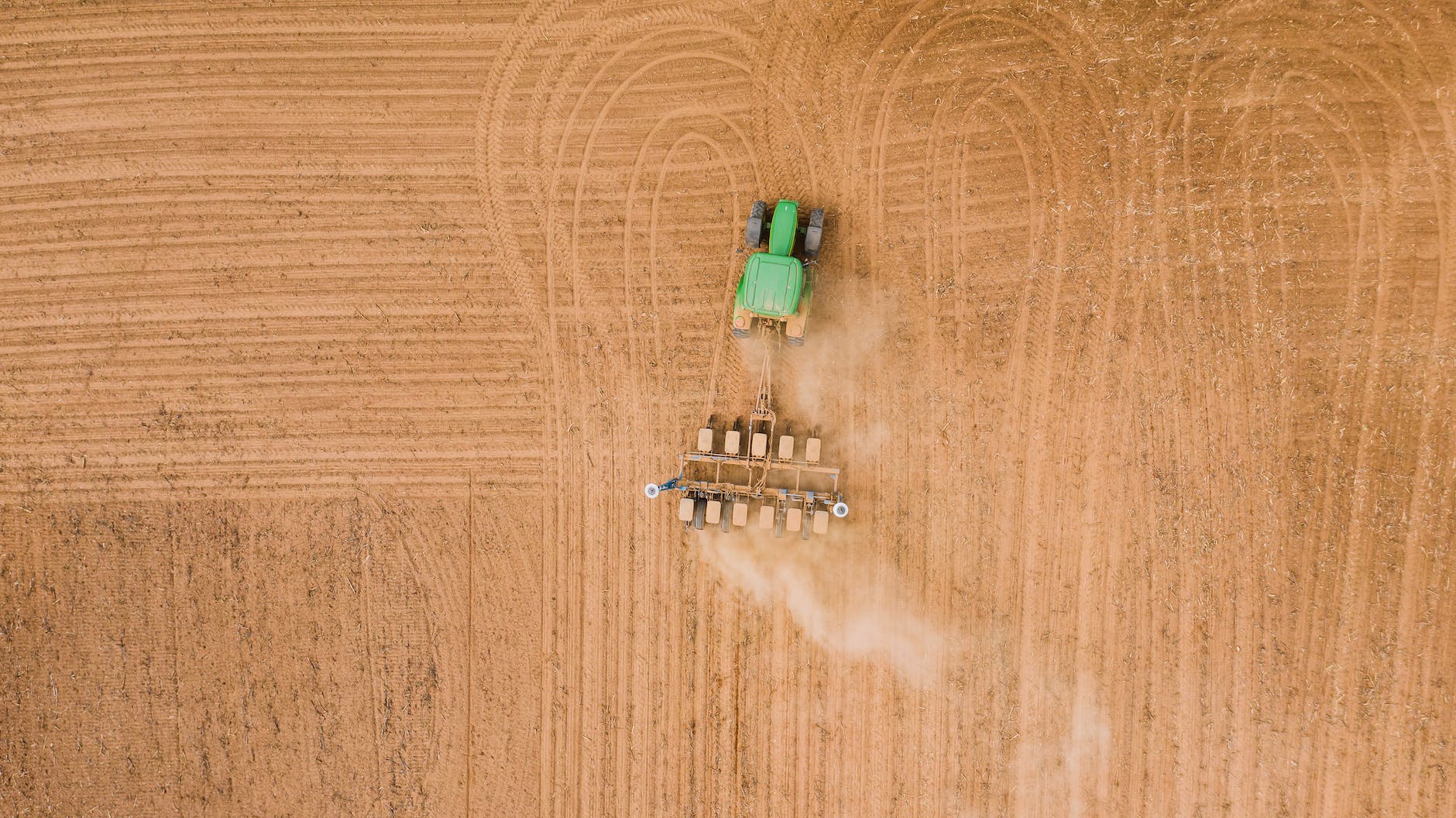
Counties that rank among those of greatest advantage began as agricultural communities with modestly sized farms, many originally secured through the 1862 Homestead Act that made landownership widely available. Many of these places have built on this history of broad-based wealth by making significant investments in schools, which has contributed to high graduation and college enrollment rates over generations. Using the best data available, we found that they have enjoyed the lowest rates of violent crime, income inequality, and public corruption in the nation. These counties are unusually rich in social capital: Residents are connected to one another through volunteerism, membership in civic organizations, and participation in other community activities.
Who owns land? Who benefits from working it? It sounds like the Upper Midwest offered more opportunities for settlers to purchase land and develop wealth over the long run. In contrast, the three areas of disadvantage identified had more disparities in land ownership versus who worked the land. Additionally, Native Americans were removed from land that offered opportunities.
Approaches to addressing inequality and poverty in the United States can often involve homeownership but less discussed is land. A house is often tied to a particular property that has its own value. The land identified in the rankings above were particularly important for subsistence. This is not so much the case with urban and suburban land today where the proximity of the land to amenities and the size of the lot matter more than the owner’s ability to live off of it.
The rankings above also hint at the long-term consequences of land ownership. Who can access and own land now will matter for decades, possibly centuries.
 Legally Sociable