
A Chicago housing report looks at what kid of rental units have been constructed in recent years:
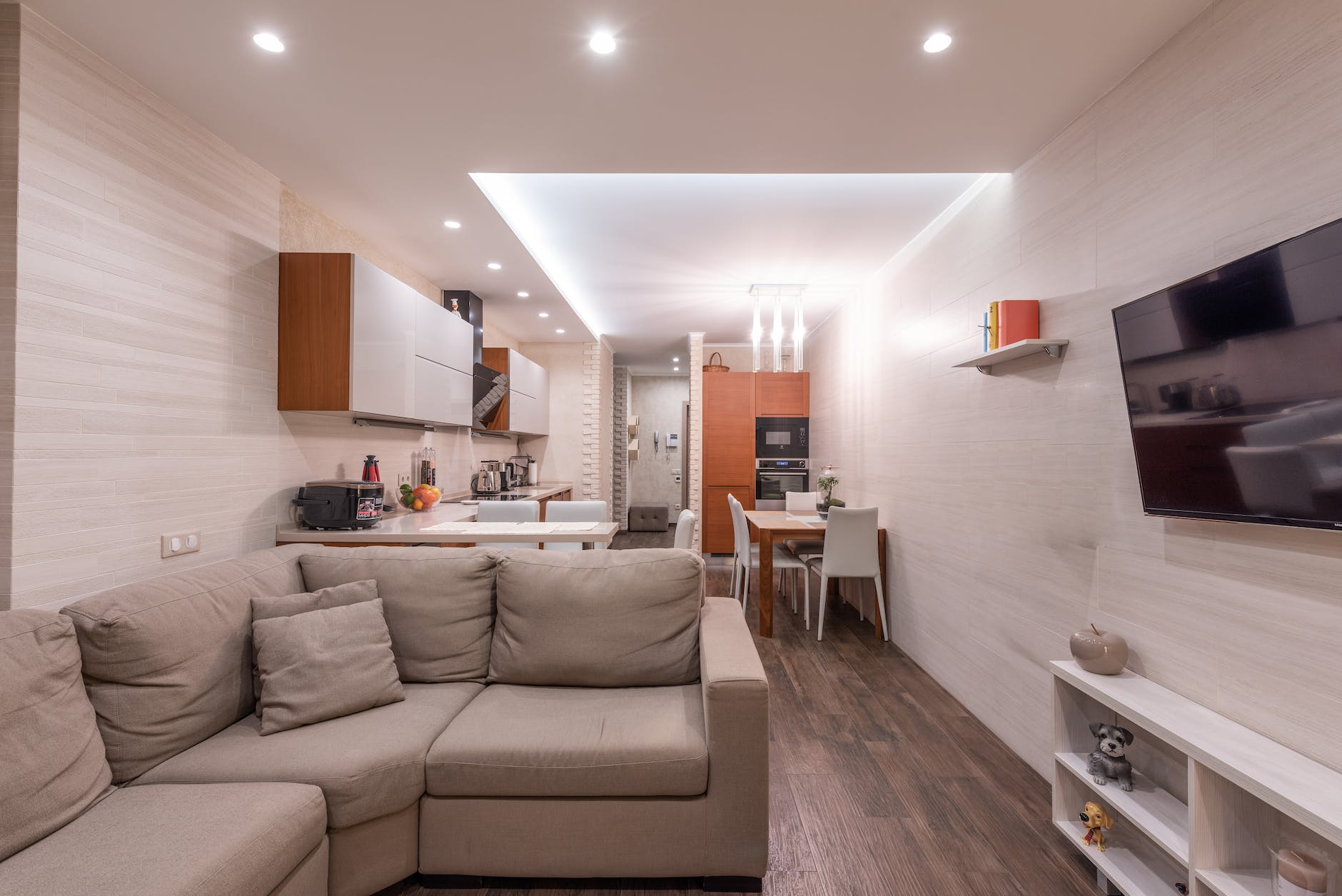
Chicago is seeing more rental housing developments geared toward families like the Matariyehs, as buildings with higher concentrations of two-bedroom or larger apartments are coming on the market or under construction. On top of the shortage of housing broadly, there is also a shortage of family-sized rental housing — typically defined as units with two or more bedrooms — in Chicago and nationally. Rental housing for families that is affordable is in especially limited supply, as two- to four-flats have continued to be gobbled up or priced up by gentrification in Chicago.
A 2020 report from the Chicago Department of Housing finds that for the past decade, market-rate construction has leaned heavily toward studio and one-bedroom units, which, in turn, has shaped affordable housing production. For affordable housing developed through the city’s Affordable Requirements Ordinance — the policy which requires many developers to make a chunk of their units affordable housing — more than 75% of units under construction or completed as of 2020 were studios and one-bedrooms, with less than 5% being three-bedroom units or larger, according to the city report.
Whether in city neighborhoods or suburban communities, larger units mean more children might be present. Children need to go to school. Children can create noise. Children might be drawn to different local amenities than others.
Some of this is a cost question. Housing proposals in suburbs can often into details about how many children might be attending local schools. How will these costs be covered?
Some of this might be a lifestyle question. The explosion of developments and communities for older residents appeals to a particular set of people. Or, more American households include only one person.
When thinking about more expensive developments in cities and suburbs, many places look at two groups of residents they want to target: young professionals and downsizing seniors. The first group is college-educated and is looking for a package of culture and entertainment. The second group is looking to move to a smaller space and enjoy life in ways they might not have been able to with work and/or family obligations.
There will always be at least a few places and developments that appeal to families. Suburbs, for example, can be known for being family-friendly. There is money to be made here.
But, shifts in households and lifestyles may mean an increasing number of places with relatively few or no children – and this is reinforced by the built environment.
 Legally Sociable