
The Chicago region is built around a hub-and-spoke railroad system. But, what happens to those railroads when fewer people take the train into the city five days a week?
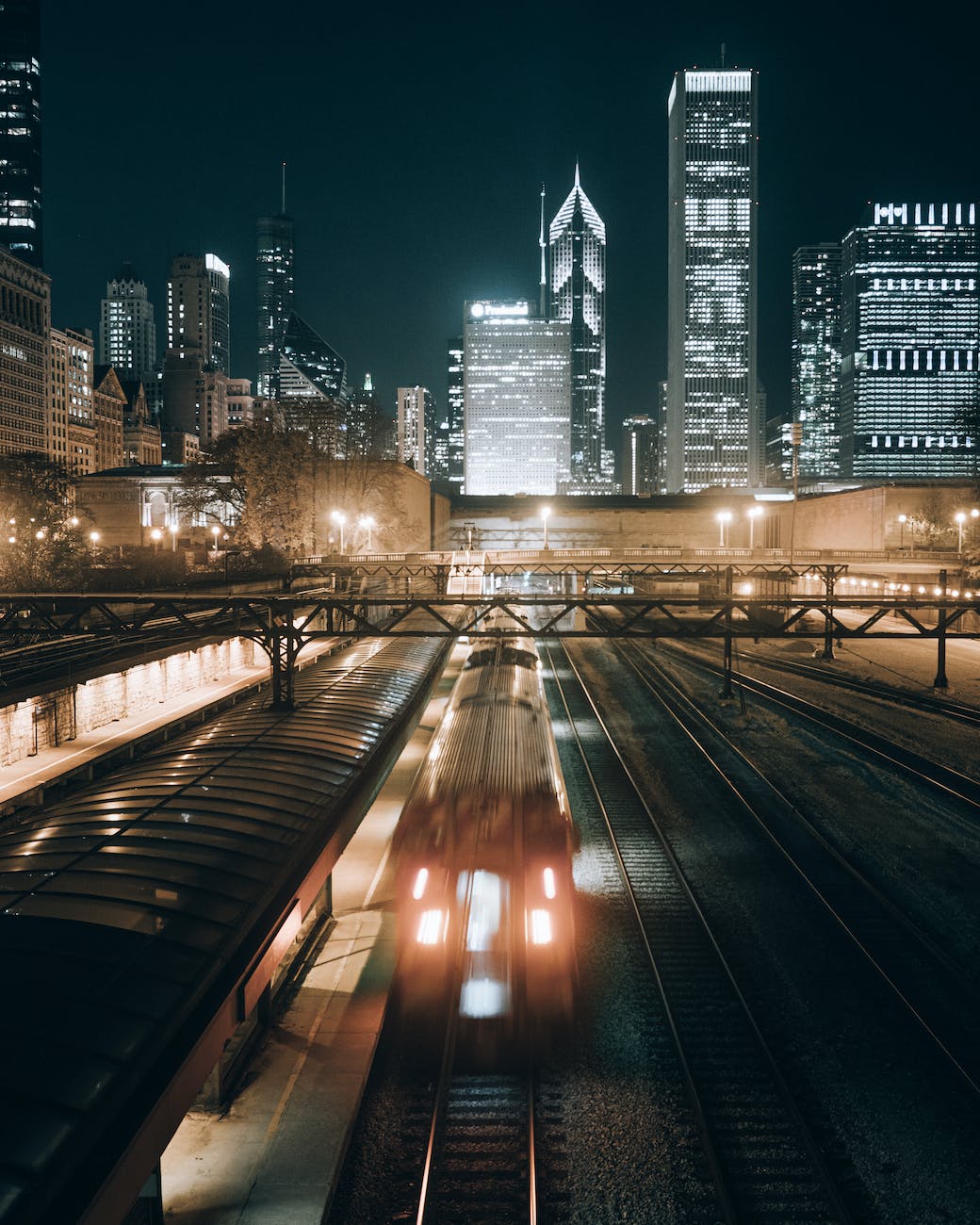
The 9 a.m.-5 p.m., five-days-a-week-in-an-office commuter is an endangered species on the brink of extinction. And that reality poses an existential crisis for transit agencies, especially commuter rails like Metra.
Now the agency’s post-pandemic recovery plans are coming into focus, and commuters could soon feel changes, from some increased fares to new ridership packages that will make a popular 10-ride card obsolete.
But perhaps the most interesting shift is Metra’s attempt to market itself as more than a vehicle to get white-collar workers downtown…
The plan is also focused on promoting non-downtown trips, which Metra sees as a growth opportunity. To encourage a trip to the zoo, for example, one-way tickets that don’t include a downtown starting point or destination would cost $3.75 regardless of distance…
Even if Metra wanted to add more frequent trains — which Gillis said it does — that change can’t happen overnight. Mixing up schedules would likely require infrastructure updates and new agreements with the freight railroads that share the tracks Metra trains travel on. All that would come at a cost, which may be out of reach for an agency barrelling toward a budgetary crisis.
One issue that is very difficult to address: is the railroad infrastructure in the Chicago region just not in the right places? The hub-and-spoke model worked for decades but more commuting is suburb to suburb. The region needs rail lines and other mass transit options that link suburbs and suburban job centers. Even just adding one or two dependable connector options between the Metra lines could be a big help. (See the proposed STAR Line.)
Another route to pursue: continue to encourage communities to build more transit-oriented development that can help create a larger residential base who can easily hop on and off railroad lines. I was recently on a suburban railroad line and saw a family with small kids hop on for three stops and get off. If more people can easily walk to a station, travel quickly and reliability, and find something interesting within a short walk a few stops away, they will do so. What might be good for local development can also be good for Metra.
 Legally Sociable