
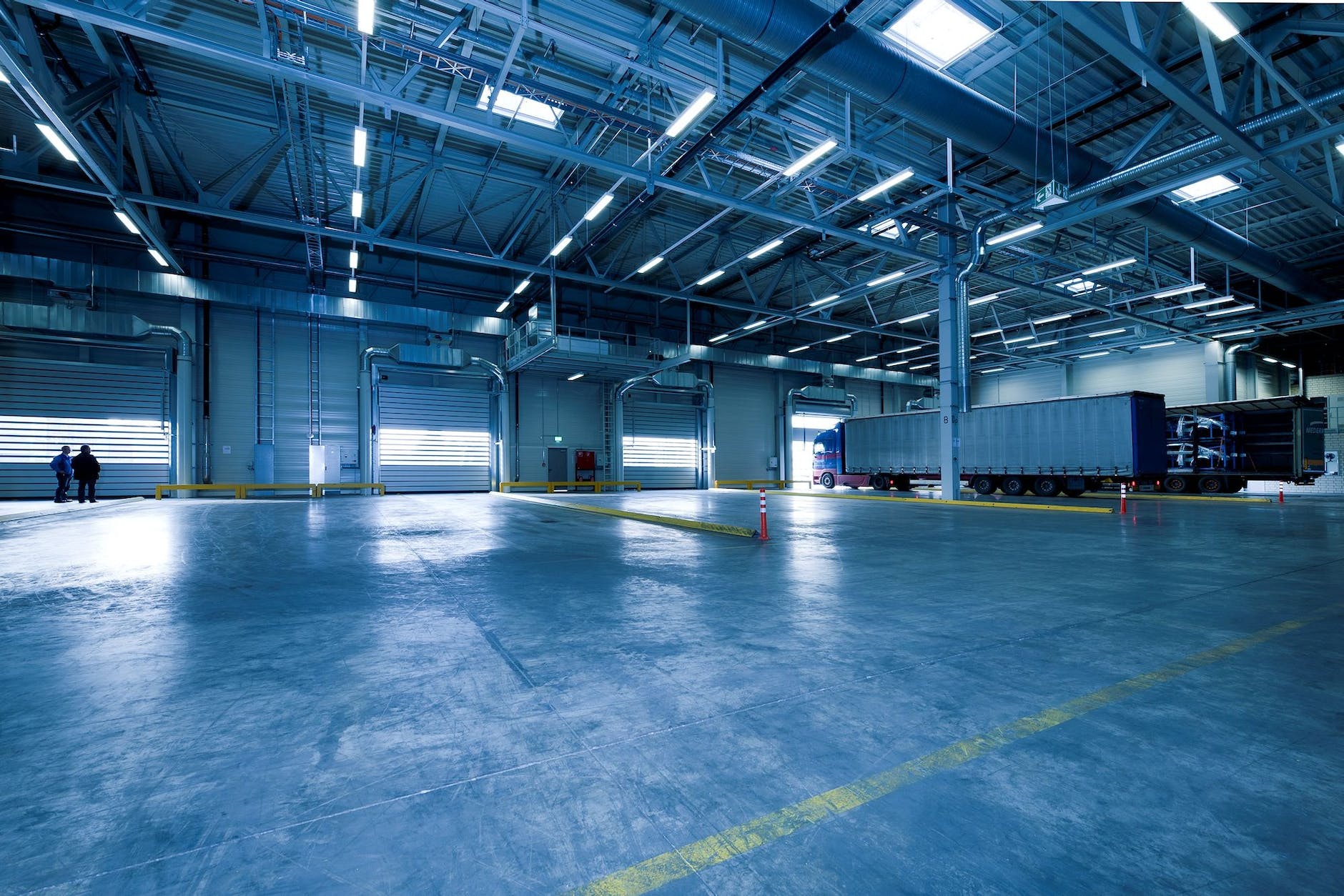
Catalyzed by the pandemic, the demise of corporate campuses has created a development explosion, as dormant office space is transformed into industrial use for the digital age. Data centers provide the infrastructure for online commerce, while logistics centers deliver the goods to your doorstep.
The warehouse facilities also deliver tax revenue for municipalities, construction jobs and depending on the use, some permanent jobs as well. But the economy-boosting days of 5,000 employees descending on a community may be a thing of the past…
Chicago has the most transportation, distribution and logistics firms in the U.S., and Illinois ranks No. 4 among states with 20,500 companies employing more than 331,000 people, generating nearly $39 billion in annual economic output, according to Intersect Illinois.
In October, with many of its 5,400 Chicago-area employees working remotely, Allstate sold its north suburban corporate campus along the Tri-State Tollway for $232 million to Dermody Properties. The Nevada-based developer is turning the 232-acre property, which was annexed by Glenview, into a 10-building, 3.2 million-square-foot logistics park…
The project, which is expected to cost more than $500 million including land acquisition, will be one of the largest urban logistics developments in the U.S., bringing a projected 1,900 jobs, a new streetscape and vastly different traffic patterns than the former insurance headquarters.
It is best to state this at the outset: empty properties are not desirable in suburbs. Even if something is paying the property taxes, empty properties decrease the status of a community and do not bring in additional benefits like jobs and tax revenues.
That said, many communities and suburbanites would see the trade from a prestigious headquarters or office park to warehouses as a big downgrade. They will not be fooled by calling them “logistics centers.” Gone are white-collar jobs and a Fortune 500 company. In are trucks, traffic, and blue-collar jobs. Gone are steel and glass buildings that signify progress and higher status. In are preformed panels and boxy structures. Residents like having goods delivered to them quickly but they do not necessarily want to see the fulfillment and delivery process happen next door.
The truth is that not every community will attract developers who want to build a large mixed-use development. Or, waiting for a developer who has an attractive idea and does not want too much public money might take a long time. Some communities will move faster than others to turn vacant structures into working properties. Others will resist and be able to turn down these options.
But, the spread of warehouses in suburban areas to even middle- and upper-class suburbs means changes for these communities. Once marked by pristine offices serving as status symbols, some of these communities will now be home to logistics centers sending out goods far and wide.
 Legally Sociable
Pingback: The sorting of suburban residents either far or near to undesirable land uses | Legally Sociable