
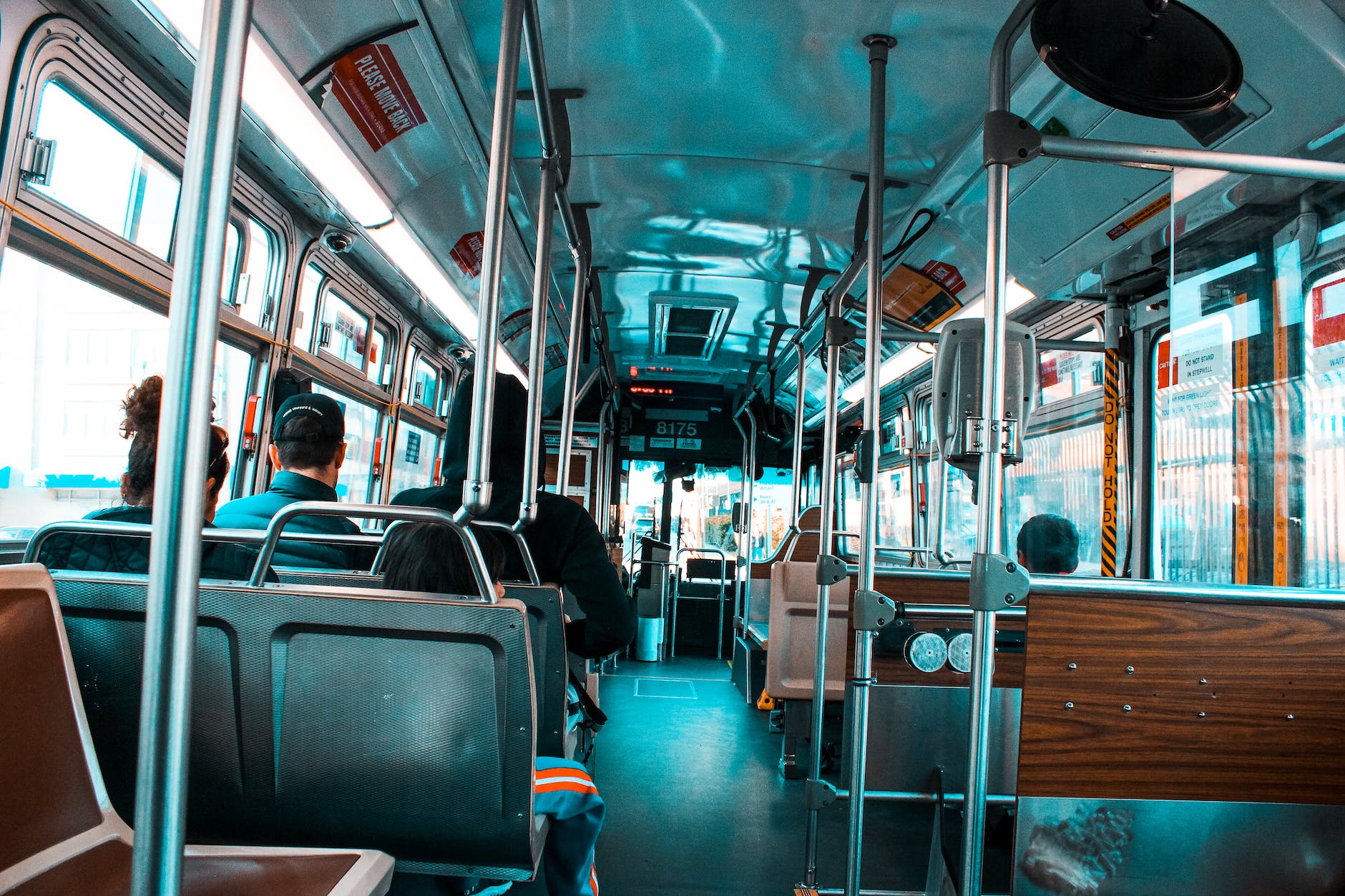
Rosemont could cite and fine bus companies from Texas, impound their vehicles, and arrest drivers for dropping off migrants in town, under an ordinance approved Monday.
The new rules — which are similar to ones in Cicero and tighter penalties being considered by the Chicago City Council this week — come after about a half dozen buses started bringing asylum-seekers to Rosemont last Wednesday.
Each bus had about 40 to 50 people, who were being let off in front of the Donald E. Stephens Convention Center, the Metra Rosemont station on Balmoral Avenue, and the Metra O’Hare transfer station on Zemke Boulevard on airport property next to Rosemont.
“We’re not going to let them just drop people off and drive away,” Mayor Brad Stephens said Monday. “It’s inhumane dropping them off on a concrete sidewalk on a day like today.”
Add this to restrictions on housing migrants long-term.
Chicago has added similar penalties to buses:
Migrants are no longer being dropped off at the city’s landing zone on buses from the southern border, causing people to wander with no direction looking for shelter, according to an aide to Mayor Brandon Johnson.
Cristina Pacione-Zayas, Johnson’s deputy chief of staff, said the lack of communication is directly correlated with the city’s harsher penalties for bus owners whose vehicles violate rules to rein in chaotic bus arrivals from the southern border. She suspects bus companies are finding other ways to get migrants into the city. As of Saturday, more than 25,900 migrants had arrived in Chicago since August 2022, according to city records.
Under revised rules Wednesday, buses face “seizure and impoundment” for unloading passengers without a permit or outside of approved hours and locations. Violators will also be subject to $3,000 fines, plus towing and storage fees.
If this “works,” how many suburbs and cities will adopt similar approaches?
 Legally Sociable
Pingback: Buses, migrants, and race and social class in the United States | Legally Sociable
Pingback: Hub-and-spoke railroad systems, buses, and migrants getting to Chicago | Legally Sociable
Pingback: “There are no known organized efforts in the suburbs for residents to take in asylum-seekers.” | Legally Sociable
Pingback: Not many takers of money available to Cook County suburbs to help migrants | Legally Sociable
Pingback: Immigration enforcement operations taking place in cities – and suburbs | Legally Sociable