
Starter homes are in short supply. Does this mean the idea that Americans should be able to purchase bigger homes as they age will change? One recent story looks at these expectations:
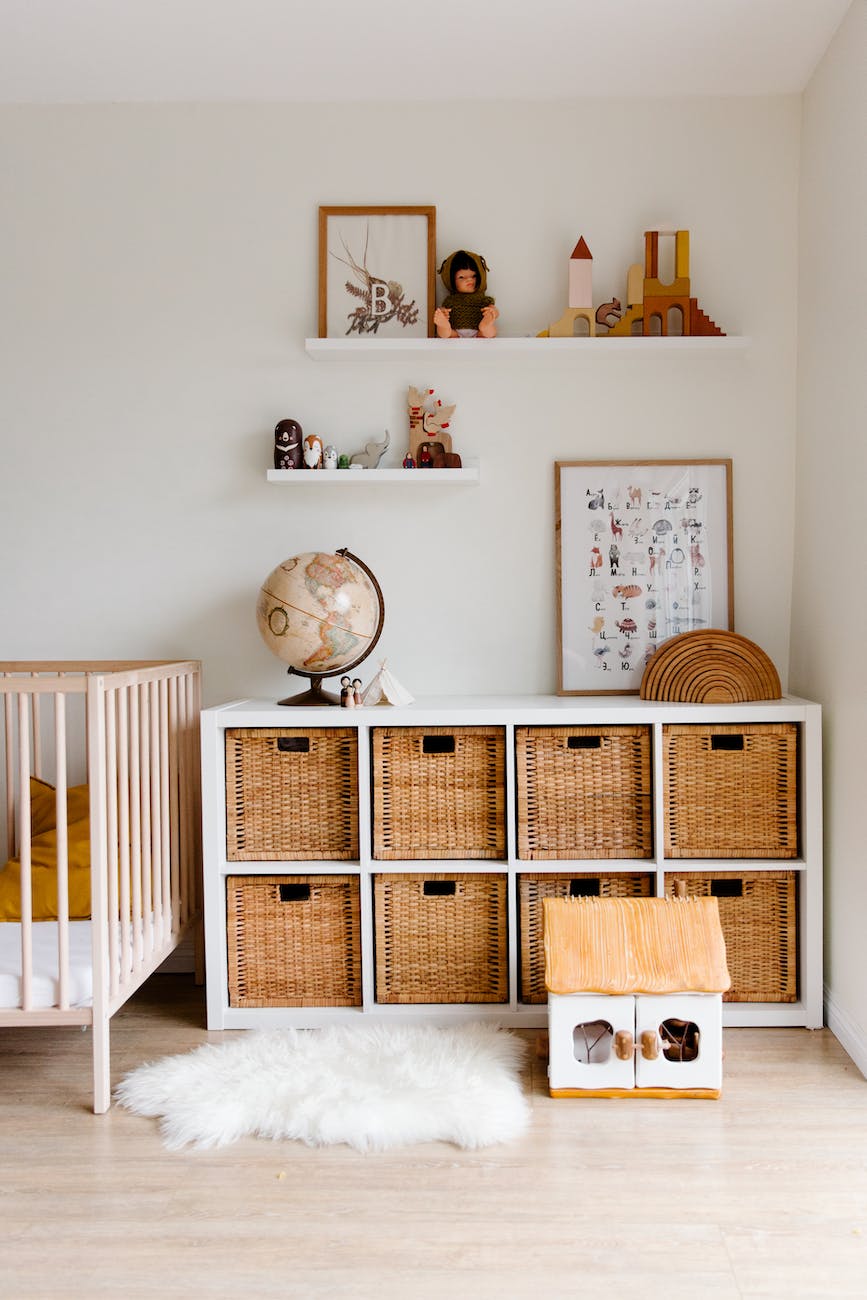
When Vickie Franzen and her husband, Jon Crenshaw, bought their first house in Roseville, Calif., in 2018, they never expected they would still be there in 2024, weighing whether to squeeze a desk into the nursery along with the crib, so the space could double as an office…
Suddenly, the house’s 1,600 square feet feel like a way tighter squeeze. But there’s another number they can’t get out of their minds, either: 3.5 percent, their current mortgage rate, which they scored by refinancing in 2020 and aren’t eager to give up.
Their quandary isn’t unique, of course. Today’s high interest rates and low housing affordability mean that all across the country, homeowners just like them – people who thought they were buying good-enough-for-now houses that they would leverage into dream homes soon enough – are having to reevaluate. Not that Franzen and others in her situation aren’t grateful to own a home, given the current market conditions. But turning a starter home into something closer to a forever home requires compromise, from sacrificing space to putting off having children…
Logically, as homeowners stay put, they consider whether to renovate. But acquiring a loan to fund a remodel can be costly. Renovation loans functionally refinance a mortgage at the current interest rate. And home equity lines of credit typically come with either adjustable rates or rates fixed at a high number.
The assumption is that there is a starter home – described as a “good-enough-for-now” home – which will soon be followed by a larger house – described above as “something closer to a forever home.” Americans have expected this for decades, particularly in the suburban era where single-family homes are a sign of status, private family life, and an important investment.
Built in to this expectation is larger and larger houses over time. Americans have the largest new homes in the world. The one example of square footage in the story involves a 1,600 square foot home. When the families interviewed for the story talk about their homes, they need more room for growing households. The American Dream is a dream of more and more square footage.
Do Americans need more space? They like more space, whether for more bedrooms or activity rooms or storage space. They expect more space.
As many articles in the last decade or so have noted, perhaps this simply means the starter home will go away and people will jump into bigger homes from the start. Why bother going through the trouble of a starter home if big homes are an option? And all those large homes owned by Baby Boomers might be available soon.
 Legally Sociable
Pingback: Are peripheral suburbs really “the most boring places in the world”? | Legally Sociable