
With less demand for suburban office buildings, the void is being filled with warehouses. One example from the northern suburbs of Chicago:
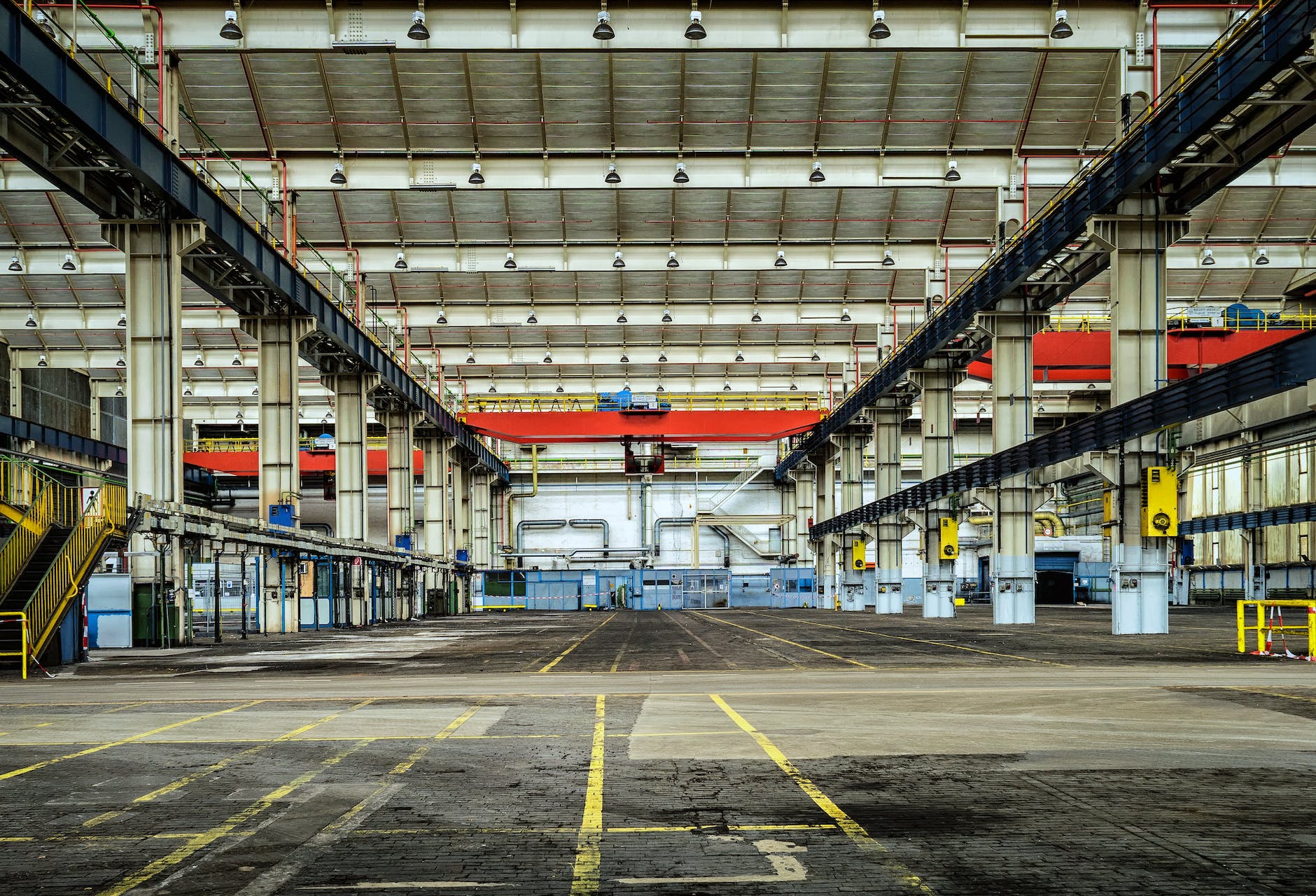
The old Allstate campus was a traditional suburban office environment with lush landscaping, reflecting ponds and thousands of workers. That property now is called the Logistics Campus, a massive industrial development underway in Glenview…
“The ability to put modern industrial in the middle of an established community — it’s unique in the sense that there will be very few other sites of this size that can replicate what we’re doing,” said Neal Driscoll, Dermody’s Midwest region partner.
Development of big-box industrial space in the Chicago region set a record in 2023 with construction of 70 buildings totaling nearly 33 million square feet, according to a recent report by commercial real estate company Colliers International.
The shift to warehouses in the suburbs has been going on for a while. What I noticed in this story was this thought: the unique opportunity to put warehouses (“modern industrial”) in “an established community.” Translation: many upscale suburbs would not chose to put in warehouses. They might generate noise and traffic. They do not provide many white-collar jobs. They are not attractive buildings.
But, empty office parks are also not desirable. Suburban offices or headquarters for Fortune 500 companies are attractive: quality jobs, status, most likely a glass building. No one working in these buildings and companies leaving these spaces leads to issues.
Thus, warehouses might now be found in communities that would not necessarily select them if they had such options. A set of warehouses might be preferable to vacant office buildings or unwanted office buildings. Figuring out the best land use or zoning in a suburb can be less about the most ideal use of land but rather about the possible alternatives at that moment.
 Legally Sociable