
I was recently asked about the history of the development of suburbs in the United States. Here was my brief answer regarding important factors in that history (not exhaustive, not ranked in a particular order):
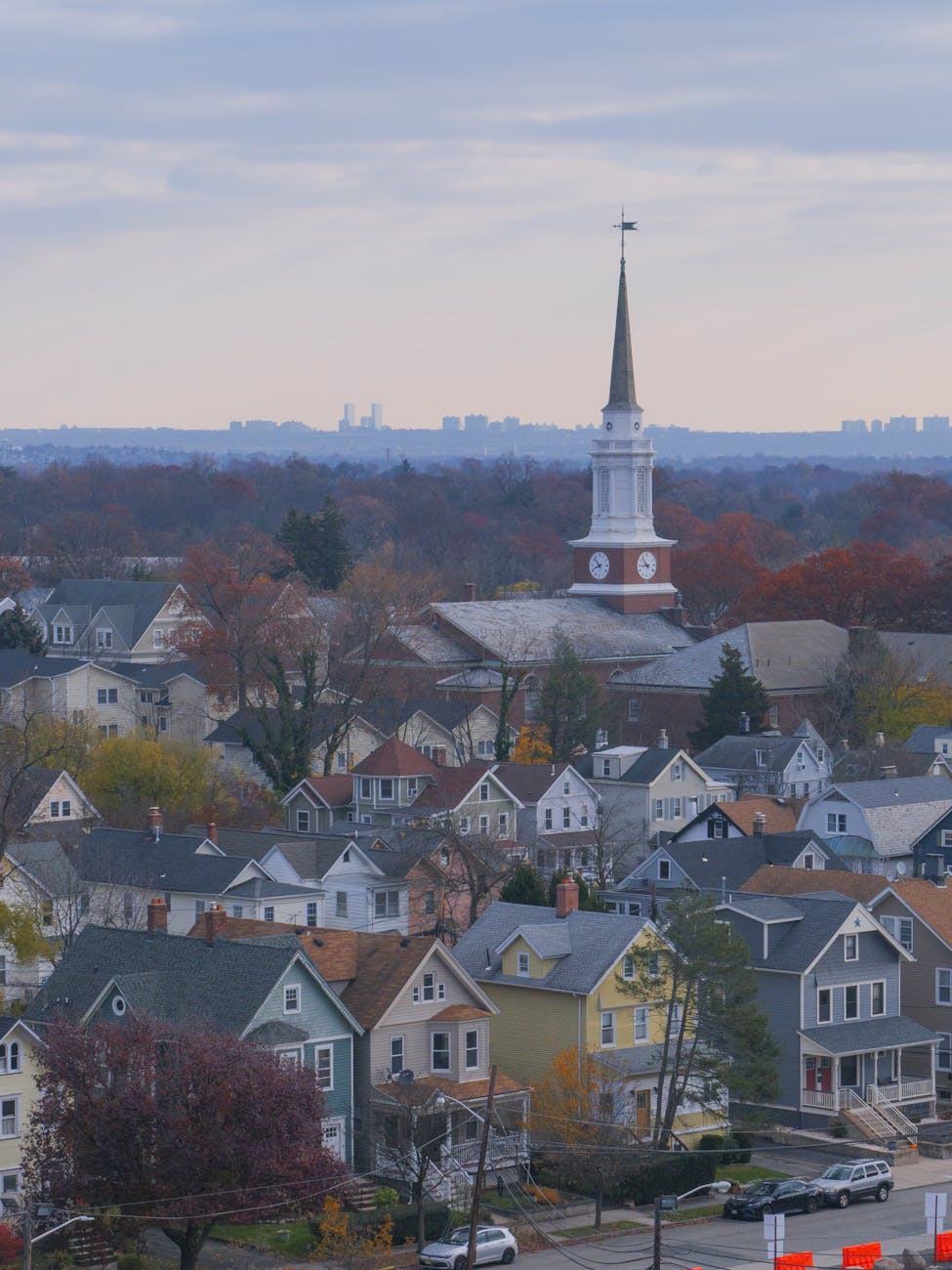
- The importance of single-family homes and private property that started in the mid-1850s with the idea of a little cottage in the woods.
- Anti-urban and pro-small town sentiments among Americans. These particularly developed as American cities start growing rapidly in the 1800s. Suburbs offer access to cities and their amenities while retaining some qualities of smaller towns like less distance between residents and local government.
- Race, class, and gender. This includes: white flight of residents, businesses, religious congregations, etc. from cities to suburbs; the idea of a suburban middle-class who should live a particular lifestyle in the suburbs; and expectations about nuclear family life in the suburbs.
- Government policy that consistently promoted suburban life including changes to mortgages in the first half of the twentieth century and largely funding the federal interstate system (while also putting less money into public housing, public transportation, etc.).
- The role of transportation technologies enabling faster travel from further distances (railroad, streetcars, automobiles). This gave rise to commuting, further separation of work and home, and suburban lives oriented around driving everywhere.
These factors are not new to this blog or the scholarship on suburbs. However, limiting the number of factors to five does make it interesting in terms of thinking through important factors. (See a related post: Why Americans Love Suburbs – seven reasons.)
 Legally Sociable