
The humble – mighty? – crow is congregating in some American cities:
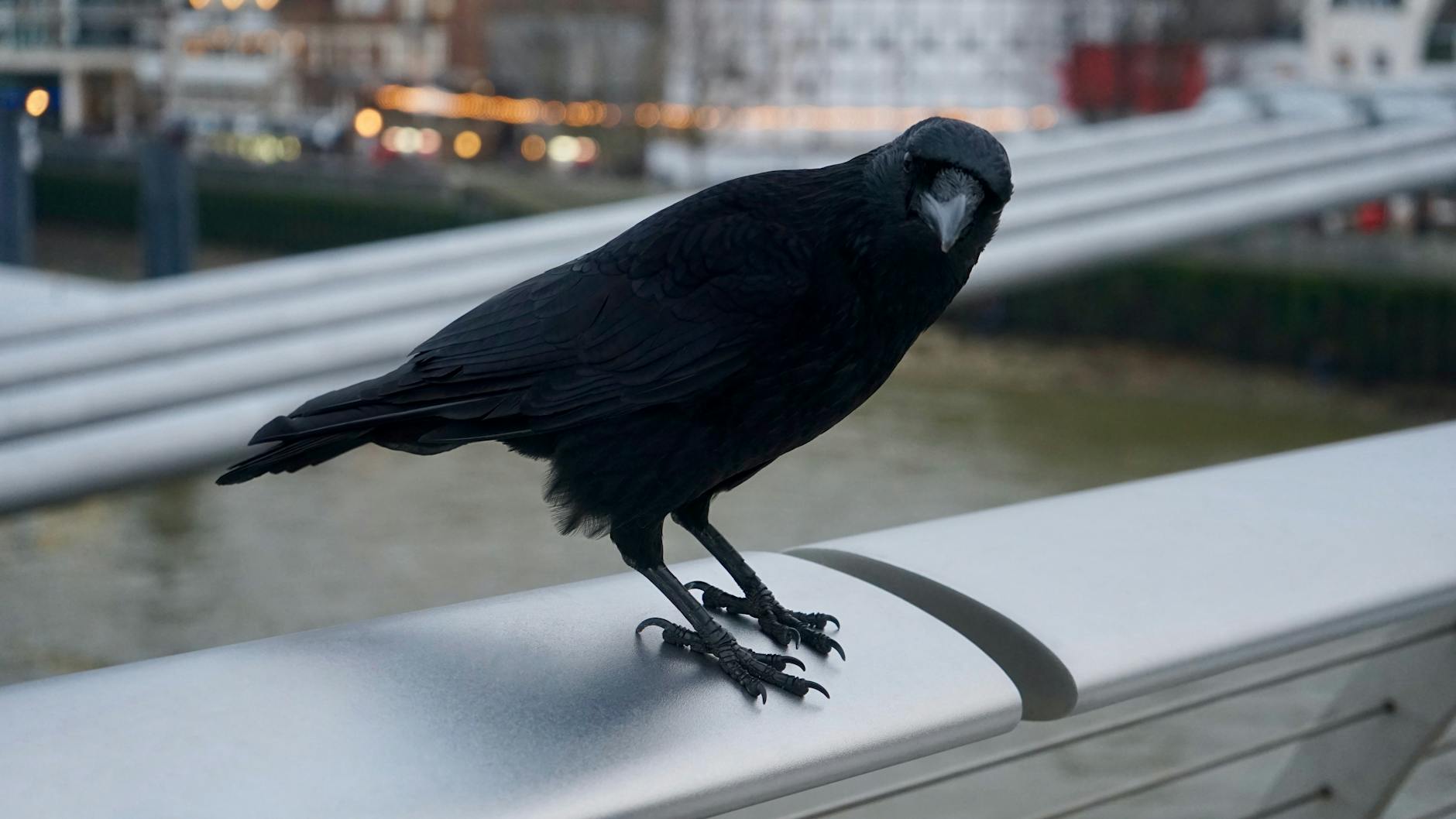
Across North America, crow populations have been declining for decades. But crows appear to be flocking to cities more than ever before. Cities from Sunnyvale, California, to Danville, Illinois, to Poughkeepsie, New York, host thousands of crows each winter. Some popular urban roosts host more than 100,000 crows each night.
Crows are territorial during the spring and summer breeding season, but during the rest of the year, they sleep in large groups known as roosts. Sometimes a roost occupies a single tree; sometimes it’s spread over multiple perching sites—usually flat roofs or treetops—in a consistent area. Roosting has clear advantages for crows, especially during winter. “They’re better off being in a big group, where they get the benefit of all those eyes looking out for danger. It’s also warmer,” John Marzluff, the author of Gifts of the Crow, told me.
City roosts offer even more advantages. The very features of urban life that harm other species—fragmented landscapes, bright lights at night, and open stretches of grass in parks—benefit crows. Lights make it easier to spot predators, such as owls. Grass doesn’t offer much in the way of food or shelter for many animals, but crows will happily dig through it for beetle larvae and other snacks. Also, Marzluff told me, crows like that we humans often plant grass close to clusters of trees, where they can sleep or nest, and other food sources, such as our trash. Fragmented habitats, such as a group of trees in a park surrounded by asphalt, harm other species because they aren’t big enough to foster genetic diversity. But they are ideal for crows, who can fly between pockets of greenery and like to have a variety of options for their nesting areas and foraging sites.
Crows, in other words, move to urban areas for the same reason humans do: Cities offer just about everything they need within flapping distance. During the breeding season, Marzluff said, crows even decamp to the suburbs to raise their families, just like humans. And once even small roosts are established, many of them grow year after year, from perhaps a few hundred birds to a few hundred thousand. News spreads fast through the crow community, Marzluff said: Crows share information with one another and develop traditions and culture within populations, including roosting habits, though scientists still don’t know exactly how they do it.
This reminds me of the book Subirdia which suggested some bird species can thrive with human development and others do not. Crows are likely not the only birds or animal species that finds cities to be a good habitat.
The article ends with suggestions from some that humans should embrace crows in cities. However, if the headline is prescient, would crows go the way of pigeons? Or might some another birds take over from the crows?
 Legally Sociable