
Both religion in the United States and the American suburbs are unique phenomena. Put them together over multiple time periods and you have a particular combination with varied expressions across contexts.
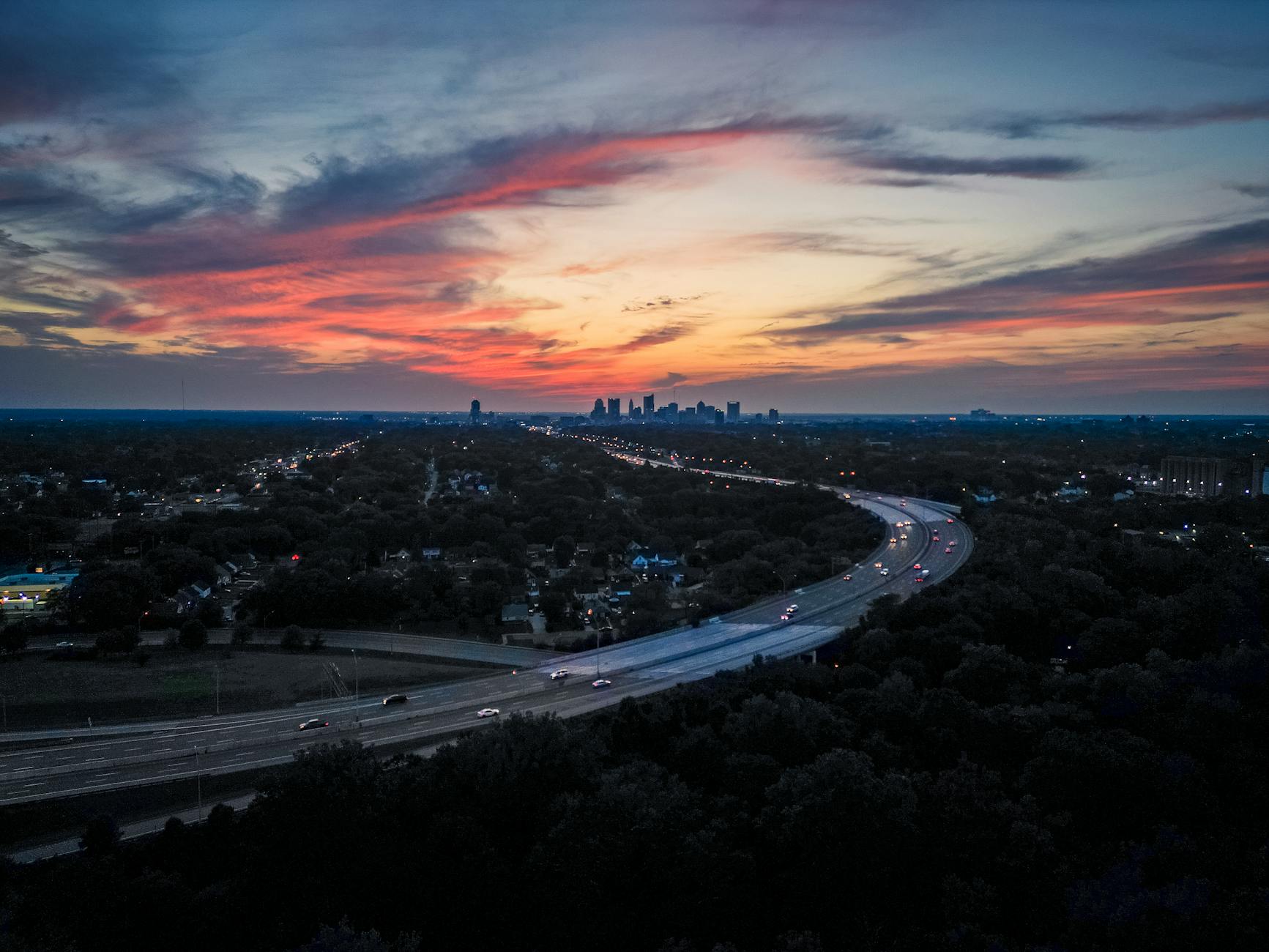
From the beginning of the American suburbs, congregations gathered and individuals practiced religious faith. By the decades after World War Two, when postwar suburban life centered on single-family homes and driving took off, American religious activity may have peaked. The growing number of suburbanites worshiped in suburban congregations old and new as suburban communities expanded.
The American suburbs continued to grow even as religious activity subsided. The 1960s were the first time more Americans lived in suburbs than either in cities or rural areas. By 2000, a majority of Americans lived in suburbs. The changes in American religion at the end of the twentieth century and the start of the next century, such as a emergence of evangelicalism and the increase in those claiming no religious affiliation, interacted with suburban life.
The following posts will detail some of the specific features of suburban religion. Before getting to those traits, I want to highlight three broader patterns in these intertwined phenomena:
- The rise of suburbs and their populations paired with the relatively decline in urban populations contributed to a perception that suburbs are more religious and cities are more secular. Reality is more complex than this as American cities and urban neighborhood can contain lots of religious activity and diversity while suburban areas might not be.
- Both religion and suburbia influenced each other. It is not just a one-way street where growing sprawl changed religious patterns. Did changing religious patterns also legitimate and support sprawl? Could the American suburbs have occurred as they did without support of religious groups and adherents?
- The religious landscape in the suburbs is not flat or always trending in one direction. It is varied and dynamic with forces internal and external to religion and place shaping patterns.
The next post will detail the diverse religious landscape now found in the American suburbs.
 Legally Sociable