
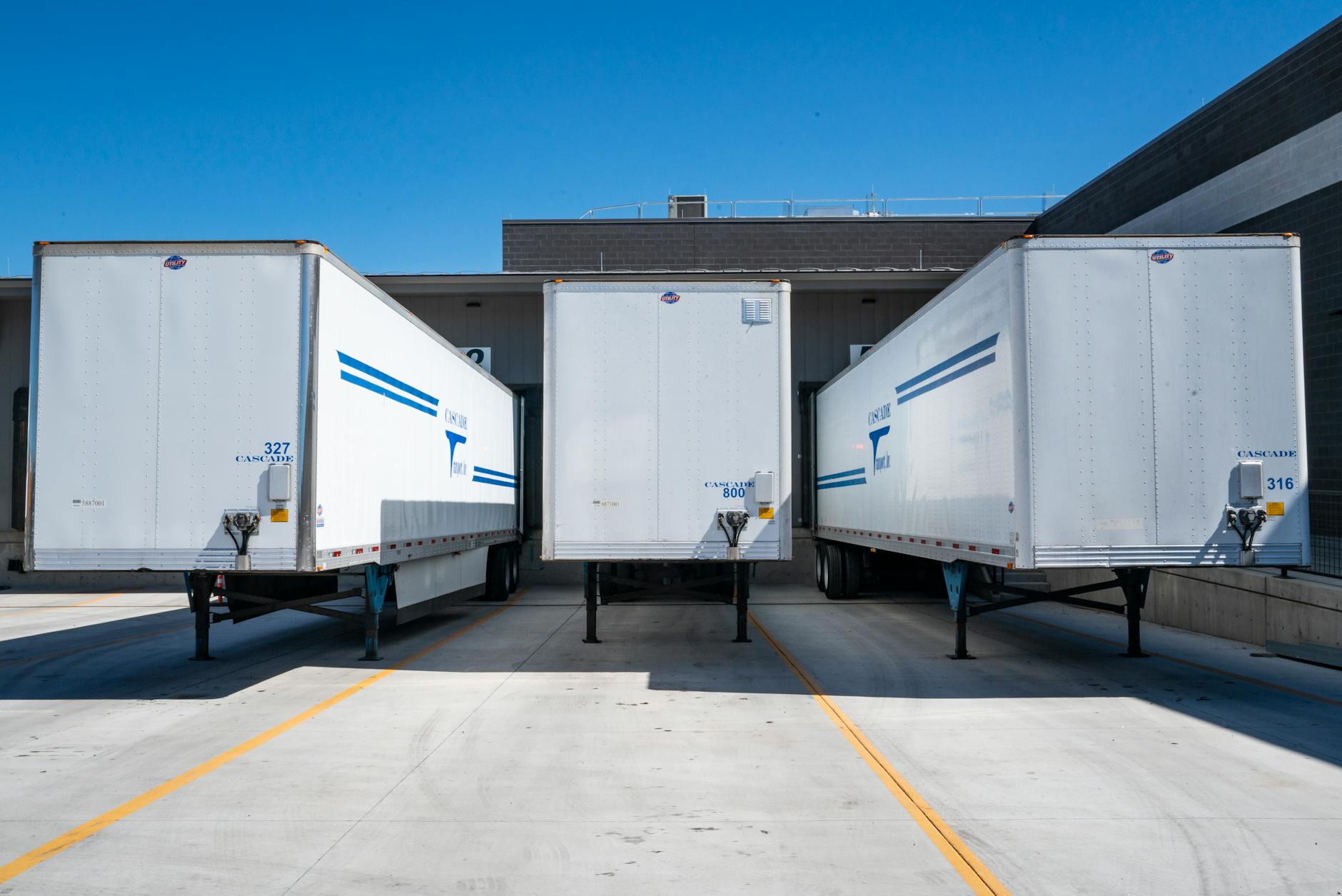
Shippensburg, Pennsylvania, and nearby rural towns like it are being drastically transformed into distribution hotspots for major retailers like Amazon and Walmart – to the dismay of some longtime residents.
With its endless acres of farmland, the tiny town is seemingly the perfect location for huge warehouses – and it is at most a day’s drive away from one-third of the US population and half of Canada‘s, making it the ideal delivery truck epicenter…
P&G, which owns Charmin, Crest, Gillette and Pampers, was one of the first to do so in 2014, followed by Amazon.com, DHL, FedEx, Home Depot, Kohler, Lowe’s, Office Depot, Pepsi, SC Johnson, Staples, Target, Ulta Beauty, Unilever and UPS, among many others…
What’s happening in Shippensburg is similar to what’s already happened to California’s Inland Empire, which used to be a major center of agriculture. Now, this area of southern California is the nation’s warehouse capital, home to Amazon and Walmart facilities.
Take out a map, draw circles around major population centers, and see the places where these circles intersect. That places like Shippensburg could be so close to so many people marks it for these changes.
This could help remind people of the ongoing connections between cities and rural areas. In today’s changing world, it is not just about farming versus commercial and industrial activity; the two spaces are tied together by trade, social networks, and an awareness of each other.
 Legally Sociable