
Key to identifying the man who shot at Donald Trump was a large set of paper records:
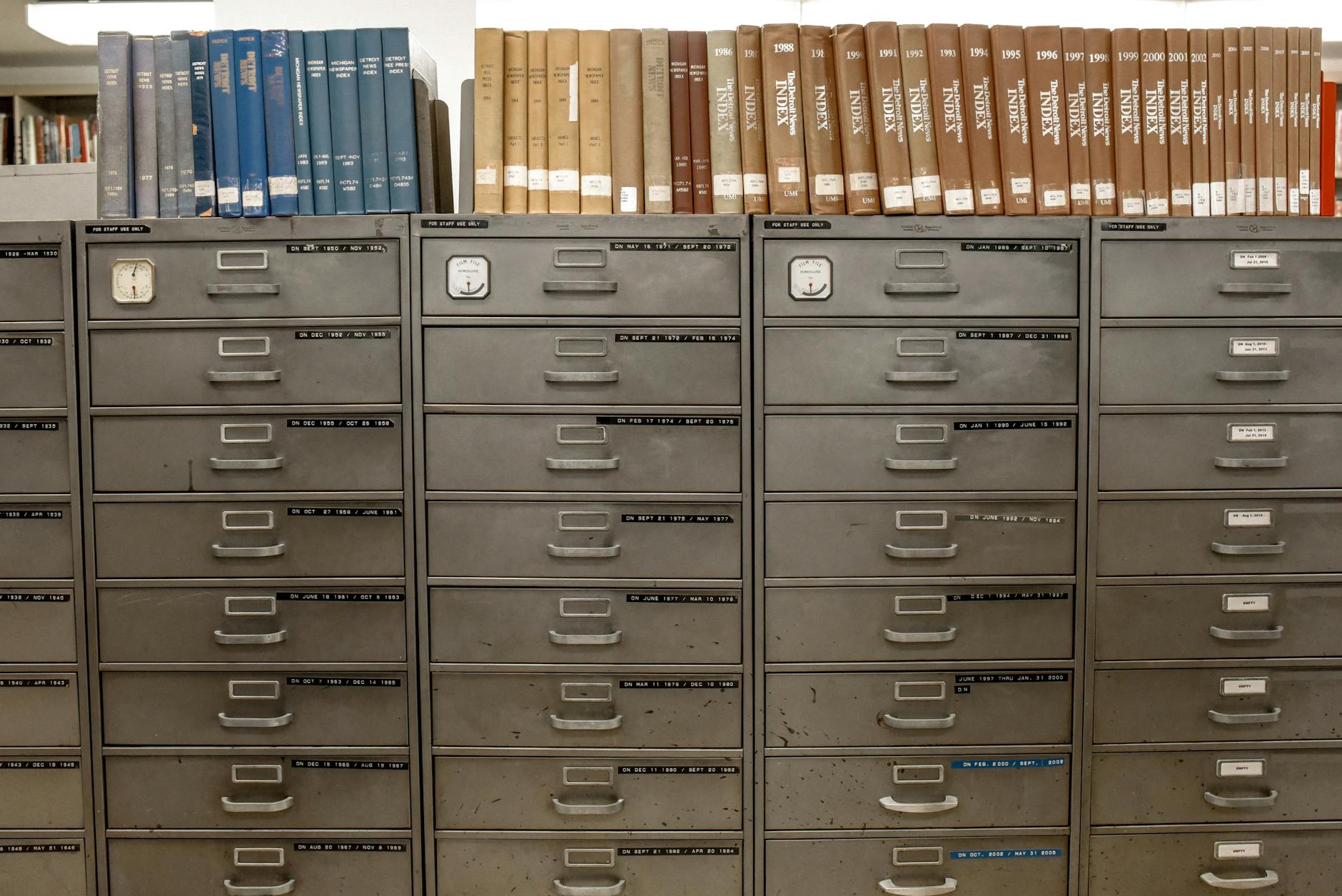
Bureau of Alcohol, Tobacco, Firearms and Explosives analysts at a facility in West Virginia search through millions of documents by hand every day to try to identify the provenance of guns used in crimes. Typically, the bureau takes around eight days to track a weapon, though for urgent traces that average falls to 24 hours…
In an era of high-tech evidence gathering, including location data and a trove of evidence from cell phones and other electronic devices used by shooting suspects, ATF agents have to search through paper records to find a gun’s history.
In some cases, those records have even been kept on microfiche or were held in shipping containers, sources told CNN, especially for some of the closed business records like in this case.
The outdated records-keeping system stems from congressional laws that prohibit the ATF from creating searchable digital records, in part because gun rights groups for years have fanned fears that the ATF could create a database of firearm owners and that it could eventually lead to confiscation.
But the urgent ATF trace Saturday proved indispensable in identifying the Pennsylvania shooter, giving authorities a key clue toward his identity in less than half an hour.
On one hand, searching through paper records could appear to be inefficient in the third decade of the twenty-first century. In today’s large-scale societies and systems, the ability to quickly search and retrieve digital records is essential in numerous social and economic sectors.
On the other hand, a large set of paper records is a reminder of the relatively recent shift humans have made to adjust to large populations, and in this case, specifically addressing crime. I recently read The Infernal Machine, a story about dynamite, anarchists at the turn of the twentieth century, and developing police efforts to address the threat of political violence. These changes included systems of records to identify suspects, such as having fingerprints or photos on file.
More broadly, the development of databases and filing systems helped people and institutions keep up with the data they wanted to collect and access. To do fairly basic things in our current world, from getting a driver’s license to voting to accessing health care, requires large databases.
 Legally Sociable