
Americans have large houses. But not every community wants a lot of really big houses:
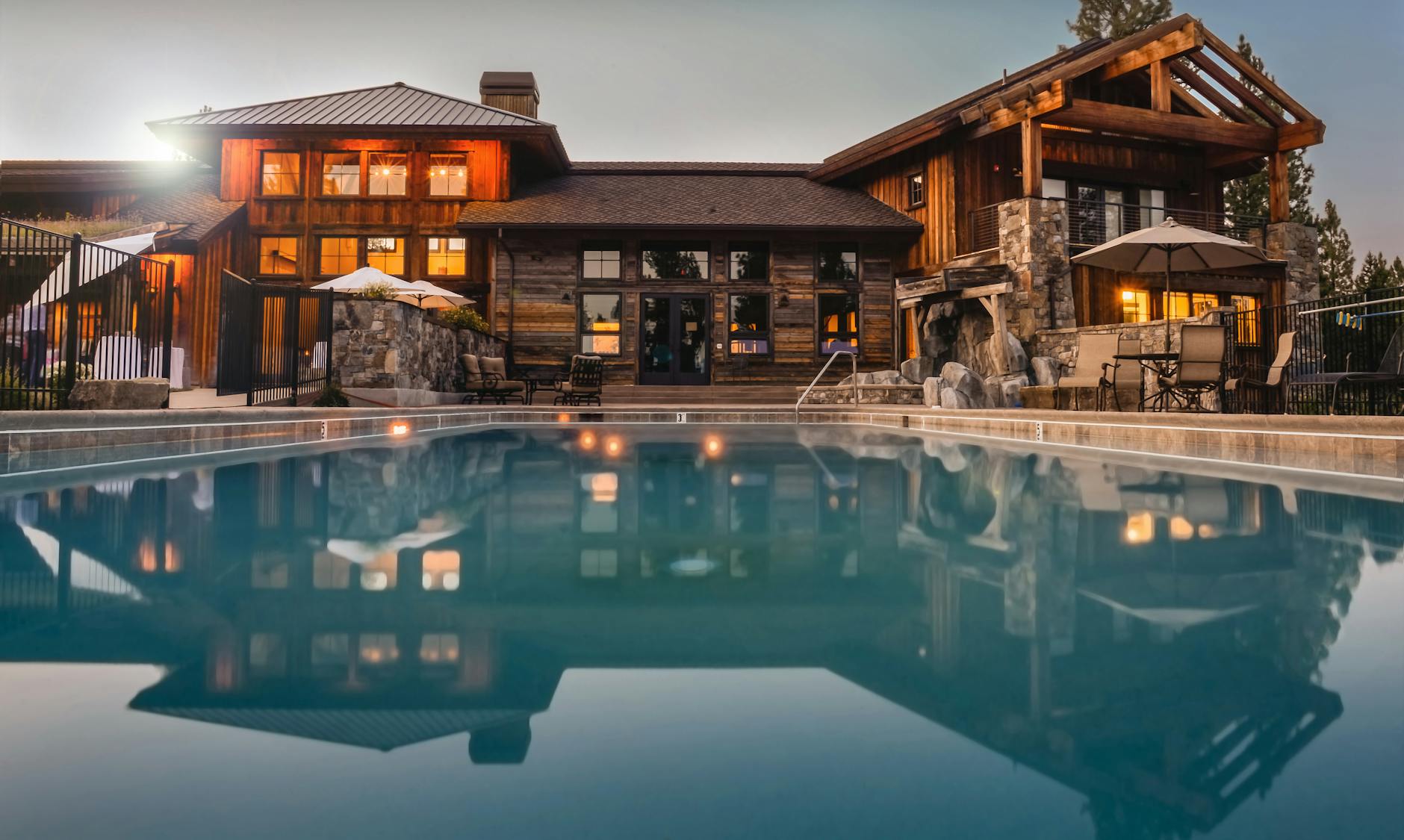
“How big is a house?” mused Jeremy Samuelson, planning director for East Hampton, N.Y., where a working group recently proposed slashing the town’s maximum-allowed house size in half, from 20,000 square feet to 10,000 square feet…
Towns from Aspen to Martha’s Vineyard are in a big-house brouhaha. Critics say mushrooming mansions cramp scenic vistas and local charm, consume excessive energy and inflate prices…
Truro capped new homes at 3,600 square feet in 2017, but then, Shedd says, officials stuck in an amendment allowing bigger builds with special permits. “I’m not saying it was done on the sly,” says Shedd. “Our town meetings drag on. I was probably glazed over.”…
Routt County, Colo.—home to Steamboat Ski Resort—adopted a proposal capping house sizes at 7,500 square feet in June. Debated for months, the hot-button issue packed public meetings…
In Pitkin County—home to Aspen—officials slashed the maximum new home from 15,000 to 9,250 square feet last November, noting that a big house raises “greenhouse gas emissions and increases environmental havoc.”
What strikes me about these discussions is something I first discovered when researching the use of the term McMansion: the size of a big house is relative in terms of size and quantity. In the case of McMansions, a 3,000 square foot new house might be normal in newer neighborhoods but it can be considered a monstrosity next to a 1,100 square foot postwar ranch house. Or is an 8,000 square foot home a McMansion or a mansion? Depends on who is considering the home and where it is located. Or one teardown McMansion might not be a big deal but dozens or hundreds over a decade or two might be considered going too far.
In the cases of these even larger homes, how big is too big or how many is too many? The discussions here do not appear to be taking place within communities where they are contemplating going from no big houses to some. They are considering whether to have no more big houses. Apparently there is some limit to be reached soon or no more might be allowed.
Will such moves push those who desire giant houses to other communities? Will they end up in municipalities just outside these jurisdictions? Are there other communities who would see this as an opportunity rather than a problem?
 Legally Sociable