
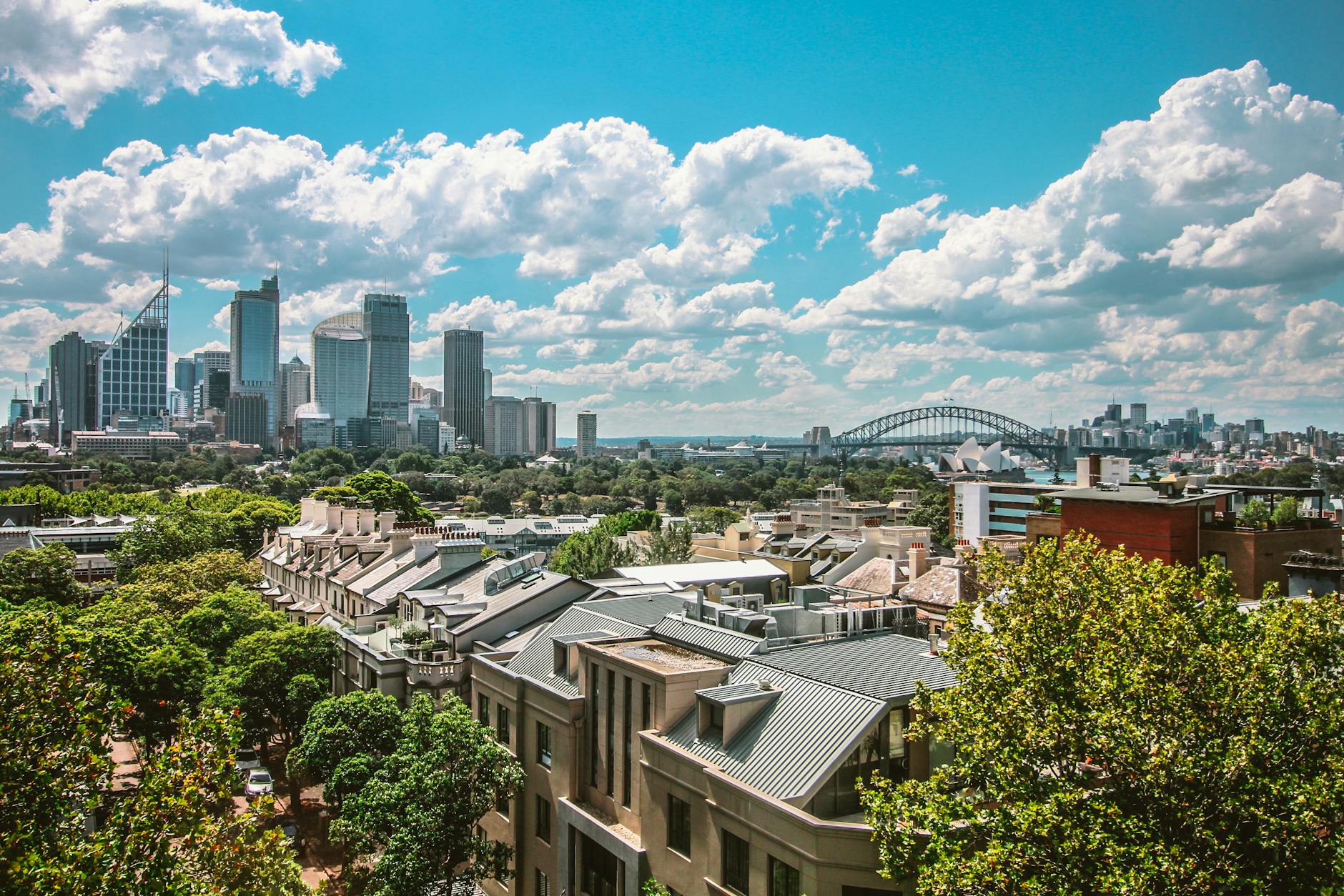
The research found two thirds of homeowners across the nation live in a house with an average size of 214 sqm, followed by New Zealand and the United States with a typical home 200 sqm in size…
Australia has an average household size of just 2.5 people, with nearly half of the population living in 2-3 person households, the figures found…
Nearly a quarter of Australian households consist of only one person, although that’s not as bad as Denmark, where almost 40 per cent of citizens live by themselves…
The data was collected from reports provided by World Population Review, Statista, Eurostat and official census data.
This has some parallels to the United States where more people are living alone and houses are large.
Are there causal effects between these two statistics? Do people today generally want more individual living space? Does having a larger house lead to having a smaller household? Or are these two social features produced by separate factors?
One other interesting feature of this article: large houses are called McMansions. The opening line of the story:
It’s official: Australia is the king of the McMansion.
I would argue not all large houses are McMansions. For example, a 2,500 square foot home in the United States is likely not a McMansion (though it could be due to its architectural features or it is a tearown next to smaller homes). A 10,000 square foot home is probably too big to be a McMansion. Using McMansion as shorthand for large houses in general obscures the different kinds of big houses and how they interact with neighborhoods and communities.
 Legally Sociable