
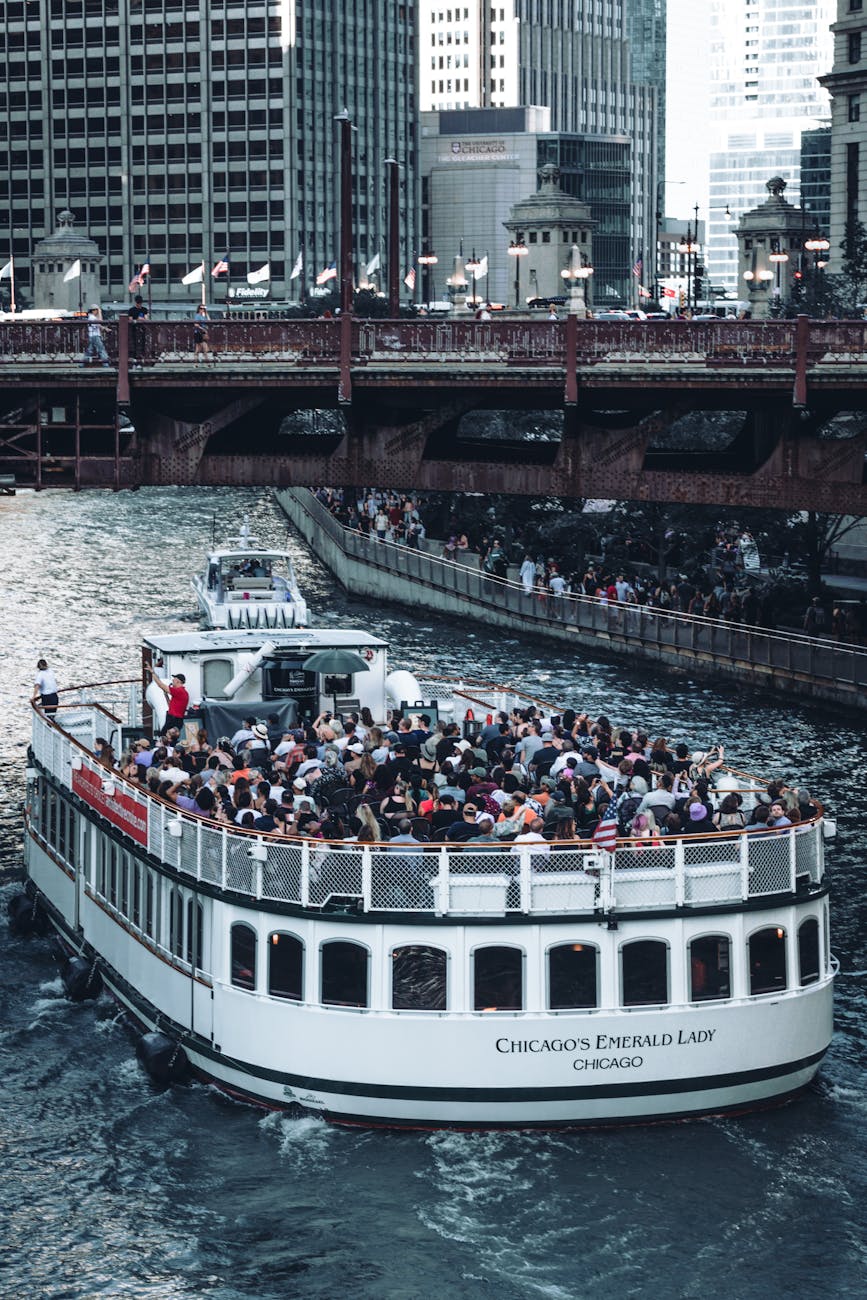
Lots of things happen in big cities. Some stories are stranger or more influential than others. But how might one story get commemorated for years? Which cultural narratives last? One non-profit leader described this particular story:
“The incident is woven into the city’s pop culture fabric, and the anniversary seemed like an opportunity to emphasize that the world has to protect our natural resources, but it didn’t work out,” Frisbie said of the effort.
The article on the 20th anniversary provides some hints on how this story caught on and continues to be told. To go beyond a story that the people involved tell over and over, some help is needed:
-Famous people involved. The music group was well-known with multiple #1 platinum albums under their belt. This was not a random tour bus.
-Criminal charges and a court case. This involves different public bodies and can keep a story in the news.
-The media. A strange but true story – bathroom matters! a famous band! charges! – is a good one to get attention. And can we expect stories on the 25th anniversary, the 30th, and so on?
I am sure it would be hard to measure but it would be interesting to look at how this story stacks up against other stories in the city of Chicago. Which ones stand the test of time? Does this one make it into “official” lore (books, museums, memorials, etc.)? What is the half-life of pop culture stories in Chicago?
 Legally Sociable