
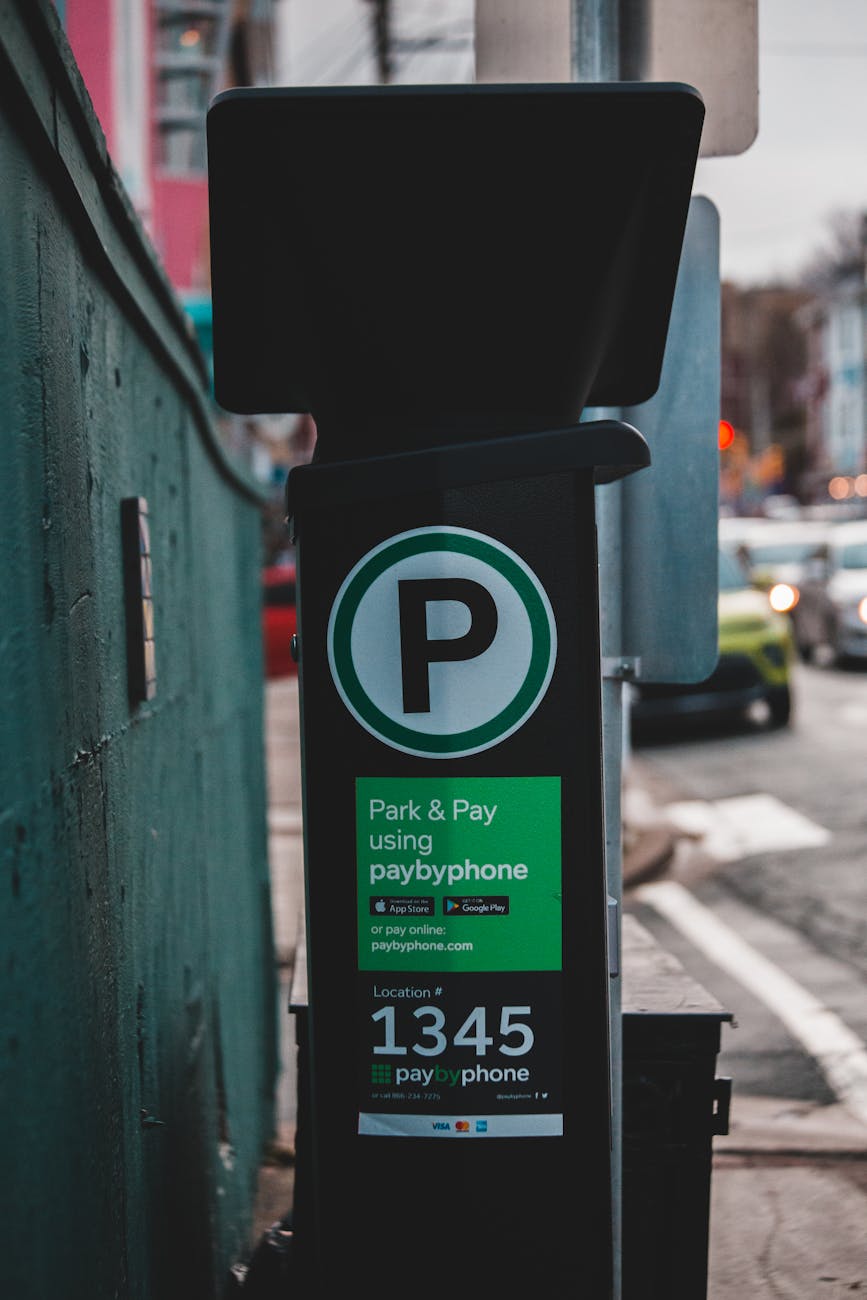
In 2008, then-Mayor Richard M. Daley, with the approval of poodles on the City Council who failed to do due diligence, agreed to sell a 75-year lease on 36,000 parking meter spots for $1.16 billion to an entity that calls itself Chicago Parking Meters LLC and is made up of various parties including Morgan Stanley-related entities and, indirectly and also among others, the sovereign wealth fund known as the Abu Dhabi Investment Authority.
Daley also agreed to a whole series of tightwad rules that handcuffed the city when it came to removing meters for, say, special events such as outdoor dining, changing the hours of paid parking, or making any other changes that might result in less revenue for Chciago Parking Meters. In each and every case, Chicago has had to lay out more cash.
Why did Daley make this colossal error? He wanted to close a budget shortfall and thought that a private company could more easily jack up rates than an elected official likely to anger voters. And he probably believed that $1.16 billion sounded like a whole lot of money.
Wrong. Former Mayor Lori Lightfoot once told this board that the decision was one of the worst public policy mistakes in the history of municipal governance and she was absolutely correct. The investors, if that’s the right term, have recouped that amount within the first 10 years of that 75-year lease. They’ve now made hundreds of million dollars in additional profit. By the end of this deal, they are likely to have raked in a total of $9 billion.
Urban parking can be a lucrative business, whether working with parking meters or having a parking lot or garage that later becomes a huge development project. Thus, imagine the money the city could have generated by treating the parking meters differently.
This reminds me of at least two bigger picture issues. First, infrastructure and public goods require a long-term view. In the short-term, selling the revenues from these meters may have helped close a budget loophole. However, lots of things can change over 75 years. Will the city need or want parking meters at that point? How much driving will there be? Would a shorter deal leave more flexibility?
Second, Chicago has relied on some public-private partnerships for decades to help keep the city moving forward. While this deal might not appear to be a good one for the city, other projects may appear to be good. How many projects have worked out well? Does the participation of the city or the use of the city’s resources make certain things possible?
I am guessing this deal will serve as an example for years to come. Hopefully some lessons are learned that could lead to some good.
 Legally Sociable