
There is an update on a case of zoning conflict in Naperville regarding a proposed mosque (see a 2019 journal article here and two blog posts here and here):
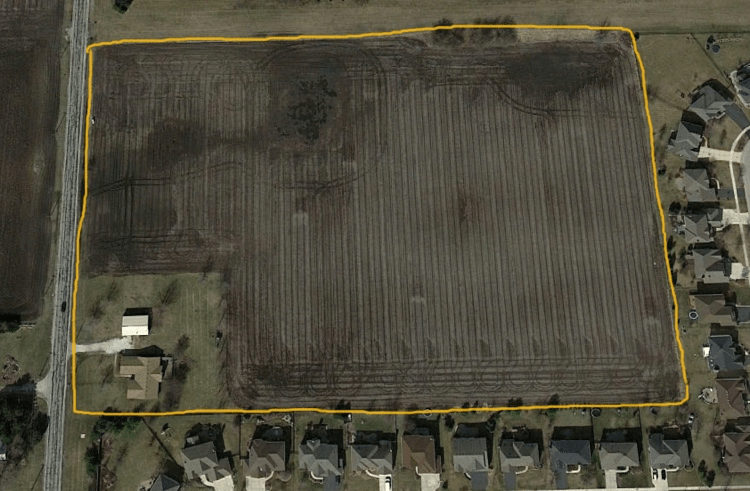
Nearly two years after breaking ground, the first phase of the Islamic Center of Naperville’s mosque complex on 248th Avenue is nearly complete.
Phase one work — the construction of a 28,400-square-foot mosque — is set to finish in October, according to Islamic Center President Anees Rahman. As of mid-August, Rahman estimated the mosque was about 90% to 95% complete…
It took 15 meetings held over nine months for the proposed complex to receive a positive recommendation in October 2021 from the city’s Planning and Zoning Commission. The Naperville City Council unanimously OK’d the venture a month later — with a slate of restrictions.
Those included conditions aimed at addressing traffic, parking, fire safety and noise concerns raised by neighboring residents. As part of the approved plans, ICN agreed it would not proceed past phase two — a 41,749-square-foot school — until improvements to 248th Avenue are complete…
With traffic projections estimating the road will average 18,000 vehicles daily by 2050, the city is planning to widen 248th Avenue to five lanes between 95th and 103rd streets and to add storm sewers, curbs, gutters, street lighting, sidewalks and noise walls.
This sounds like a good outcome for the group and its members as the building will open soon. This provides space for worship and fellowship.
At the same time, this was a long process with a lot of public involvement. The property was originally owned by a church who did not build a church building on it. When it was sold to the Islamic Center of Naperville and they put forward plans, neighbors and others responded.
Given what I found in two studies (see more about the second one involving the New York City area) regarding local zoning conflict and religious buildings, proposals from Muslim groups receive more scrutiny. This particular building is almost complete but what are the consequences of longer processes and more questions compared to what others face?
 Legally Sociable