
The big city in the United States is dense. It has tall buildings and busy streets. There are plenty of apartments and mixed-use structures. They look and feel different than suburbs, small towns, and rural areas.
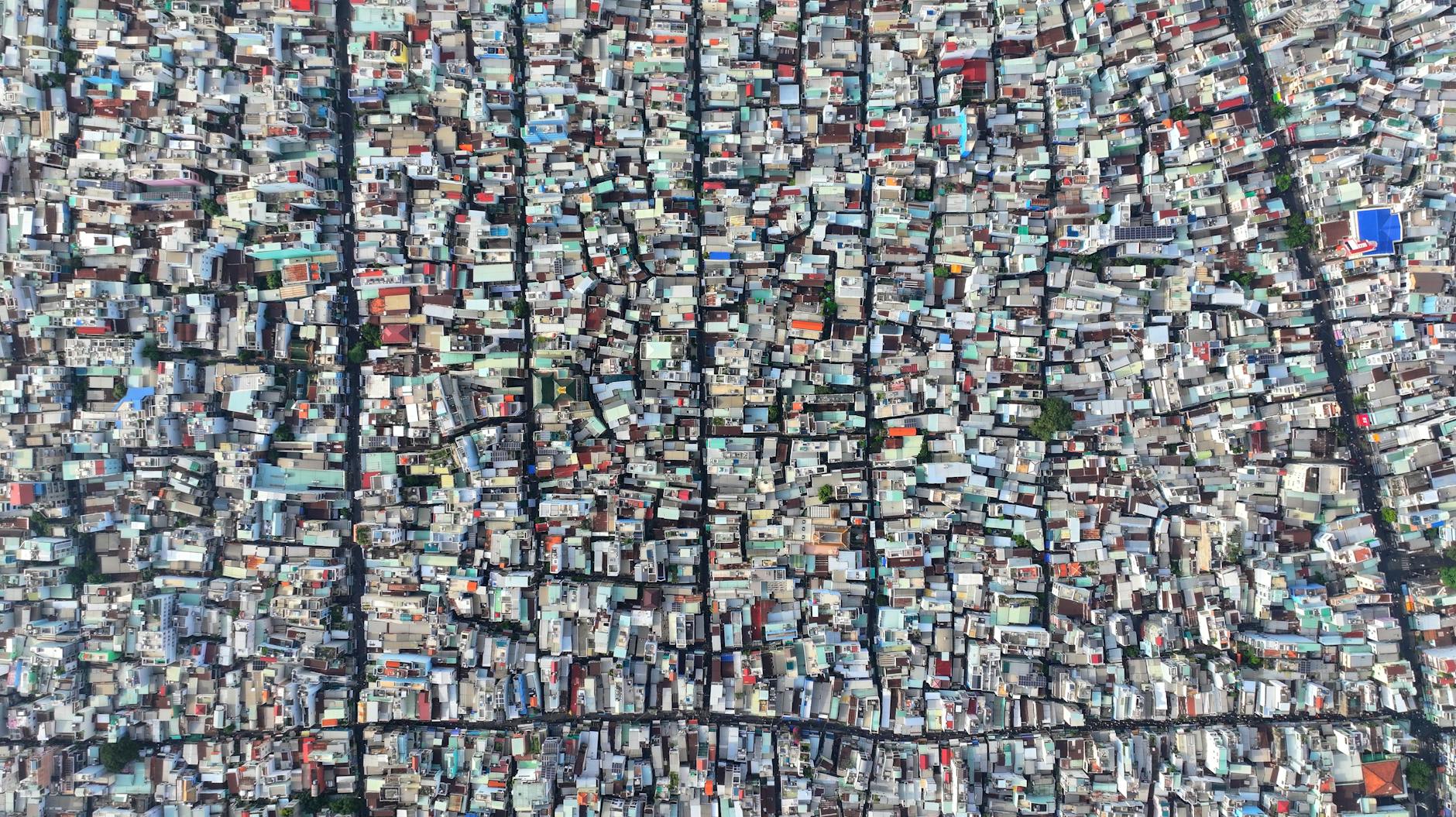
But even American cities have lots of single-family homes. Chicago, for example, has a lot of land devoted to single-family homes:
More than 40% of the city is zoned for single-family housing…
This figure might even be higher in other cities, particularly sprawling ones.
What might this figure mean? Some thoughts:
- Denser populations can fit into less space. But the amount of space given to one kind of land use, homes in this case, still matters.
- These neighborhoods and residents are going to get at least some attention and representation. Their interests might converge and diverge in important ways from interests of other locations and residents in big cities.
- This fits with an American emphasis on single-family homes, even if these homes happen to be in cities.
- Suburbs are in between cities and more rural areas. Are city neighborhoods of single-family homes often in between denser populations and suburbs? Do these city places feel more like suburbs or like life in different densities in the big city?
Another way to think about this percentage: even the places that Americans tend not to associate with houses and the lives that go with them have lots. of single-family homes.
 Legally Sociable