
At least a few suburbs in the Chicago area and outside cities throughout the United States owe their founding to early railroad lines that provided quick access to the bi city and other points beyond. So when a large steam locomotive passed along the same suburban tracks in 2024, at least a few people took note:
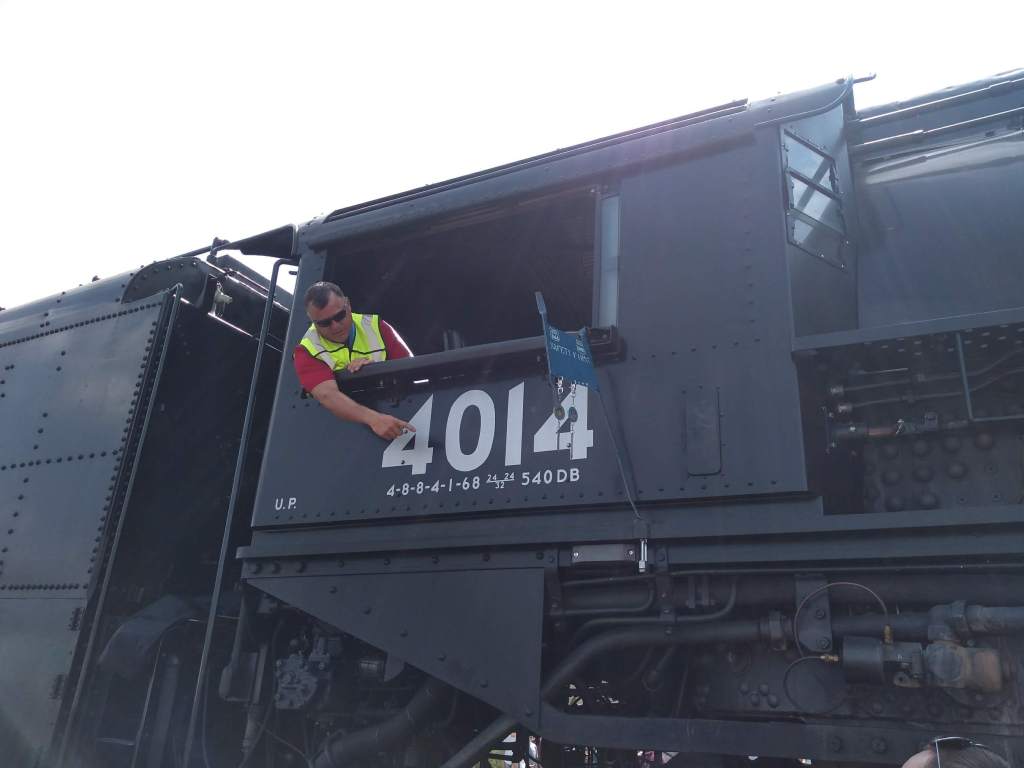
With a shiny yellow-and-gray streamlined passenger train in tow, the Union Pacific “Big Boy” No. 4014 steam locomotive rolled through the western suburbs Monday morning to the delight of railroad enthusiasts and casual observers alike.
Roughly two hundred years ago, steam locomotives opened up all kinds of possibilities. One opportunity involved the possibility of larger and further-flung suburbs: a resident outside could travel quickly in and out of the big city. It no longer took a day or more to use horses or a carriage. No more need to travel a long distance over poor roads. Large amounts of freight could be shipped overland from the interior to big cities.
The early railroad lines tended to connect important cities and locations to each other. Along these lines, residents gathered near stations. Lots were developed. Businesses moved there. Churches opened. Houses were built. Communities grew. Regular train service emerged.
Eventually, these railroad lines were dwarfed in importance by cars, trucks, roads, and highways. Many of the lines still exist but more people drive. Much suburban development since World War Two has happened between railroad lines as cars offered access to more land.
Amid the regular clatter of passenger and freight trains through suburbia, an occasional steam locomotive with a loud whistle and billowing smoke provides a reminder of an older era. Yet, that older era helped give rise to the automobile dominated suburbia of today.
 Legally Sociable