
This quote from the end of historian Becky Nicolaides’ new book The New Suburbia: How Diversity Remade Suburban Life in Los Angeles after 1945 is worth noting:
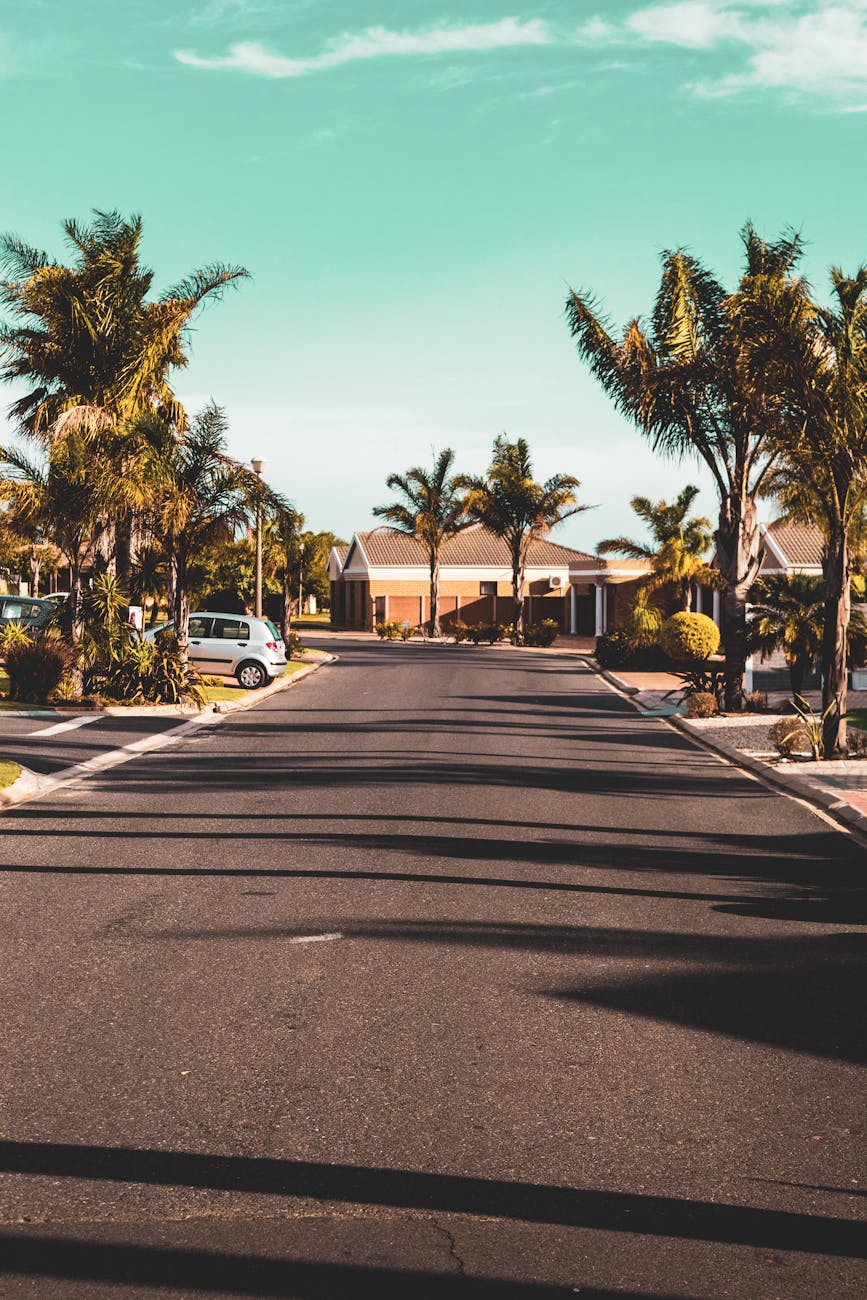
The new suburbia emerged as a crucial site where people of different backgrounds, races, classes, and identities coexisted as neighbors, where people were trying to figure out how to live together in difference.
Building on decades of ideology, policy, and patterns in social relations, the American suburbs that grew quickly immediately after World War Two were often single-family home communities with white and middle-class and above residents. But as suburbs changed, particularly in more recent decades, they have become a different landscape. They are more diverse in terms of race and ethnicity and social class. They include numerous immigrants. They can contain different kinds of housing. Suburbanites live in a variety of communities distributed across a metropolitan landscape. Los Angeles is a good place to see these changes in action but this has happened in numerous metropolitan areas across the United States. All of this has led to a more complex suburbia.
Given the quote above, I also wonder if suburbs then can end up being places where Americans do “figure out how to live in difference.” Suburban history is full of examples of exclusion by race and social class. Do suburbanites on a whole today work together to address issues they all care about? Are the suburbs as a whole welcoming places? Can local tensions be resolved effectively? What places and/or groups can help bridge differences in suburbs? Or are suburbs a patchwork of exclusion and different kinds of development that holds together under the place category of suburbs?
 Legally Sociable