
Wildfires threaten communities and homes fairly regularly in the United States. How often are these wildfires in suburban communities? Here is a current example outside of Los Angeles:
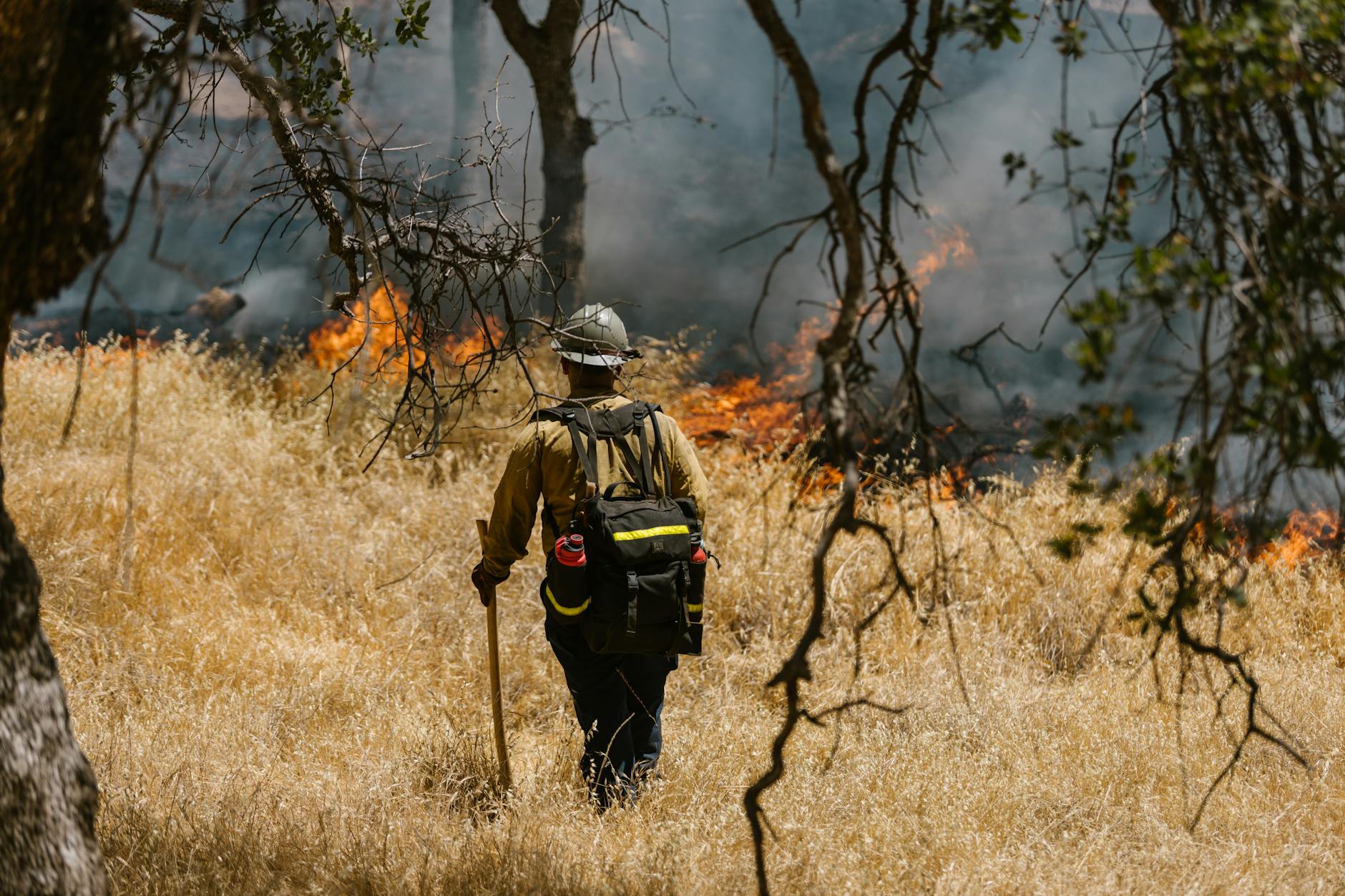
Driven by triple-digit heat, gusting winds and tinder-dry vegetation, the three fires burned at speeds firefighters have never witnessed, scorching over 110,000 acres (44,510 hectares) – an area twice the size of Seattle.
The Bridge Fire, California’s largest current wildfire, swept through communities in the San Gabriel Mountains less than 40 miles (65 km) northeast of central Los Angeles, where people priced out of the city have built homes…
Southeast of Los Angeles, the Airport Fire has destroyed homes in the Elsinore Mountains and injured at least 10 people…
“The Airport Fire remains a significant threat to Orange County and Riverside County communities,” emergency agencies said in a statement.
One way to think about this is that metropolitan areas keep spreading outward. This provides more space for fire to threaten and more interaction with space and land less developed.
A second way to address this is to consider how suburban development – housing, roads, land uses, etc. – can encourage or discourage wildfires starting and spreading. Do yards and the ways homes are built contribute to wildfires? Does the design of American suburbs as we know them help fires spread?
Could this also be addressed in terms of financial trade-offs? Some might move to further-flung suburbs or new subdivisions on the edges because housing prices are cheaper. But how much cheaper is it if there are increased threats of wildfires?
It is one thing for wildfires to be in places with few residents and another if they are regularly occurring in suburbs and close to population centers.
 Legally Sociable