
As I do some final planning for courses this semester, I was reminded of the scaffolded final assignments I now have in each class. These involve having multiple steps that contribute to a final product, usually a research paper, at the end of the semester. At each point, students work on a portion of what will be the final product and receive feedback. I have generally found this helps lead to better final projects and more learning over the course of the semester compared to having a big assignment due at the end with little preparation or feedback beforehand.
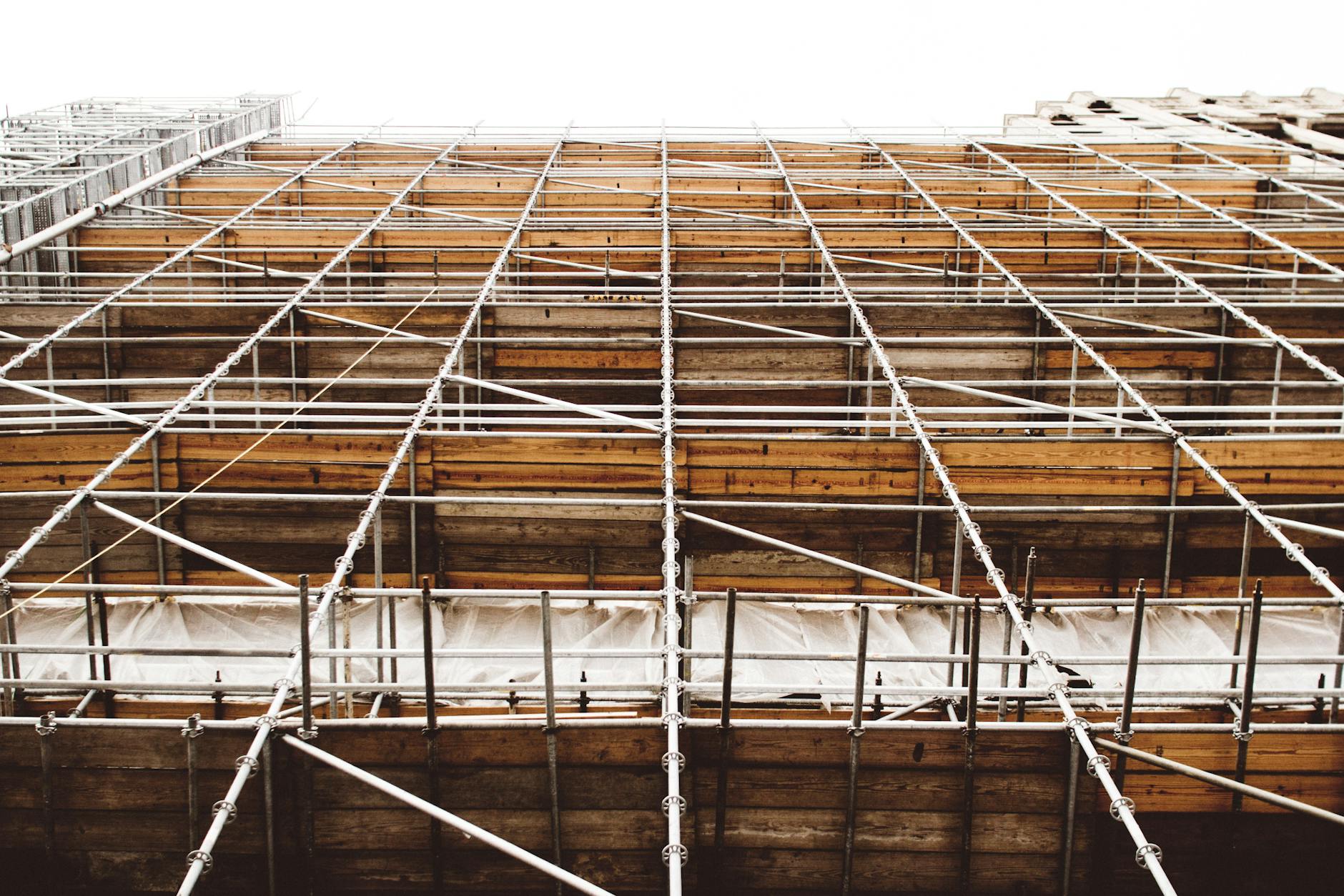
But this is not just for school assignments. This is often helpful for getting tasks done. People might go about this in different ways. Imagine doing a little of a task each day – such as cleaning one level of a house – and it adds up to being done. Or working hard on something for a set amount of time and then taking a short break before going back to the task. Or putting in practice time each day and it adding up to more in the long run. Indeed, how often do we set out to accomplish something that goes beyond a simple task and get it all done in one sitting? It may be possible – but scaffolding often helps.
What if one important skill to be learned here is how to learn how to break complex tasks into manageable steps over time? Being able to consider a task, see how it can be effectively subdivided, finding the time to do those parts, reflecting on the progress after each part is completed, and then putting it all together into a final product. A classroom can provide an opportunity to practice this with some guidance.
 Legally Sociable