
Maps document human interpretations of physical and spatial features:
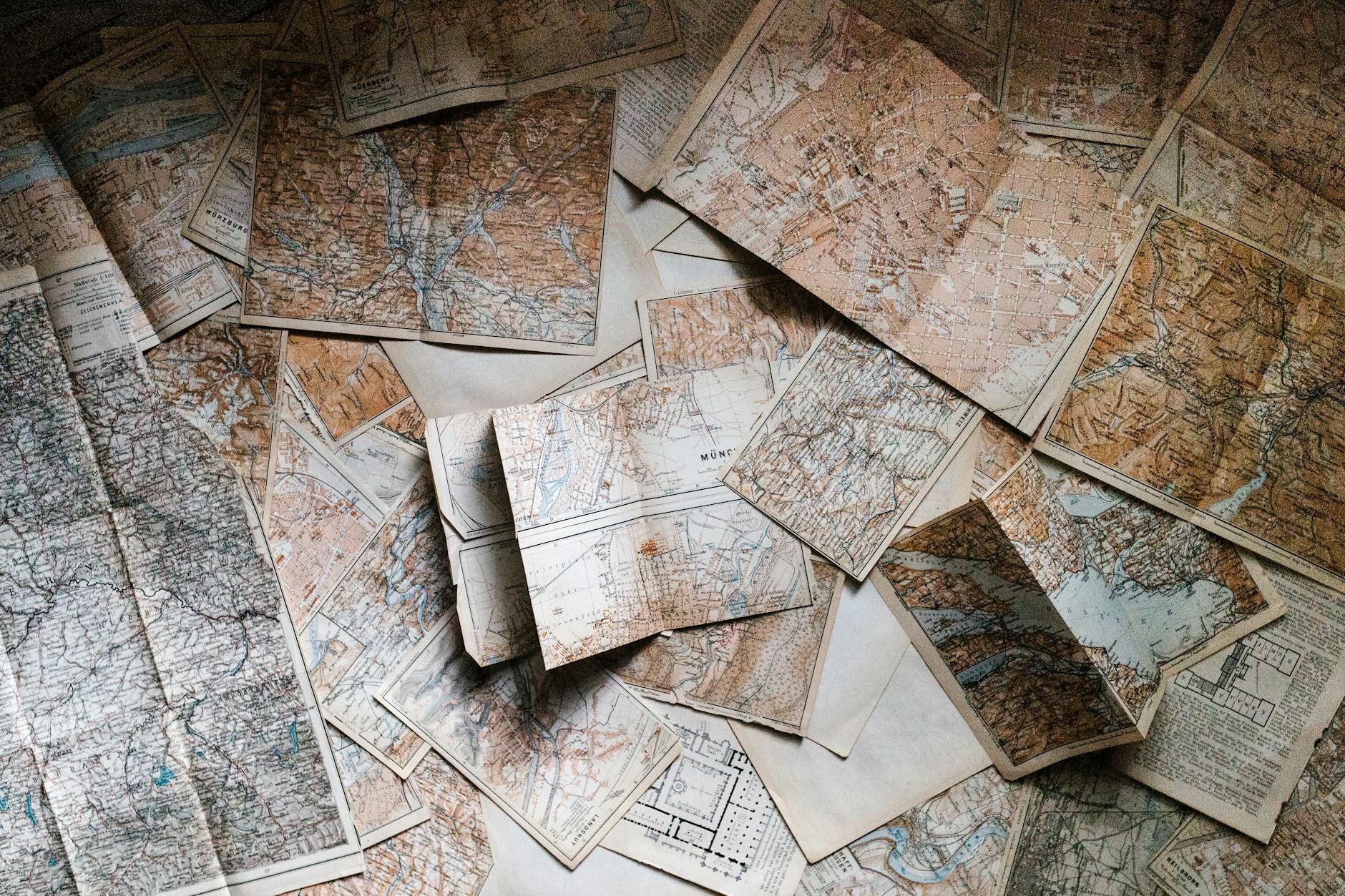
Map lines are inherently political. After all, they’re representations of the places that are important to human beings — and those priorities can be delicate and contentious, even more so in a globalized world where multiple nations often share the same maps.
Numerous examples follow:
The water bordered by the Southern United States, Mexico and Cuba will be critical to shipping lanes and vacationers whether it’s called the Gulf of Mexico, as it has been for four centuries, or the Gulf of America, as President Donald Trump ordered this week. North America’s highest mountain peak will still loom above Alaska whether it’s called Denali, as ordered by former President Barack Obama in 2015, or changed back to Mt. McKinley as Trump also decreed…
The Persian Gulf has been widely known by that name since the 16th century, although usage of “Gulf” and “Arabian Gulf” is dominant in many countries in the Middle East. The government of Iran — formerly Persia — threatened to sue Google in 2012 over the company’s decision not to label the body of water at all on its maps. Many Arab countries don’t recognize Israel and instead call it Palestine. And in many official releases, Israel calls the occupied West Bank by its biblical name, “Judea and Samaria.”…
The Associated Press, which disseminates news around the world to multiple audiences, will refer to the Gulf of Mexico by its original name while acknowledging the name Gulf of America. AP will, however, use the name Mount McKinley instead of Denali; the area lies solely in the United States and as president, Trump has the authority to change federal geographical names within the country.
Humans make meaning of the world around them and maps capture some of that meaning. And because meaning is sometimes agreed upon and sometimes contested, maps reflect these realities.
What are innovative ways to include multiple names or meanings on a map? Or layer changes in a map over time? I have seen some interesting displays online that attempt to do this. How can maps be more dynamic and flexible?
 Legally Sociable