
Many Americans want to own a home. That purchase also opens up the door to other purchases:
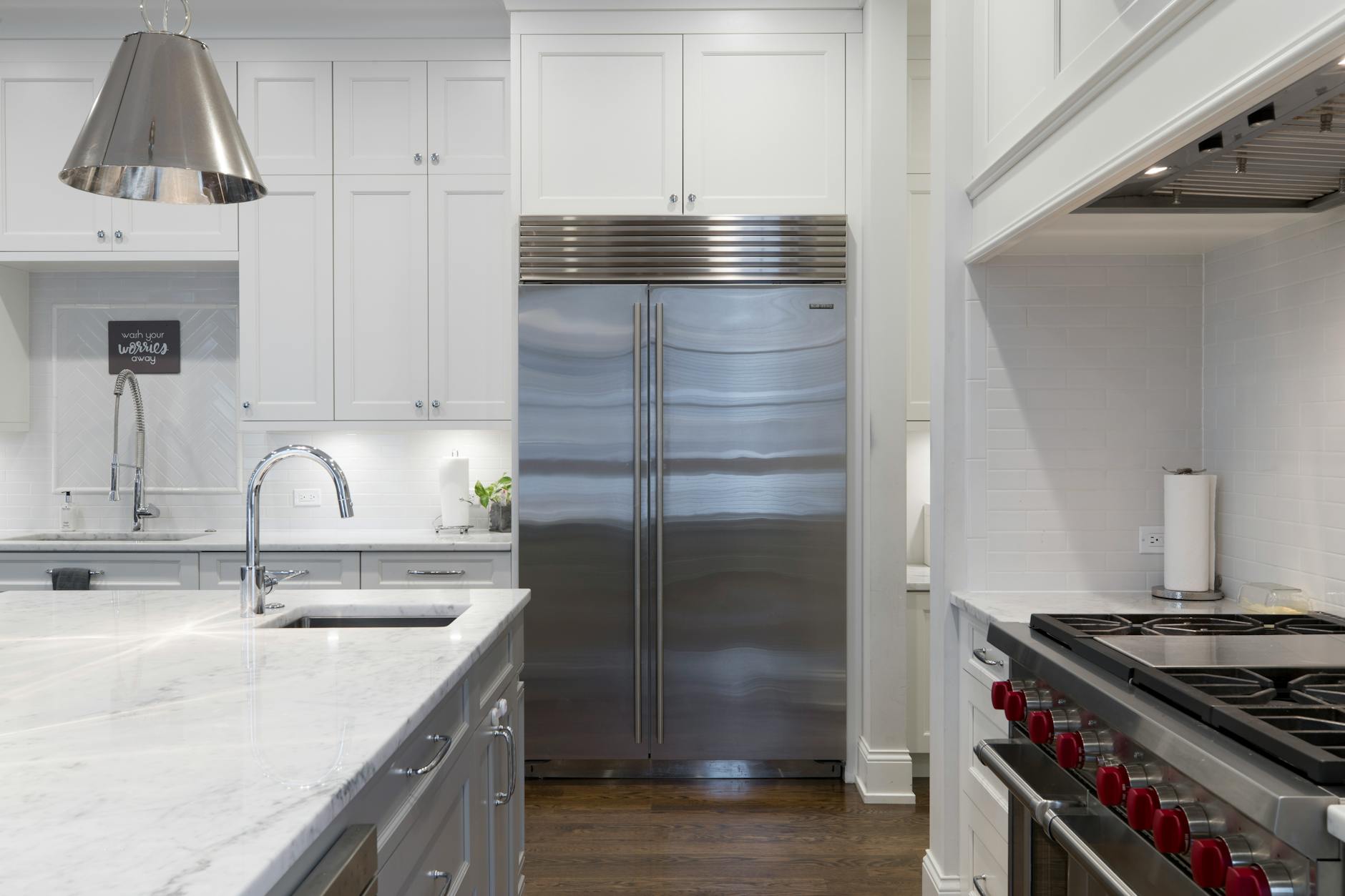
The more vulnerable sectors include hobbies and crafts retailers, as well as middle-market apparel sellers, said Brandon Svec, head of U.S. retail analytics at CoStar Group. Home goods stores also face challenges, Svec said, because a sluggish housing market decreases consumer demand for refrigerators, couches and large TVs. And high interest rates are dissuading lower-income consumers from making big-ticket purchases on their credit cards, Cohen said.
This can help explain some of the encouragement businesses offered for homeownership throughout the twentieth century. There is money to be made in the development and sale of houses but there is also money to be made in all the goods people think the house should have. Residents need to have particular items in their kitchens, living rooms, dining rooms (maybe not as much now), bedrooms, yards, and so on. If fewer houses are sold, fewer people will buy items for their new spaces.
On the homebuyer side, this sometimes shows up in advice about financing a purchase. Yes, there is money to be delivered at purchase in the down payment and regular mortgage and tax payments. But do people also budget for changes they want to make? This could include certain consumer goods or broader renovation projects.
I wonder how much of these particular items listed – refrigerators, couches, and large TVs – are purchased because of moving. All of these items could break at some point. Or a person might want to upgrade what they have. How many consumer goods are bought just due to moving?
 Legally Sociable