
Life in the United States may be marked by many things, including the consumption of peanut butter:
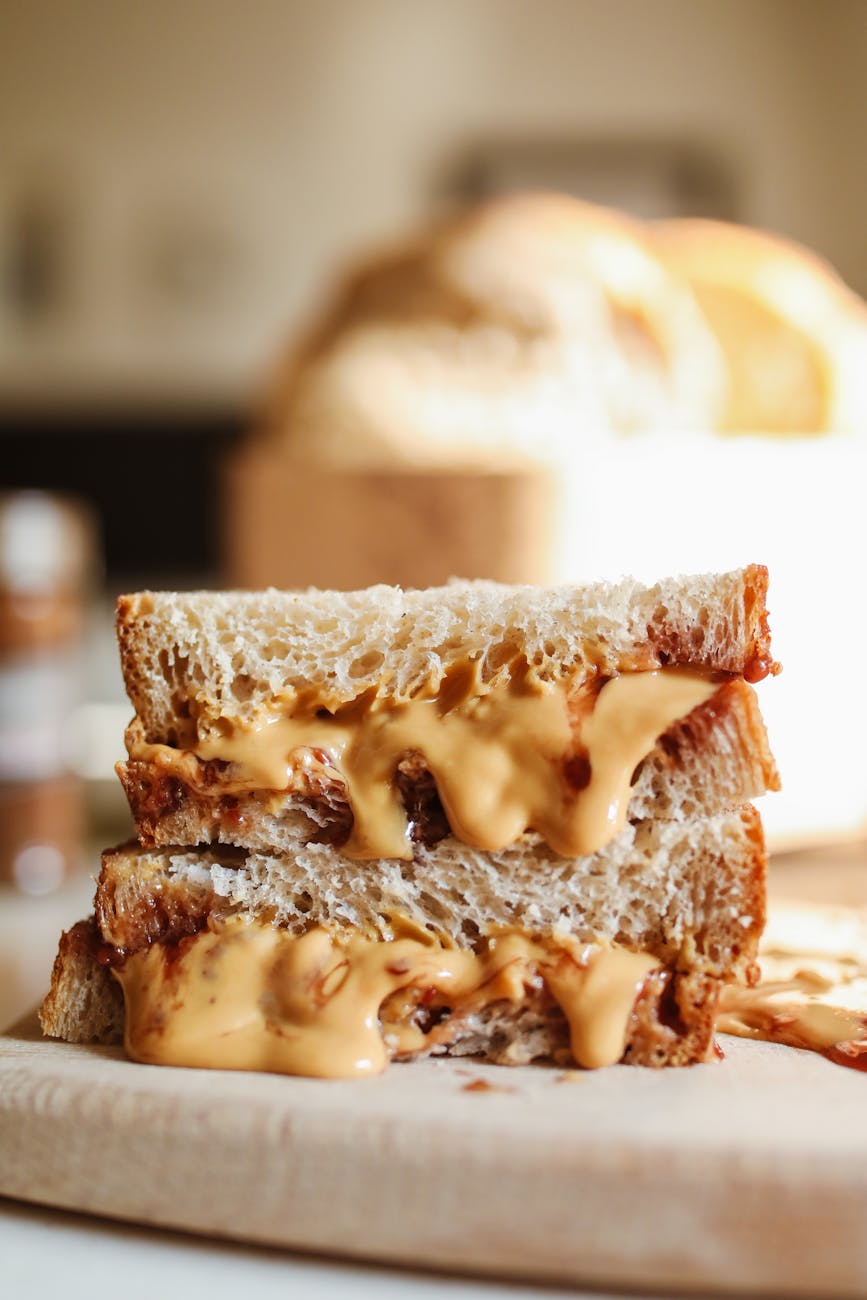
The only invention that did more than hydrogenation to cement peanut butter in the hearts (and mouths) of America’s youth was sliced bread—introduced by a St. Louis baker in the late 1920s—which made it easy for kids to construct their own PB&Js. (In this century, the average American kid eats some 1,500 peanut butter and jelly sandwiches before graduating from high school.)
Rosefield went on to found Skippy, which debuted crunchy peanut butter and wide-mouth jars in the 1930s. In World War II, tins of (hydrogenated) Skippy were shipped with service members overseas, while the return of meat rationing at home again led civilians to peanut butter. Even today, when American expats are looking for a peanut butter fix, they often seek out military bases: They’re guaranteed to stock it.
But while peanut butter’s popularity abroad is growing—in 2020, peanut butter sales in the United Kingdom overtook sales of the Brits’ beloved jam—enjoying the spread is still largely an American quirk. “People say to me all the time, ‘When did you know that you had fully become an American?’” Ana Navarro, a Nicaraguan-born political commentator, told NPR in 2017. “And I say, ‘The day I realized I loved peanut butter.’”
Though the United States lags behind China and India in peanut harvest, Americans still eat far more of the spread than the people in any other country: It’s a gooey taste of nostalgia, for childhood and for American history. “What’s more sacred than peanut butter?” Iowa Senator Tom Harkin asked in 2009, after a salmonella outbreak was traced back to tainted jars. By 2020, when Skippy and Jif released their latest peanut butter innovation—squeezable tubes—nearly 90 percent of American households reported consuming peanut butter.
How many lists of American food would include peanut butter?
How many images of American life would include peanut butter in them?
Or what would Americans replace peanut butter with if it was gone?
How does the number of PB&Js kids eat compare to other kinds of sandwiches they eat?
And why do so many seem to like Uncrustables?
 Legally Sociable