
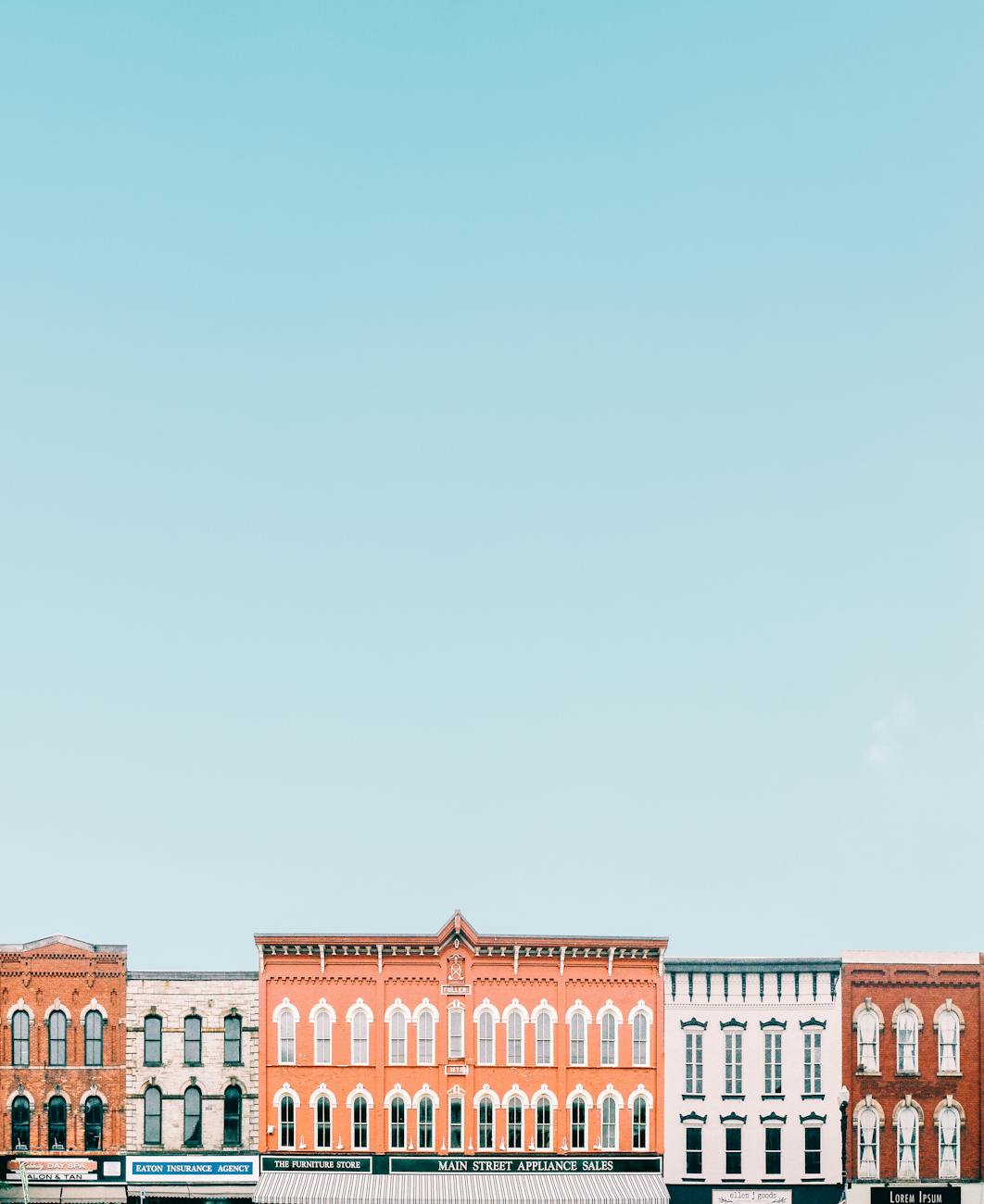
The town thus becomes representative of people like her, it’s merely a hollow imitation of the place they aspire to be in, but comes nowhere close.
The critique of the suburbs means that the suburbs are not what they say they are, that the American Dream of single-family home ownership, middle-class life, and success is more illusion than reality.
I have also heard this critique applied to retail spaces, Disney World, and resorts. They project one image but they are not what they seem. They are real places – you can walk around, you can buy things, etc. – but not real at the same time. They lack authenticity. (This might imply there are places that are authentic, not imitations. They are what they are. This is another matter.)
Are there suburbs that are real places, where the facade is not a facade, that feel like what they actually are? Or suburbs that are honest about the challenges they face alongside the possibilities they might offer? How accurate is the narrative that the American suburbs are inauthentic or is this more prevalent in cultural works?
 Legally Sociable