
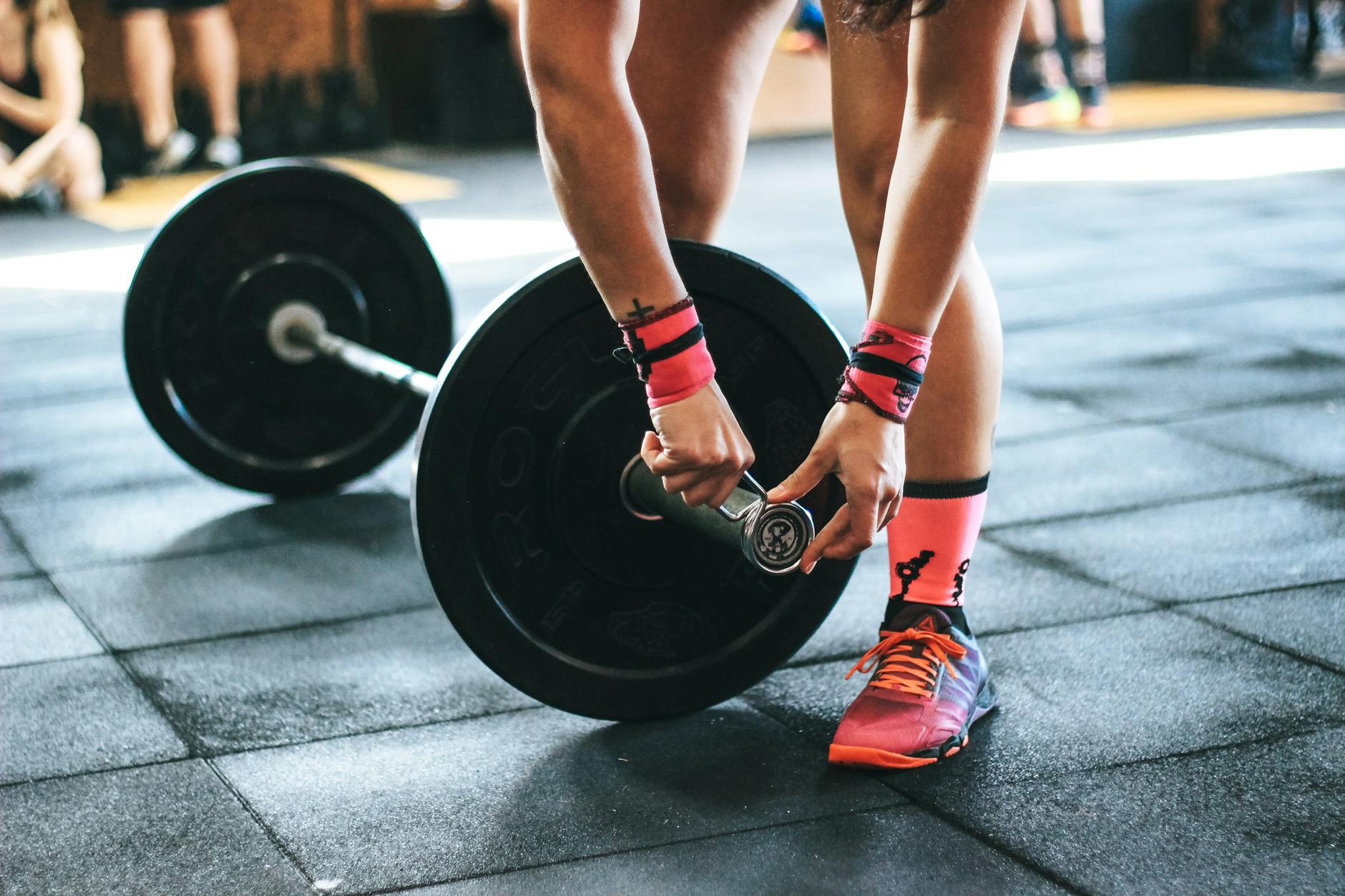
The message from Americans is simple: Jogging on a treadmill or sweating over a stationary bike in a room full of strangers is out; moving heavy objects is in. But, in a twist, it’s not muscle-bound men who are changing America’s workouts. It’s women and older Americans who’ve made gyms prioritize strength training. “More older people, more women, more young people, even, are lifting weights than ever before,” says fitness author and influencer Casey Johnston. “When I started lifting, there was still a lot of apprehension around it in terms of ‘it’s really macho, it’s too intense for most people.’”…
The current fixation is being triggered largely by social media. If the treadmill is dying, internet influencers are the killers. Open most apps, and the message is clear. For men, bulging biceps and broad shoulders. For women, toned arms and sculpted glutes. “Swole” is the marker of peak physical health…
The increasing number of women and older people getting into weightlifting has been a striking cultural change. Wiedenbach, the New York gym owner, recalls that gyms were more gender-segregated in the early 2000s. “Back then it was very much split: There were treadmills—those were for girls—and there were weights, and those were for guys. And never the two groups would meet,” he says. In those days women made up just 10% of his clientele; now it’s closer to 40%.
Older Americans are hitting the weight room more often too. “Everybody talks about longevity now, and having strength and having muscle mass is a key indicator in longevity,” says Noam Tamir, founder and CEO of TS Fitness, which offers small workout classes in Manhattan.
This highlights broad shifts across a lot of locations. What does this mean for:
- The day to day experience of gym-goers. How much has this changed users’ sense of their workouts? Their interactions? Their willingness to stick with that gym or change facilities?
- How spaces within the gym are constructed. It is one thing to swap out one set of equipment for another; how else (if at all) have the spaces changed?
- Have broader conceptions of gyms and who goes there changed? It might now be a different experience (see #1) but it could take a while for the general public to catch up with this. Where might people learn about gyms?
- Do these changes mean more people will exercise? Are gyms now regarded as more inclusive or welcoming or are there barriers to learning about using weights?
 Legally Sociable