
Coyotes also want to live in the suburbs:
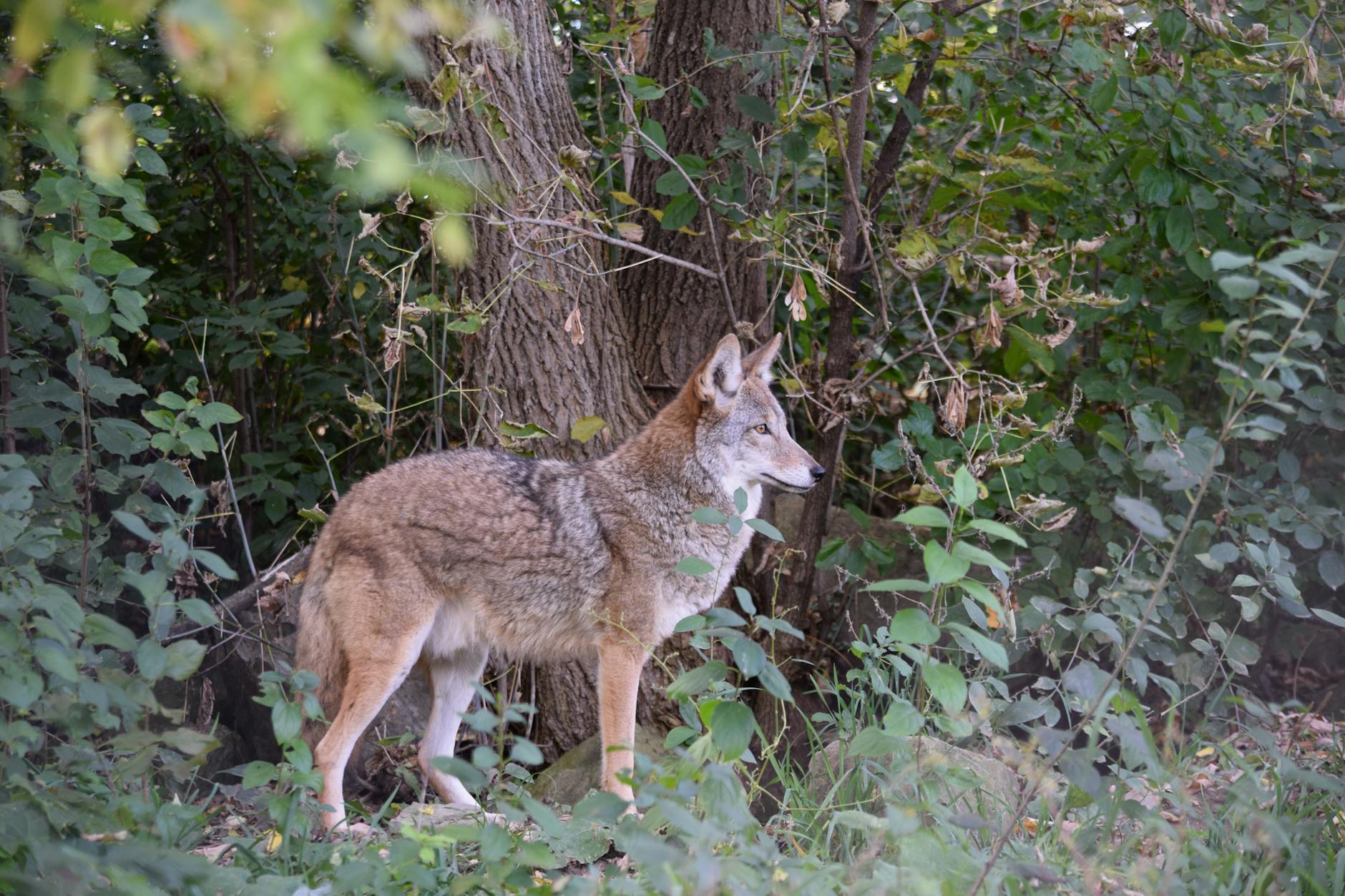
The suburban coyote populations are growing rapidly which means there will likely be more interaction with people but both Erickson and Ramono say it’s not really the coyotes’ faults.
“We invited them when we built all these suburbs,” Erickson said. “We said, ‘Hey, there’s more food here. There’s more habitat here.’ We invited these animals in here.”
They say when we experience mild winters three to four years in a row, the population can increase 18 to 27 percent. The old and sick and late-littered animals survive, animals that would normally would die off.
In five years, the population could double.
They also say rural coyotes may only live two years because there are pressure on them. In suburban areas, we have coyotes live to 13-years-old because of the all of food and the lack of pressure.
I have seen coyotes running across busy four-lane suburban roads and through suburban backyards. I have heard them howl at night in an open field next to a neighborhood. I have read plenty of online claims regarding the threat of coyotes to local pets. Coyotes are now fixtures in suburban Chicagoland.
They are evidence that some species can thrive in suburbia. As noted above, suburban areas provide food and places to live while limiting pressure (competition for food? predators?). The typical suburbanite may not like their presence but coyotes are here to stay for now.
At what point would communities take action against coyotes? When I have read online claims of the threats to pets, I could imagine that an uptick in coyote/pet interactions could move people to act given the love Americans have for their pets. Or perhaps signs of coyotes taking out other wildlife that suburbanites like or are used to.
 Legally Sociable
Pingback: Canadian geese on my roof | Legally Sociable