
As the number of data centers in the United States is growing, some residents are fighting back:
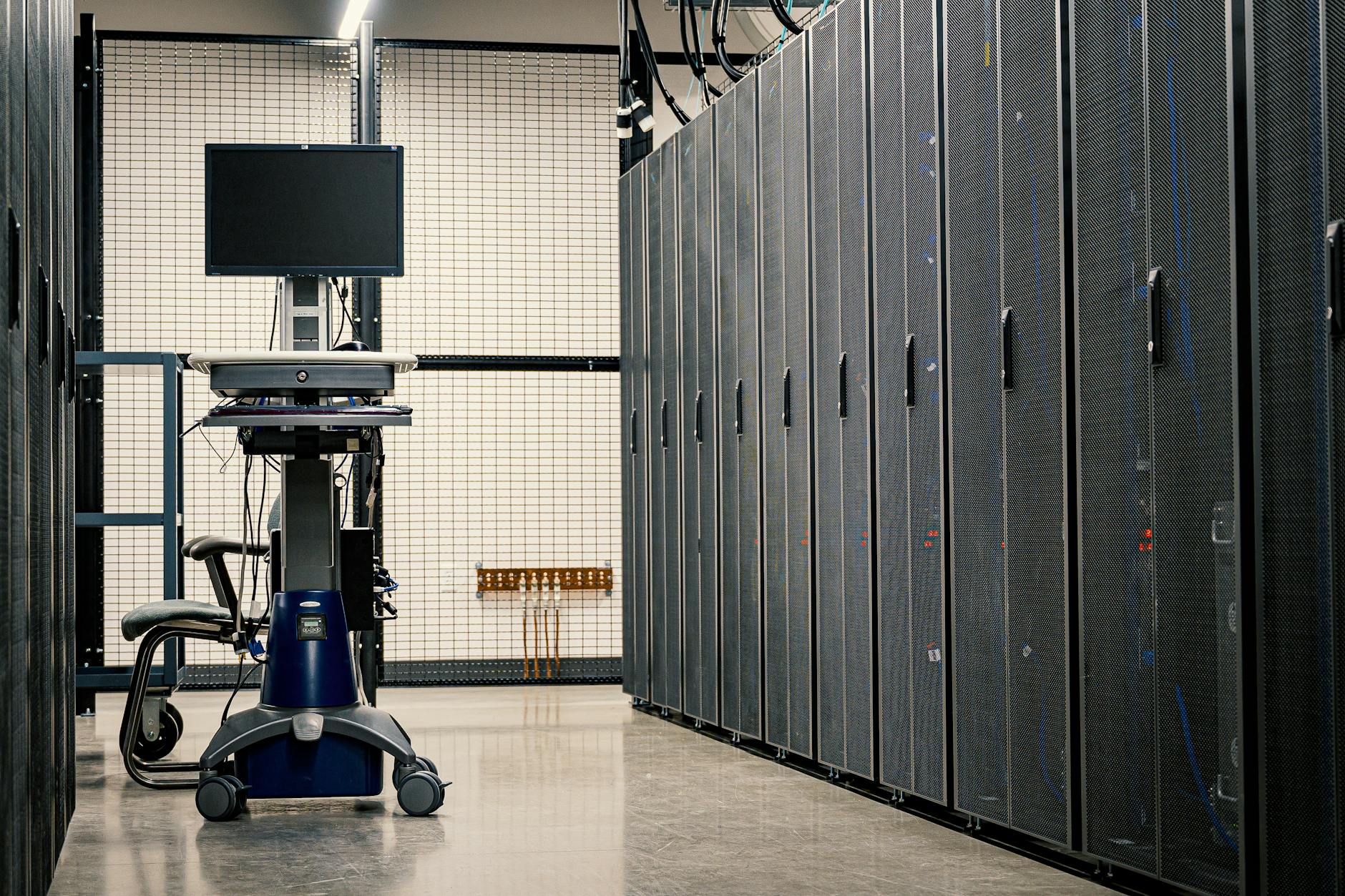
Meanwhile, grassroots resistance to unchecked growth is on the rise. In Memphis, locals are trying to shut down an xAI facility powered by turbines they say are polluting the air in a historically black community that already suffers high rates of respiratory illness. A couple in Georgia told reporters their water taps went dry after Meta broke ground on a $750 million development in Newton County. In suburban northern Virginia, where the massive warehouses have become a fixture of everyday life, citizens complain that the developments are encroaching on neighbourhoods and homes at an alarming rate. In Prince William County, locals have even coalesced to try to change local ordinances and put an end to the incessant low-grade roar produced by data centre cooling systems.
In Alabama, residents in McCalla and in the City of Bessemer are united against Project Marvel. “We might be fighting an uphill battle,” David says, “but we’re going to fight it to the very end.” Locals have spent months pouring over academic reports and technical documents, trying to understand how data centres have been received in other communities and what risks might attend the development. They’ve also built a substantial coalition of allies in opposition to the project location, if not to the project itself, including Jefferson County Commission President Jimmie Stephens, State Representative Leigh Hulsey, and a wide range of environmental and other public advocacy organisations.
Generally, American communities think growth is good but they do reserve the right to try to have growth on their terms.
Reading this article and seeing online conversation opposed to data centers near me, I wonder which if these factors is more influential in the concerns people have:
- The environmental costs of data centers including high water and electricity usage plus possible pollution and noise.
- The sense that a community could find or approve better uses for the land rather than for a data center. How many jobs will actually be generated? Will the community actually see some benefits?
- A sense that tech and/or certain companies are dangerous or they could corrupt communities.
- Resistance to a potential change in local character that having a data center might represent.
Some of these are common responses in American communities to proposals for land use and others are more specific to data centers.
According to this article, there are already over 5,000 data centers in the United States. How many communities will say no to data centers and which ones will say yes?
 Legally Sociable
Pingback: How about creating suburban communities that only contain data centers? | Legally Sociable