
President Trump and his political allies continue to discuss cities in particular ways:
When President Donald Trump declared his third presidential candidacy in 2022, he saved his most colorful language for America’s urban areas, bemoaning “the blood-soaked streets of our once-great cities” and adding that “the cities are rotting, and they are indeed cesspools of blood.”
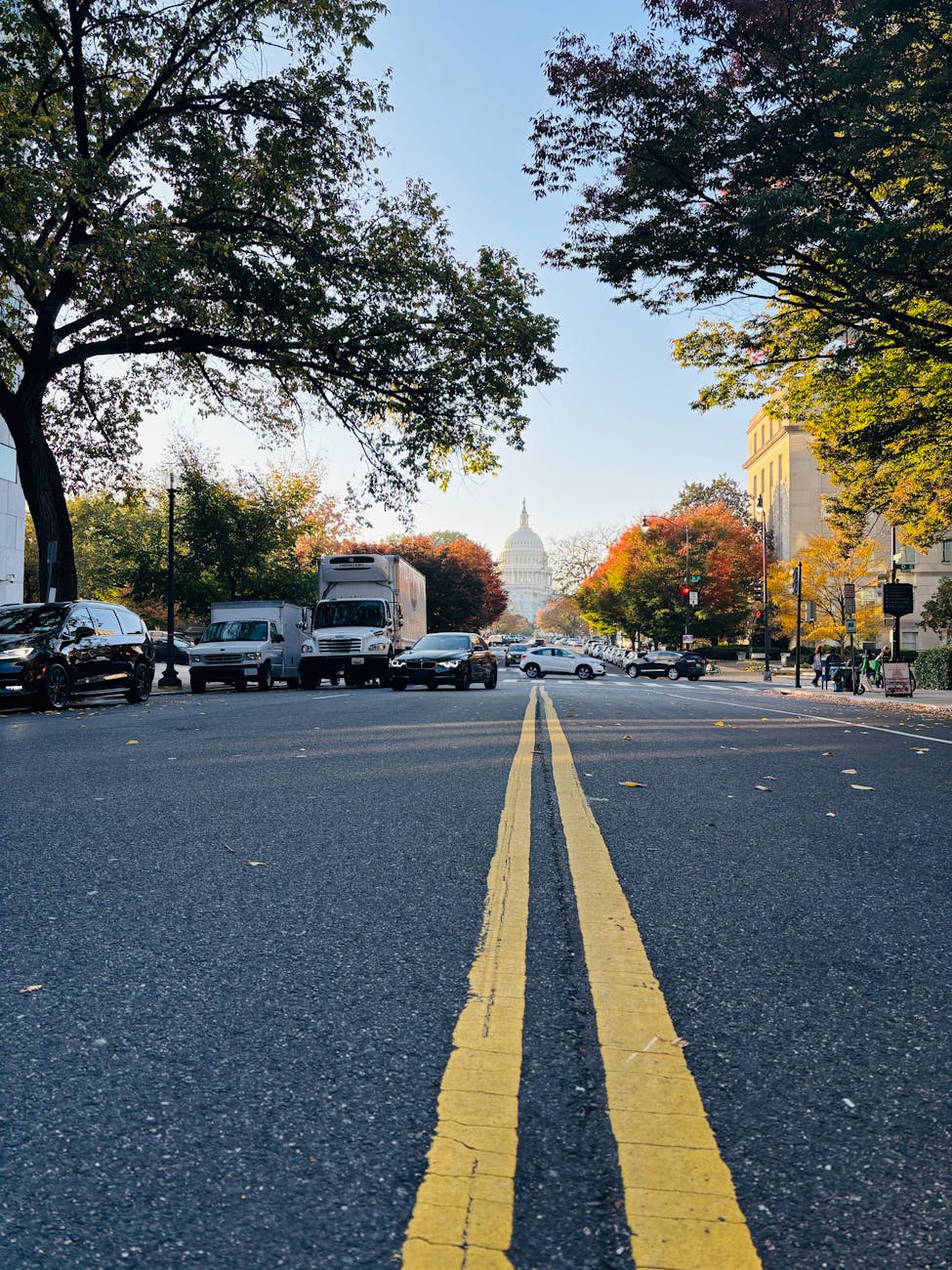
Later in his campaign, Trump called Milwaukee “horrible” and described Washington, D.C., as a “rat-infested, graffiti-infested shithole.” More recently he said, “These cities, it’s like living in hell.”
Other Republicans have seized on similar dystopian urban images. When Vice President JD Vance visited New York several years ago, he compared the city to a zombie apocalypse, posting: “I have heard it’s violent and disgusting there. But is it like Walking Dead Season 1 or Season 4?”
As Trump ramps up the military presence in Washington — and hints that he may move to take over other cities — his crackdown punctuates a frequent Republican message that American cities embody chaos, lawlessness and immorality, despite widespread recent drops in violent crime. With cities increasingly liberal and rural stretches ever more conservative, Republicans have a growing incentive to attack urban areas as the epitome of all that is wrong with America…
Trump’s rhetoric culminates a long history of American politicians casting cities as hotbeds of vice and social disorder, said Michael Kazin, a historian at Georgetown University and author of “The Populist Persuasion: An American History.” Left-wing populists have often been dismayed by the vast wealth inequality on display in cities, he said, while right-wing populists have recoiled from the elites, immigrants and minorities who live there.
This resonates with some Americans because there is a broader and longer history of criticizing cities in the United States. From the beginning, a number of Americans have idealized small town or rural living. The growth of major cities was accompanied by numerous concerns. When asked today, many Americans say they would prefer to live in small towns.
At the same time, it is hard to imagine the United States today without its big cities and the good things that came with them. A United States without New York, Los Angeles, and Chicago? Or San Francisco, New Orleans, and Cleveland?
Even if voting patterns by geography seem fairly set in American national elections, it would be interesting to hear more politicians articulate messages that cross these boundaries. Are people living in cities, suburbs, and rural more different than they are similar? Breaking through the existing patterns might just require addressing issues that Americans face or care about regardless of where they live.
 Legally Sociable