
Case in point: Evanston’s Land Use Commission narrowly voted last Wednesday to recommend denial of a zoning application to build a 31-story, 430-unit apartment building in downtown Evanston. The tower would be among the tallest in all of Chicago’s suburbs. All the apartments would be studios, 1-bedrooms and 2-bedrooms, with 86 of the units deemed “affordable.”
The commission isn’t the last word on the project; the City Council will have that final say. But the 4-3 vote against the project reflected divisions within the community about growth. Speaking at the commission meeting, Chris Dillion, president of Chicago development firm Campbell Coyle (which isn’t developing the 605 Davis project that was the subject of the proceeding), clearly was frustrated: “Downtown Evanston cannot be preserved for only those who already are here. We need to make room for everyone,” he said, according to the Evanston RoundTable.
A majority of commissioners nonetheless thought the project was too big…
In Highland Park, another lakefront community about 14 miles north of Evanston, a fierce debate is underway about the redevelopment of a 28-acre vacant tract once the site of a Solo Cup factory. Prominent Chicago developer The Habitat Co. has proposed building 232 townhomes.
A recent meeting of the village’s Plan Commission on the project featured pointed criticisms, jeering and disruptions from residents complaining about the usual things when substantial residential developments are proposed — traffic and the impact on schools. But one resident complained that because some of the units were envisioned as rentals, the new residents would be “transient” and not invested in the future of Highland Park, according to a Tribune report.
The commission didn’t vote on whether to recommend approval, but a majority of commissioners expressed misgivings. Habitat partner Kathie Jahnke Dale said that any major reduction in the density, which already had been scaled back from a prior proposal, would lead the developer to walk away, likely leaving the site “vacant for another 15 years.”
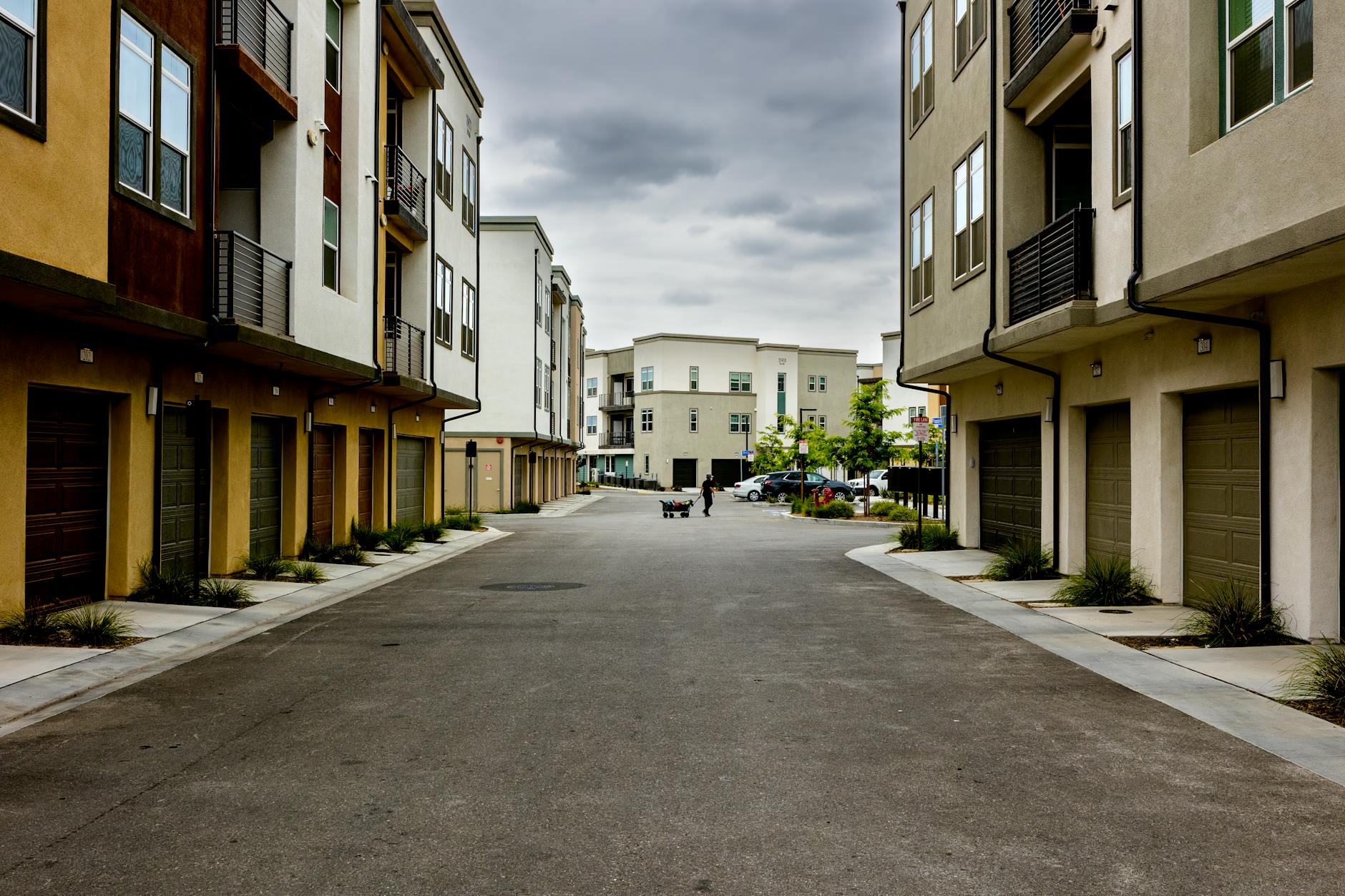
This resistance is not unusual. For decades, suburbanites in the Chicago and across the United States have often resisted proposed developments that would bring denser and/or affordable units to their communities. Leaders and residents bring up concerns about noise, traffic, density out of line with the surrounding area, threats to property values and local quality of life, and concerns about the residents who would live in new residences.
Given this consistent opposition, what positive outcomes are possible regarding suburban proposals for affordable housing? Some thoughts on the possible options:
- Approval of the proposal in its initial form. This is rare. But there must be examples that could serve as models that others could learn from. What factors in suburbs lead to approving needed affordable housing from the start?
- A significantly smaller proposal. This happens quite a bit with proposals for suburban development: the initial pitch from the developer is considered and in the discussion with the community, the number of units is reduced. Take the Evanston example above slated for 31 stories and 430 units. Given the concerns expressed, perhaps the community would be okay with 15 stories and 200 or so units. Or with townhouses as in the second example, the density is reduced a bit with more open space provided. These changes can lessen the affordable housing contribution made but at least some affordable housing units are added.
- I do not know if proposals that are rejected all together can be positive. Perhaps it encourages an ongoing conversation in the community? Perhaps turning down a reasonable proposal galvanizes local efforts to support affordable housing?
For new affordable housing to be constructed in suburbs, my sense is that significant support needs to come from local leaders and residents who can articulate how this will benefit the community. Since many suburbanites will see such proposals as a threat, what about them adds to the community?
 Legally Sociable