
How much does two miles of railroad track matter in the Chicago region?
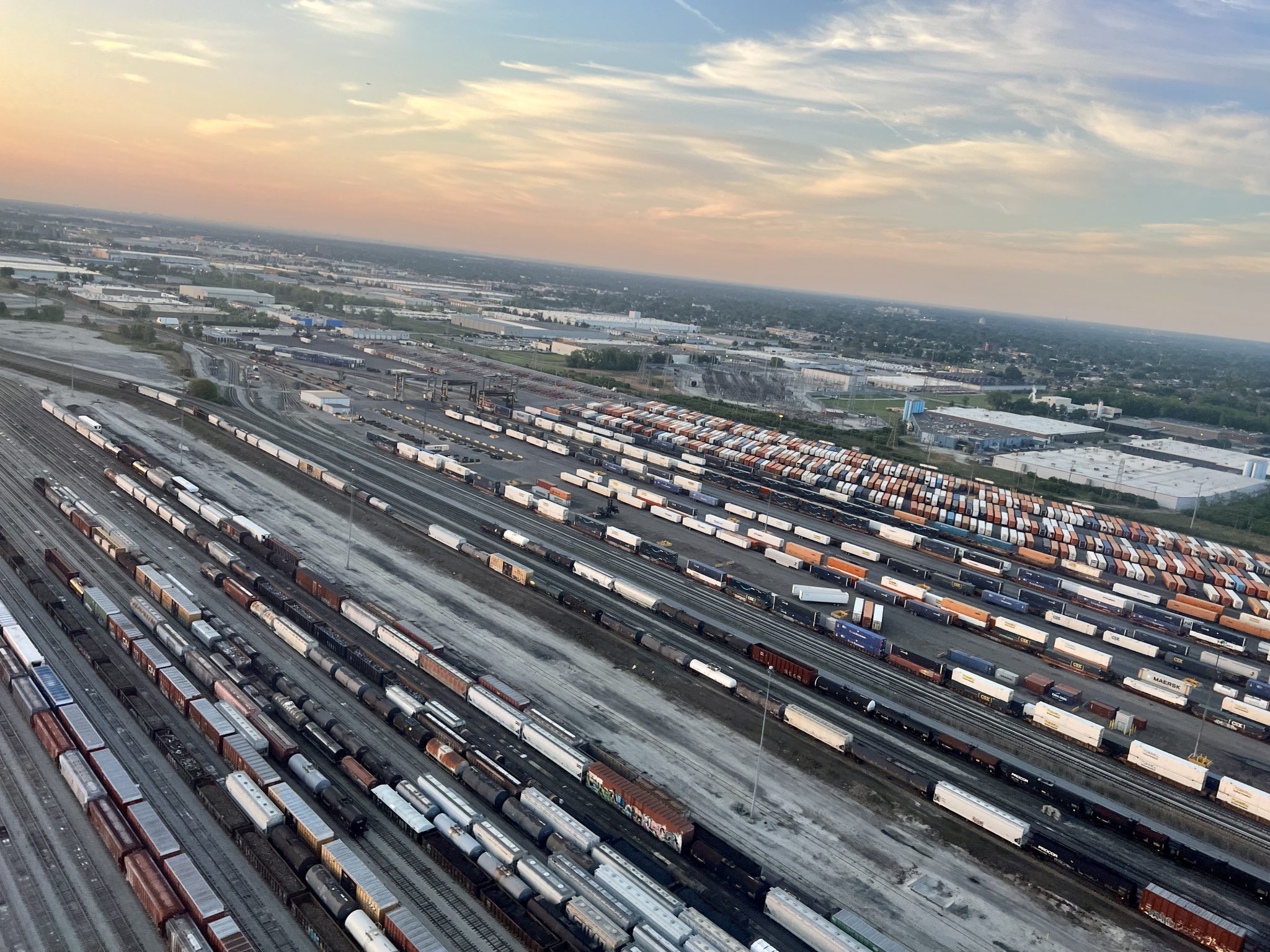
To make money on its proposed cross-country railroad, Union Pacific plans to double the number of trains on a 2-mile stretch of track on Chicago’s West Side where workers still throw switches by hand and trains crawl across century-old bridges at less than 15 miles per hour.
The railroad plans to add 12 trains per day on these dilapidated tracks, which run along Rockwell Avenue through North Lawndale and West Town.
After reaching Lake Street on the north, the additional trains will turn west and run 13 miles to a Union Pacific rail yard in Melrose Park.
They’ll have to thread their way through 58 passenger trains and up to 24 freight trains, which, according to Metra and Chicago Metropolitan Agency for Planning data, are running on these same tracks each weekday now.
The railroad importance and bottleneck that is Chicago is on display here. A lot of freight traffic flows to and through the region. A proposed merger of two major railroads means there could be more trains. Can a short stretch of track handle more freight traffic when it already has freight and passenger traffic? Will a railroad merger mean that Metra can no longer use these tracks? Are there any alternate options?
If one could start over in planning the Chicago region and knew what was needed today, how differently would the railroad network be set up? Chicago has a hub and spoke model of passenger lines funneling people into the heart of the city. Freight trains also travel along these lines plus along numerous other lines that bisect and ring the region. Where would the rail yards and intermodal facilities be? Would the lines be put in different places? Could there be designated railroad districts or railroad corridors?
However this merger business ends, I hope the railroad companies, communities, and regional actors can get together and figure out what would serve the Chicago region best in terms of railroad lines and activity.
 Legally Sociable