
Chicago ranked high in air pollution in 2025 and this air pollution was not just limited to the city:
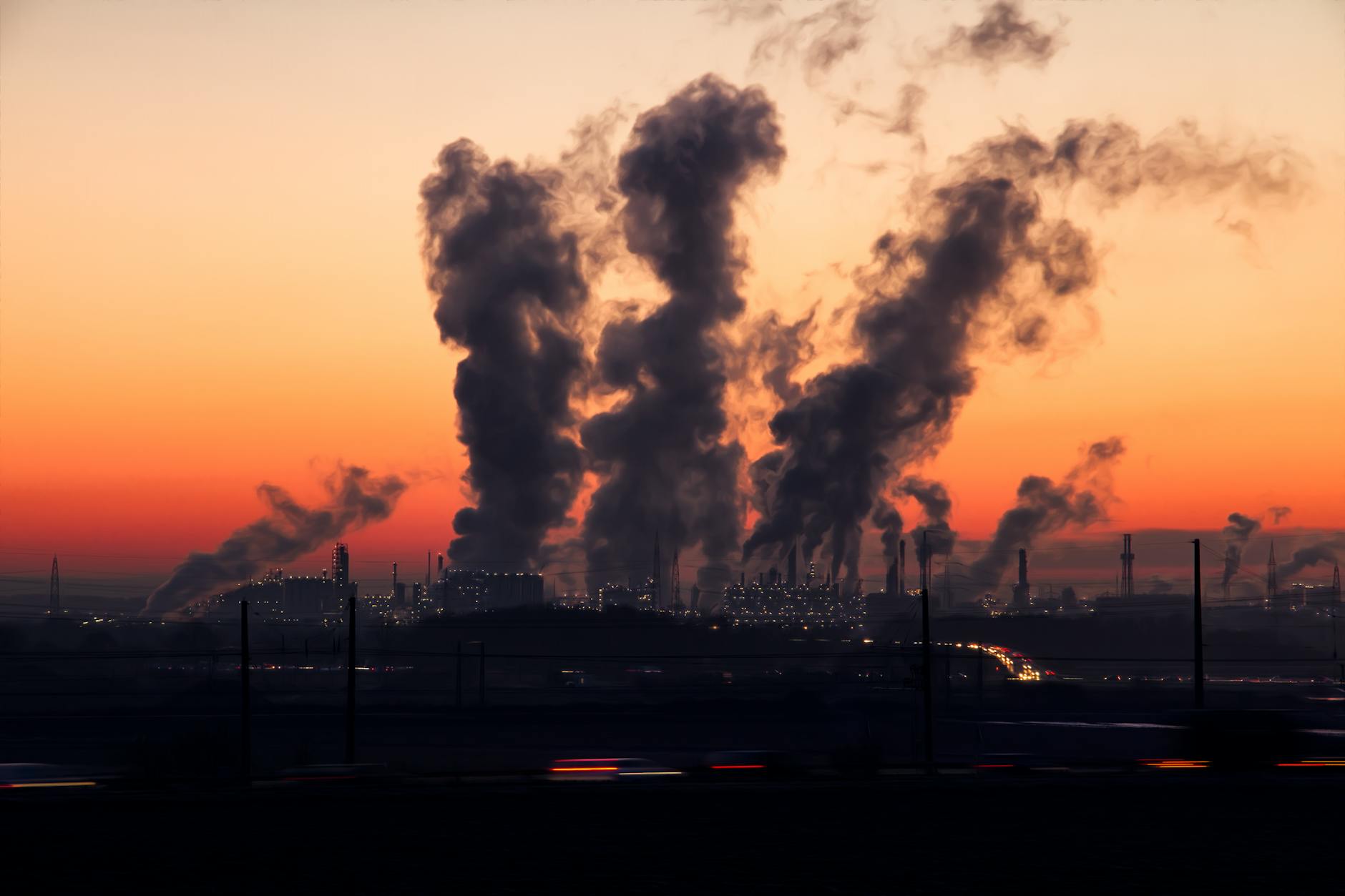
During a year marked by Canadian wildfire smoke and an unprecedented dust storm, which worsened transportation emissions, Chicago ranked as the third-most polluted major U.S. city in 2025, according to a report released Tuesday.
The average concentration of small particulate matter in the city last year was 9.7 micrograms per cubic meter of air — almost double the World Health Organization’s recommended limit of 5 micrograms per cubic meter, and a more than 15% increase from 2024, when Chicago dropped to seventh place among the most polluted major cities in the country. It was second in 2023. Smaller communities in the Joliet area — Ingalls Park, Lockport and Crest Hill — recorded the highest concentrations in the state, and all averaged above 10 micrograms per cubic meter…
But PM2.5 concentrations can also vary from town to town and even from one neighborhood or one city block to another. For instance, in Chicago, primarily Black and Latino neighborhoods with more traffic and heavy industry can have higher concentrations of particulate matter over time. That can be exacerbated by temporary factors such as fireworks on July Fourth.
Forty miles southwest of the city, Ingalls Park, Lockport and Crest Hill topped the state’s list with a yearly average of 11.3, 11.2 and 10.9 micrograms of particulate matter per cubic meter of air, respectively. Joliet ranked No. 6. According to census data, the Hispanic and Latino population is 41% in Ingalls Park, 35% in Joliet and 27% in Crest Hill. For context, 19% of the state’s population is Hispanic…
Nearby, the Des Plaines River also contributes to barge traffic. And I-80 — the second-longest interstate highway in the country, crucial for long-haul freight — also fills the air with smog and particulate matter. According to the Illinois Department of Transportation, I-80 through Joliet and Will County carries approximately 80,000 vehicles a day, about 25% of which are trucks.
Chicago, like a number of cities, has a long history of industrial suburbs. These locations outside city limits became popular in the nineteenth century for industrial use because of cheaper land and fewer residents around affected by pollution. But industrial facilities attracted workers and other businesses and cities and metropolitan areas expanded, bringing these industrial suburbs into the fold.
And factories and power plants, two typical producers of air pollutants, are not the only polluting members of suburban communities. As noted above, highways and roads contribute to this as do warehouses and other industrial facilities. Joliet and the nearby area have become home to many warehouses as its location lends itself to intermodal facilities where companies can load and unload outside of a major city in the middle of the country. Suburban life depends on driving and residents want their goods delivered to them or their nearby stores.
What possible solutions are there? Facilities or property owners can face restrictions or pressure regarding pollutants produced. Communities can push back against the ongoing proliferation of facilities. This is hard within a region. One community might say no to more warehouses or data centers. However, among hundreds of municipalities within a region, another one might say yes to the jobs, growth, and status. A regional approach where communities and other bodies of government come together to have an approach could be helpful. It could also help suburbanites to look beyond just their municipality or immediate neighborhood context; air pollution can cover a broader area and becoming familiar with a broader area could help.
 Legally Sociable