
What kind of suburbanite goes apple picking in the fall? One former apple orchard resident has an idea:
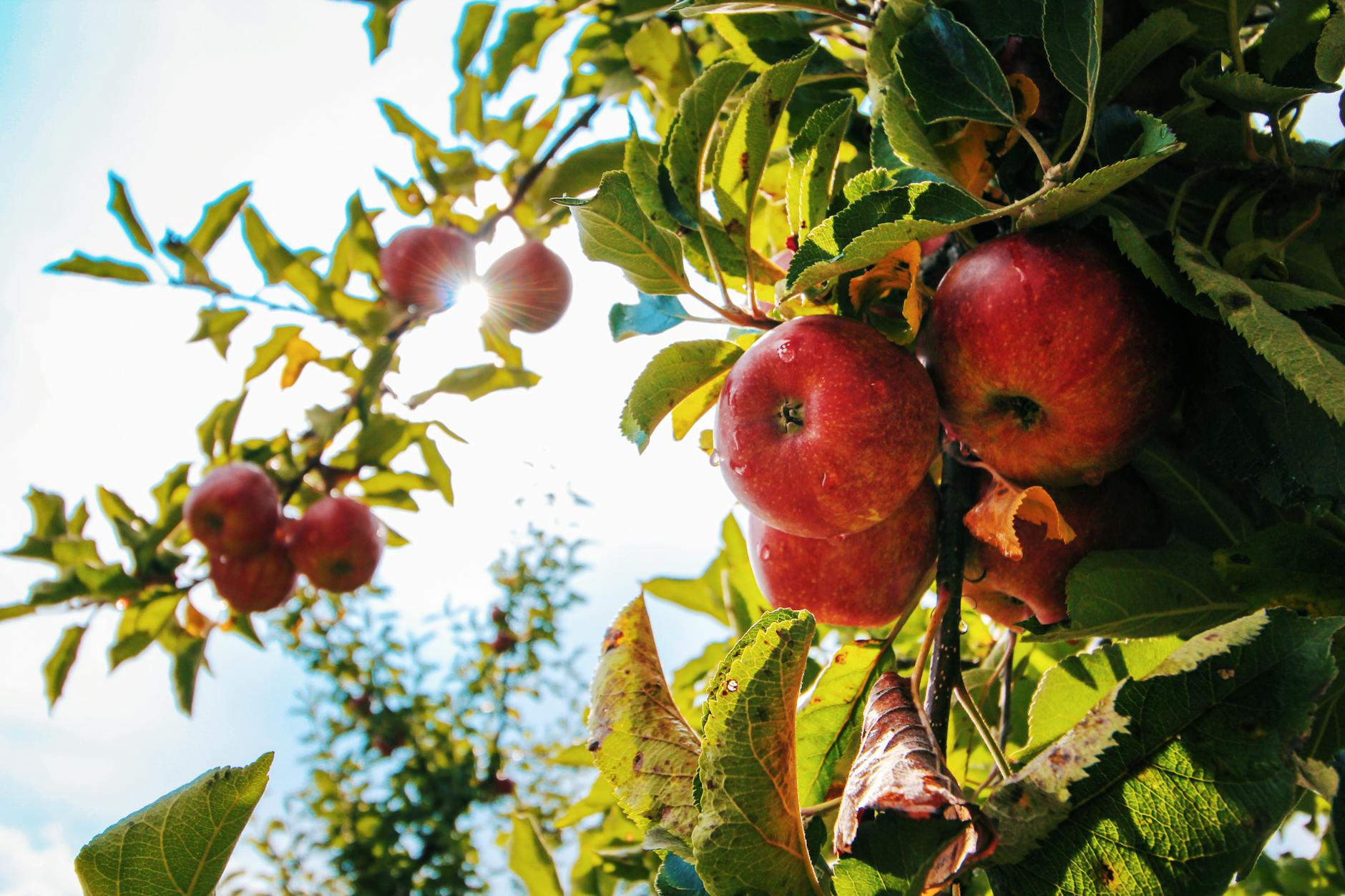
I grew up on a 64-acre apple orchard in rural Ohio. To reveal my origin story to a new acquaintance is inevitably to watch their pupils dilate as they picture bucolic scenes of fruit-laden trees, decorative cornstalks, tractor-pulled hayrides, and caramel-doused apples plunked onto sticks. Orchards, I’ve come to see, are like catnip to the imaginations of boho-chic suburbanites, TikTokking wanderlusters, and harried parents on the edge of a nervous breakdown. If apple pie enjoys symbolic stature as the wholesome, patriotic dessert of America, the orchard is its hallowed birthplace and cradle—a mythical agricultural space that conjures bygone days of bliss and childhood innocence.
As a suburbanite, I am not a frequent visitor to apple orchards. What I know largely comes from advertisements for orchards and conversations with others who visit orchards. From what I can gather, the orchards are now less about apples and more about entertainment and being a mini theme park. Food options. Corn mazes. Activities for kids. Various pricing levels. Yes, some apple picking options or apple purchasing options before leaving.
Does this appeal to “boho-chic suburbanites”? Does that include people who want a controlled and cheap setting for fun with their kids, an interesting setting for selfies and family pictures, a way to fulfill some vision of what fall is supposed to look like, or some connection to an agricultural past that some have a long connection to?
I am sure there are a few good academic papers that could be written about apple orchards in 2025 as sites of consumption, social interactions, late-stage capitalism, and modern connections to nature.
 Legally Sociable