Which American communities will give up local services in order to not have any property taxes?

As multiple states consider having no property taxes, what happens to the local services that property taxes fund? This could include local schools and local services. Many communities value their local services, whether the residents themselves make use of them and/or because they help contribute to local property values.
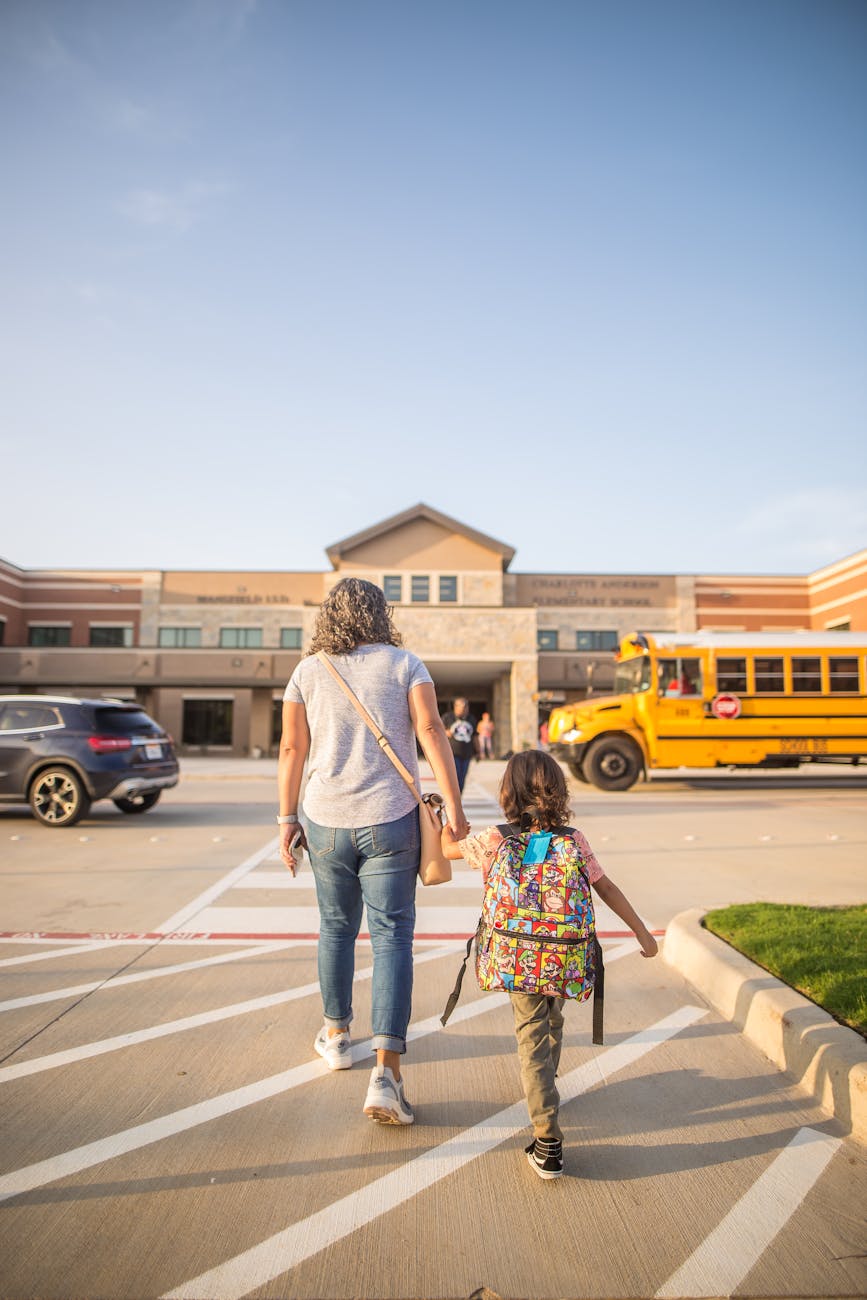
Photo by Caleb Oquendo on Pexels.com

So if there is less funding for local services (this assumes county or state funds might not make up the loss of property tax revenues), which ones would people be willing to forgo? Some possibilities:

-Local schools. Lots of complaints about how much schools cost, particularly labor costs. And people who do not have kids in the schools might want to pay less for schools. (Counterargument: the quality of schools helps boost the status of communities and is related to property values.)

-Local police/fire. Do we need this much local coverage?

-The number of local government employees/functions. Are they all needed?

-Thinking about these last two: why not consolidate police or roads or other local services with other communities or within an entire county? (Counterargument: individual communities then have less say over how much the local services interact with their residents.)

I suspect that places that eliminate property taxes may then have some interesting discussions about how to make sure the services that property taxes helped fund continue. How many residents will actually accept a decrease in local services and amenities?

Politicians and their responses to snow (and other events)

Is it any surprise that Mayor Daley of Chicago has been absent from the response to snowstorm of recent days? What exactly could he gain at this point in his career?

We know from recent history that politicians have plenty to lose in such circumstances. Look at Mayor Bloomberg in New York a month or so ago – if he can’t even get the snow plows working, how could he achieve higher office? Past Chicago mayors, such as Michael Bilandic, have been burned by snow.

My guess is that this is one of those situations where people in charge get little credit if all goes smoothly but proportionately more blame if things go poorly. People expect that services like snow plowing or garbage pick-up are just going to happen and tend to only notice this when that service is interrupted. Right now in Chicago there seems to be game of political hot-potato over the number of people trapped overnight on Tuesday on Lake Shore Drive. Who exactly is responsible – should Mayor Daley have to answer for this? Shouldn’t someone have had some plan in place? More broadly, do most cities sit and think about worst-case scenarios so that they have at least thought about some of these issues?

This may not be a fair process on the part of the public: the leader can’t control everything. But when something goes wrong, the public also expects that the leader is ultimately responsible and is responsive to the needs of the citizenry. If not, if those basic services don’t come through, the blame often goes right to the top.