The International Car Wash Association, the American Beefalo Association, and the purpose of business associations

I recently drove by the headquarters of the International Car Wash Association. I did not know this group existed and I wanted to learn more. According to their website, here is what this group does:

Photo by Pixabay on Pexels.com

International Carwash Association (ICA) is the nonprofit organization representing the car wash industry in the United States, and uniting it around the world. Its members own, operate or support nearly every car wash business in dozens of countries. ICA offers the world’s largest car wash events and exhibitions, the leading online manager training program (LEAD™), news and inspiration through CAR WASH Magazine™ and a variety of industry research products (Pulse™).

Why did this catch my eye? In graduate school, I made a very small contribution to a research project by sociologist Lyn Spillman that involved me going through a multi-volume set of American business associations and coding basic information from the entries. I read a lot of entries about organizations that I never knew existed. Only the name of one group stuck with me from that work: the American Beefalo Association. From their website, here is more information about beefalo and the group:

Beefalo was developed in the early 1970’s by a Californian producer who successfully interbreed American Bison with domesticated cattle. After nearly 150 years of selective breeding, the perfect balance was found in 3/8th’s Bison and 5/8th’s domestic cattle. This new cross had high fertility success and a superior balance of traits for modern-day uses and needs. With this cross, the hardiness of the bison was retained but was melded the easy temperament, superior carcass structure and meat quality of domesticated cattle. In 1975 the American Beefalo Association was formed as the breeds popularity sky-rocketed. By 1985, USDA meat testing had concluded substantial differences in Beefalo’s nutrition profile when compared with traditional beef warranting beefalo it’s own meat label and regulations. Today beefalo is experiencing a resurgence in the health food market as consumers are actively becoming more conscious about where their foods come from, invested in animal welfare and engaged in sustainability efforts.

Spillman went on to write a book – Solidarity in Strategy: Making Business Meaningful in American Trade Associations – explaining how these organizations bring meaning to business activity. Spillman writes, “Associations often dwell on shared identity, admire technical excellence, highlight contributions to the group, and express occupational camaraderie, with little attention to strategic economic purposes.” (13) In other words, the International Car Wash Association and the American Beefalo Association might be assumed to be about generating revenues but they may be more about bringing people across an industry together and creating solidarity.
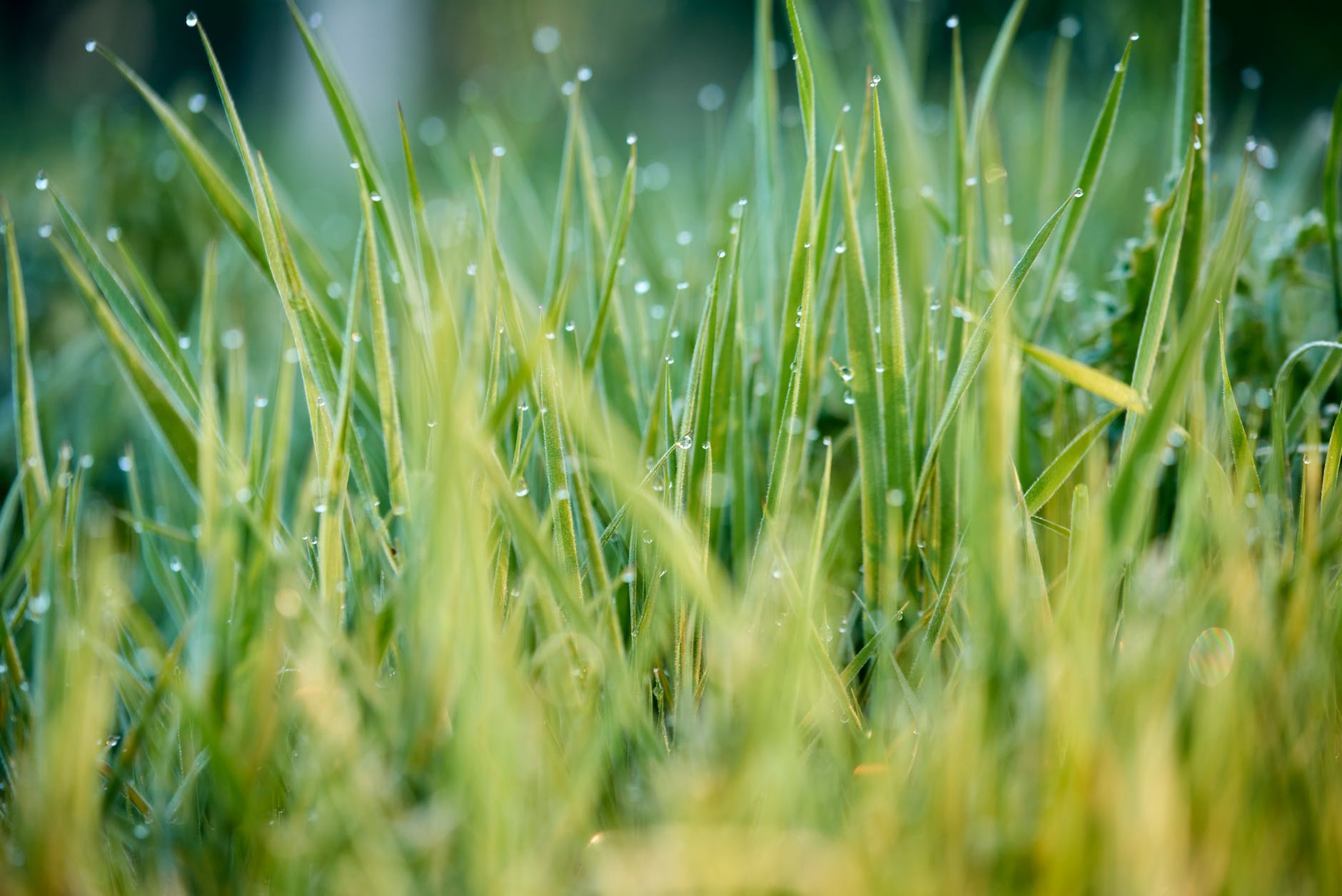
National Association of Landscape Professionals defends the lawn

Trade associations are common in the United States and one is defending the green lawn as some Americans consider alternatives:

Photo by JJ Jordan on Pexels.com

Andrew Bray, vice president of government relations for the National Association of Landscape Professionals, a trade group, says lawns are still the mainstream choice. People want neat outdoor spaces for relaxing, playing and entertaining.

He says his group supports the goal of making lawn care more environmentally friendly, but believes some recent ordinances, like those against gas-powered blowers and mowers, have created a “fraught political environment.” He says electric alternatives to those tools aren’t feasible yet for the big lawns that professionals handle.

The landscapers’ trade group set up a new public platform this year, Voices for Healthy Green Spaces, to present its side of things. “Whether people want to have a large yard, plant a forest of trees in their backyard, or want a meadow and unstructured plantings,” all are green options, he said.

There is plenty of money in lawns. Many suburbanites see lawns as part of nature.

How green or environmentally friendly is the manicured and green lawn free of dandelions and leaves? It will likely take a varied approach to move many Americans away from these ideas. This could involve: displaying and marketing alternative approaches to yards; financial incentives to avoid a green grass lawn; increasing concern and action regarding climate change and its effects; and selling new kinds of lawn products. Put these together and the preferred lawn might change…over decades.

And keep an eye on how Big Lawn operates.

Realtors argue their guild needs more professionalization

Real estate is an important part of the American economy but a recent report from the National Association of Realtors suggests realtors need more training:

In an unusual move for a major American trade association, the million-member National Association of Realtors has commissioned and released a frank and sometimes searing assessment of top challenges facing its industry for the next several years. The critiques hit everything from the professionalism and training of agents to the commissions charged consumers, and even the association’s ?leadership.

-“The real estate industry is saddled with a large number of part-time, untrained, unethical and/or incompetent agents. This knowledge gap threatens the credibility of the industry.” Ouch!

-Low entry requirements for agents are a key problem. While other professionals often must undergo extensive education and training for thousands of hours or multiple years, realty agents need only complete 70 hours on average to qualify for licenses to sell homes, with the lowest state requirement for licensing at just 13 hours. Cosmetologists, by contrast, average 372 hours of training, according to the report.

-Professional, hard-working agents across the country “increasingly understand that the ‘not-so-good’ agents are bringing the entire industry down.” Yet there “are no meaningful educational initiatives on the table to raise the national bar …”


This is a good example of maintaining professional standards, a key activity of many business associations. (For an award-winning sociological read on trade associations and a book for which I did a small amount of research work, see Solidarity in Strategy: Making Business Meaningful in American Trade Associations.) Keeping track of the actions of thousands of members is a difficult task. The NAR has the ability to bestow the name REALTOR®. Upping the standards with harder tests and stricter requirements has been done by lots of groups in order to improve their status.

But, this might also have some negative consequences:

1. Might it encourage more people to bypass realtors all together? This is easier than ever with the Internet.

2. If I remember correctly, the average age of realtors has increased in recent years. Might this simply increase that?

3. Might this issue be solved in other ways like if realtors worked within agencies that stressed standards or through mentoring programs that offer benefits for both parties?

4. Do realtors want more regulatory oversight like other groups – such as cosmetologists? This may help up their status but could lead to more hoops to jump through.