Trying to change the name of a canal to match its future uses

The Chicago Sanitary and Ship Canal has existed for over 100 years. Some now want to change the name as it refers to the past, not the future of the canal:
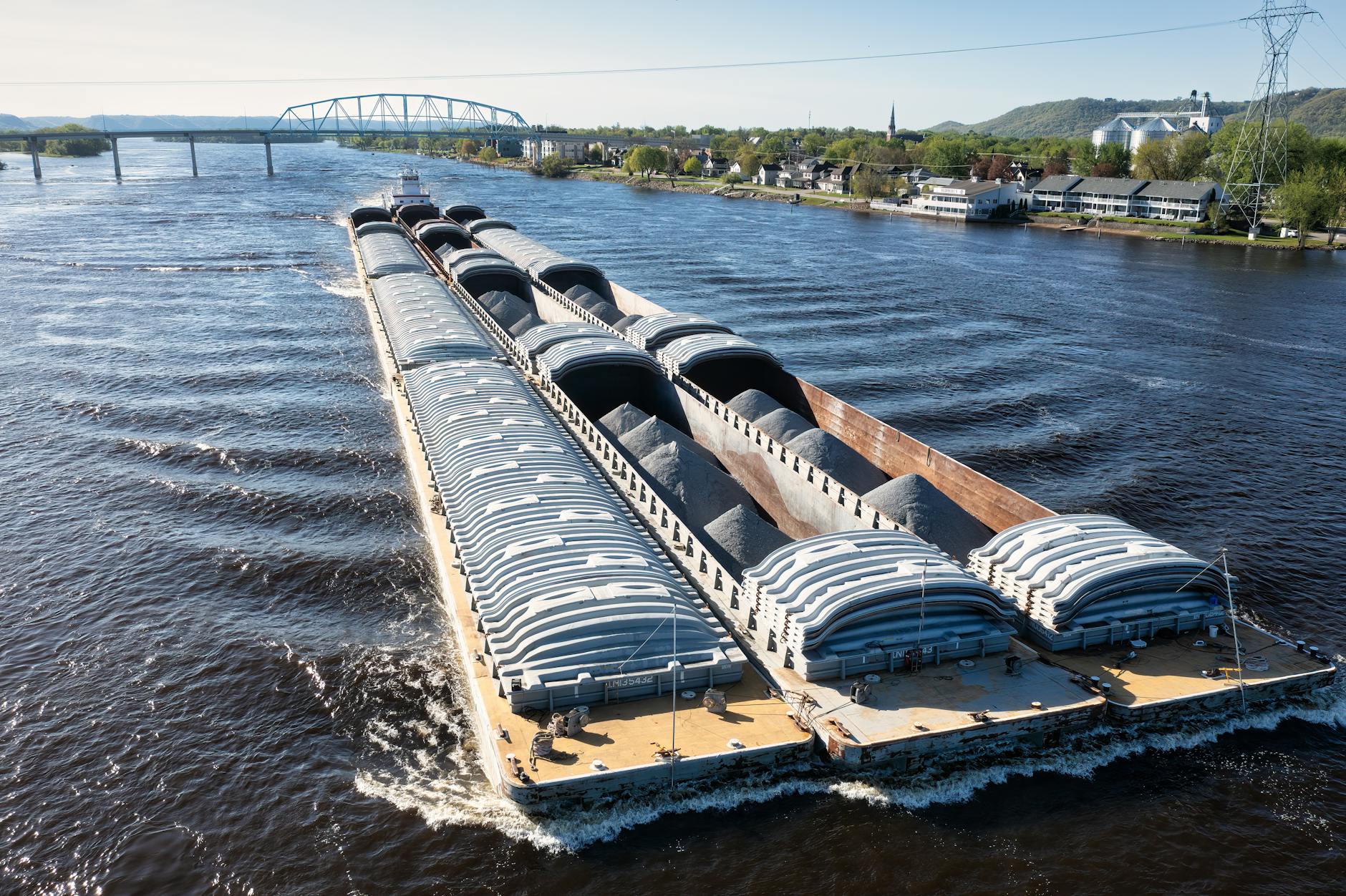
Photo by Tom Fisk on Pexels.com

People who live and work near the canal want to see more uses of it, said Margaret Frisbie, executive director for Friends of the Chicago River. A new name, she said, could reflect the canal’s importance beyond shipping and sanitary needs…

The canal, a 28-mile stretch from Chicago’s Lower West Side to just north of Joliet where it joins the Des Plaines River, has a rich history. At the time it opened in 1900 to provide the only way for ships to navigate between the Great Lakes Waterway and the Mississippi River, it was regarded as a win for public health and sanitation and earned the applause of civil engineers…

The coalition has released a survey where people can pitch ideas for names and voice their opinions on how the canal should be cared for and used. The public will later be able to vote on favorite names, Frisbie said, before the group submits a name-change application to the U.S. Board on Geographic Names. The goal is to submit the application by the end of the year, she said…

“Modernizing the canal’s name will better reflect its role as an economic driver for the region and its potential for recreational development,” a spokesperson for Foster said in a statement.

Is it too direct to call it the “Economic Driver Canal? The “Economic and Recreational Canal”? The “Canal of Success”?

This is a branding issue. The groups behind this suggest the name is not helpful for people today who do not think much about sanitation or may not know much about shipping. A new name could revitalize interest. Perhaps it leads to increased funding, more tax revenues, a new age for the canal.

Yet it is hard to imagine a new name that might capture these new ideas. I would not be surprised if the canal adopts a name related to a historical figure or group that might connect to some of that forward-looking energy.
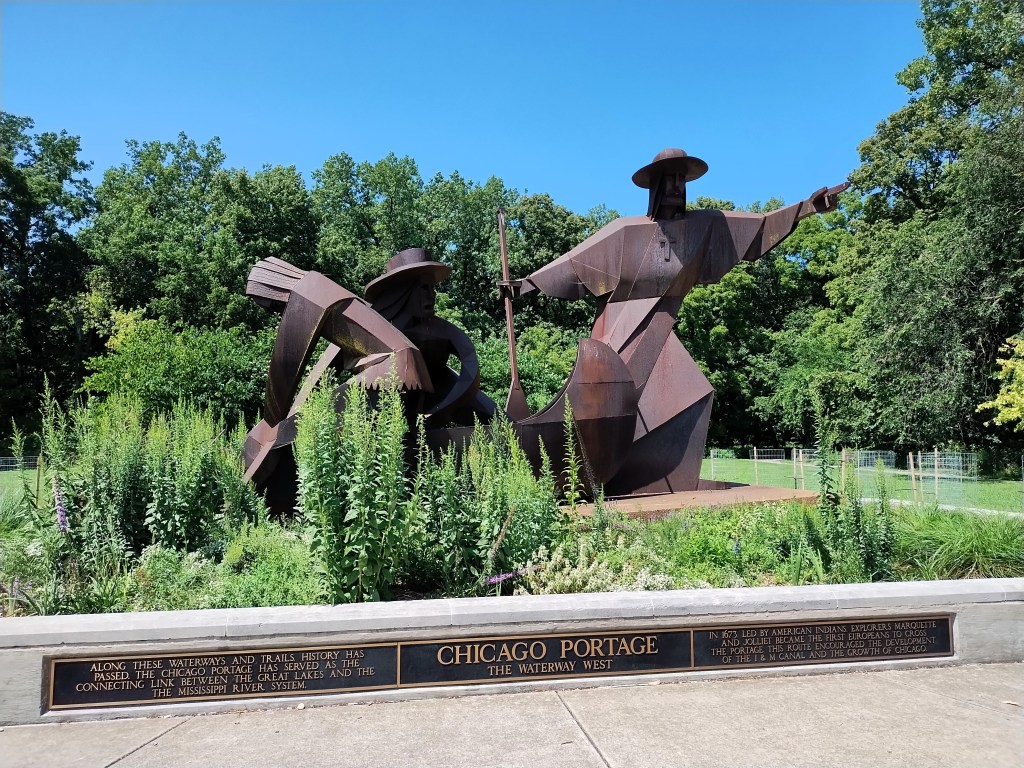
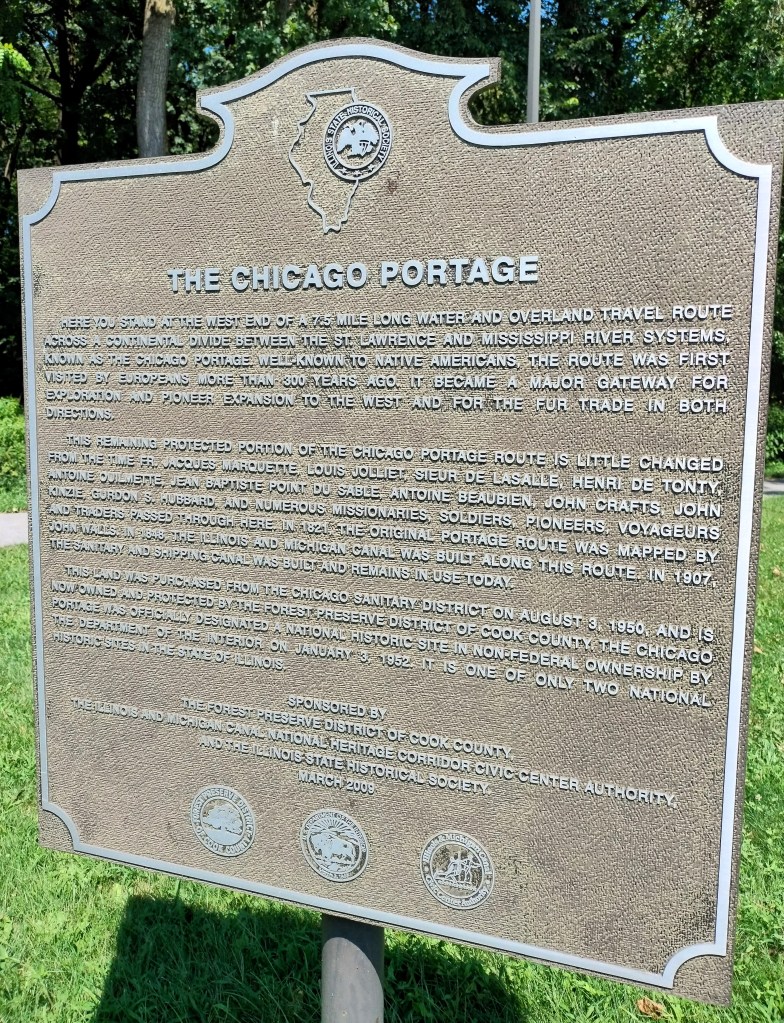
Commemorating the portage that led to the creation and flourishing of Chicago

I recently visited the Chicago Portage National Historic Site in Lyons, Illinois. Here are some images from the site:

The importance of traveling via water meant that portage sites were important. This site was one of the places where it was easier to move watercraft from the Great Lakes system to the Mississippi River system. It was not the only portage site allowing that connection but it became known and then improved on in the mid-1800s with a canal.

The site now is somewhat obscured off a major local road and close to a major interstate. The area is mostly industrial land with few houses nearby. Chicago is a transportation center but a portage is no longer needed. There are still canal waterways nearby but these have receded in importance to and status in Chicago compared to railroads, highways, and airports. Chicago is still a transportation center but a portage is no longer needed.

The Chicago Portage Wikipedia page has lots of details.

When infrastructure needs exceed capacity, Suez Canal edition

Images from this week of the Ever Given wedged in the Suez Canal are fascinating. Such a situation raises a lot of quick questions – such as “how did this happen?!?” – but there are bigger issues at work. For example, how and when does infrastructure adjust when the needs increase?

Photo by Pixabay on Pexels.com

Here is how one piece frames it:

The incident could raise new questions about the container shipping industry, which moves 90 percent of the world’s goods, and its increasingly gigantic ships. Demand for shipping goods by sea has surged during the Covid-19 pandemic, with spot prices for empty containers moving from China to northern Europe rising by more than 400 percent. In response, shipping lines have loaded gigantic vessels like the Ever Given with record numbers of containers. Ships have run into some trouble. The industry has lost more cargo into the sea in late 2020 and early 2021 than in prior years. “We’re going to get to a point where the ships are so large, it becomes a burden,” says Byers.

Goods traveling via containers – whether on ships, trucks, trains, or other means – are essential to modern economies. As markets grow and expand, there will be more shipping containers moving around the globe. That means infrastructure needs to expand. More trucks and roads. More trains. More intermodal facilities. Canals that need to be wider.

This happens primarily behind the scenes. Consumers see goods on shelves or they are delivered from vast warehouses and all is good. It is only when something goes wrong in these systems, such as a 1,300 foot ship getting stuck in a major international shipping route, that we note the tensions and the limits. Changes will be made on the Suez Canal to limit the possibility of this happening again and the shipping containers will continue to flow. Until the problem arises again or larger changes need to be made…