As someone who enjoys music, is a musician, and likes some large collective activities, part of the joy of Easter is having a full sanctuary with people singing.
This level of congregational singing does not happen every week. Our church is full on Easter. The songs are familiar. Many people arrived early and the level of conversation beforehand was high.
The All Dulles Area Muslim Society, whose main campus is in Sterling, Virginia, said some of its 11 locations have reopened to worshippers with safety measures.“If COVID is gone 100%, I firmly believe our community would be fully back because people crave … to be together,” said Rizwan Jaka, chair of interfaith and media relations.
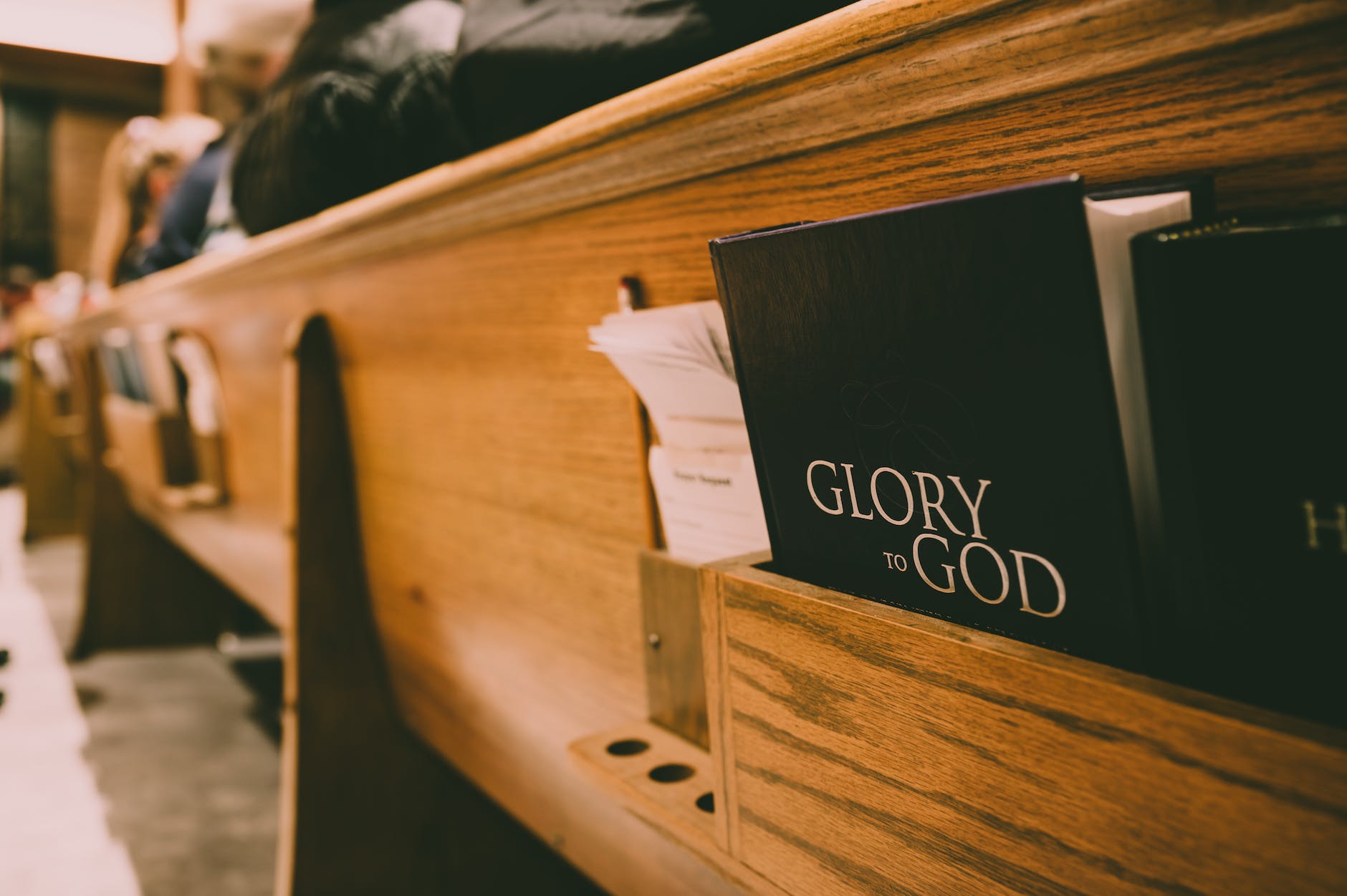
This is one way congregations could go: they are excited to fully return and resume activity. The energy a building helps create by fostering community connections and particular worship practices is one that many religious people enjoy. Collective effervescence is an important component of religious congregations as the shared experiences within a confined space provides both collective and individual energy. There is something that happens within that physical space that is difficult to replicate elsewhere, let alone via a streamed service or gathering.
On the other hand, some congregations might find the post-COVID-19 gatherings different in terms of building energy. If you have a large space and it is not as full or if there are noticeable changes to buildings and practices, the collective experience might be something different. Changes take time to adjust to and some buildings may not be as well-suited for the changes COVID-19 wrought.
All of this might be hard to predict after a year-plus of significant time away from a religious building. Do attendees return and remember what made the building important and sacred? Do they come back and experience a letdown with a changed experience and context? As my colleague Robert Brenneman and I argue in Building Faith: A Sociology of Religious Structures, religious buildings play an important role in shaping worship and community.
According to a study published in the latest issue of Sociological Inquiry, 9 in 10 Christian congregations in America have a single racial group that accounts for more than 80 percent of membership. A similar study 10 years ago found a remarkably similar ratio.
There is a growing amount of sociological research on this topic. One body of research looks at how difficult it is create and then maintain a multiracial congregation. Even if one is created intentionally, it takes a lot of work to maintain this as a too large population of one racial or ethnic group can accelerate the departure of other groups. To learn more, read People of the Dream: Multiracial Congregations in the United States.


 Legally Sociable