
Infrastructure may work but not do so efficiently. One firm says this is the case for ComEd’s electrical grid:
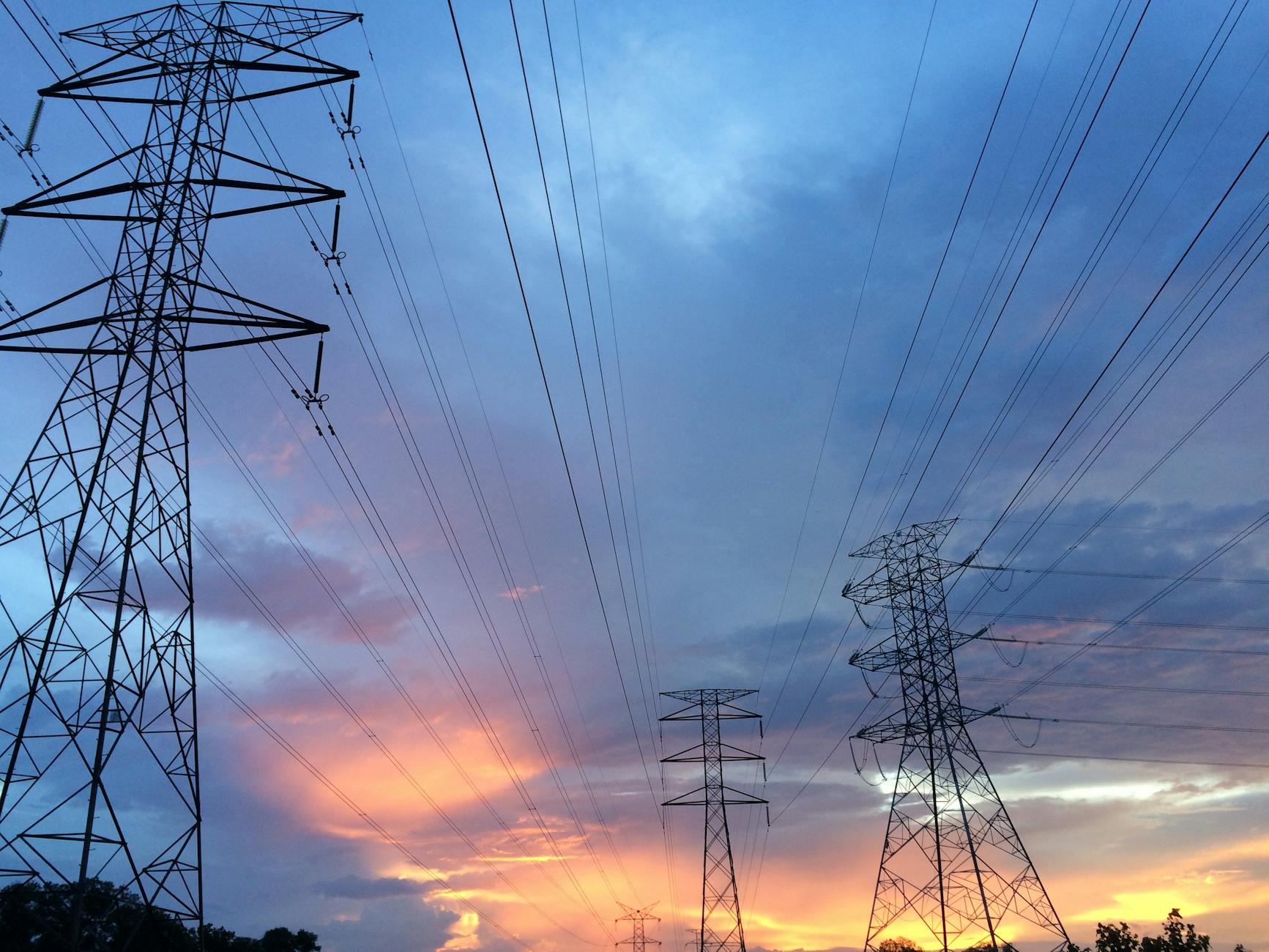
The ComEd territory essentially has the least efficient electrical grid in the country, with 40% of homes experiencing power distortion at 8% or greater, according to Whisker Labs. That means roughly 1.7 million ComEd customers are paying upward of $500 per year in energy waste, according to Bob Marshall, CEO and co-founder of Whisker Labs.
“ComEd in particular shows that they by far have the highest percentage of homes that have harmonics that are outside of industry acceptable limits,” Marshall told the Tribune. “It causes a reduction in the energy efficiency of everything that uses electricity in the home.”
The electricity provider did not agree with the assessment:
ComEd questioned the methodology behind the Whisker Labs data, and said it has one of the most reliable electric grids in the nation. At the same time, the utility acknowledged that the increased cost of the electricity is impacting many of its Chicago-area customers this summer, with low-income customers being hit the hardest.
It is one thing to have infrastructure in place. Is there electricity, water, the Internet, and more available? Are the roads driveable?
It is another question to ask whether that infrastructure is working as it could or should. If this claim is correct, what would life be like if the electrical grid worked more efficiently? Of if the water didn’t just come but the pipes were free of lead? Or if the transportation options were not just there but were ones that residents felt good about choosing? And so on.
Optimizing infrastructure can be tricky. How many people want to pay money now to improve things for benefits down the road? Is a 10% (or whatever the percentage is) improvement in efficiency worth it? These can be more difficult judgment calls that depend on current conditions and resources.
But I cannot imagine too many companies or places want to be last in rankings of infrastructure.

 Legally Sociable