These figures were part of a story about AI farming technologies:
In general, technology is further along for row crops because hundreds of acres of corn and soybeans are relatively simple to tend to en masse. Ag-tech conglomerates such as John Deere and CNH Industrial have also historically catered to the needs of row crop operations since they’re such a large share of the nation’s agricultural sector, accounting for $21 billion of agricultural production in Illinois alone. Specialty crops haven’t received as much attention from corporate America.
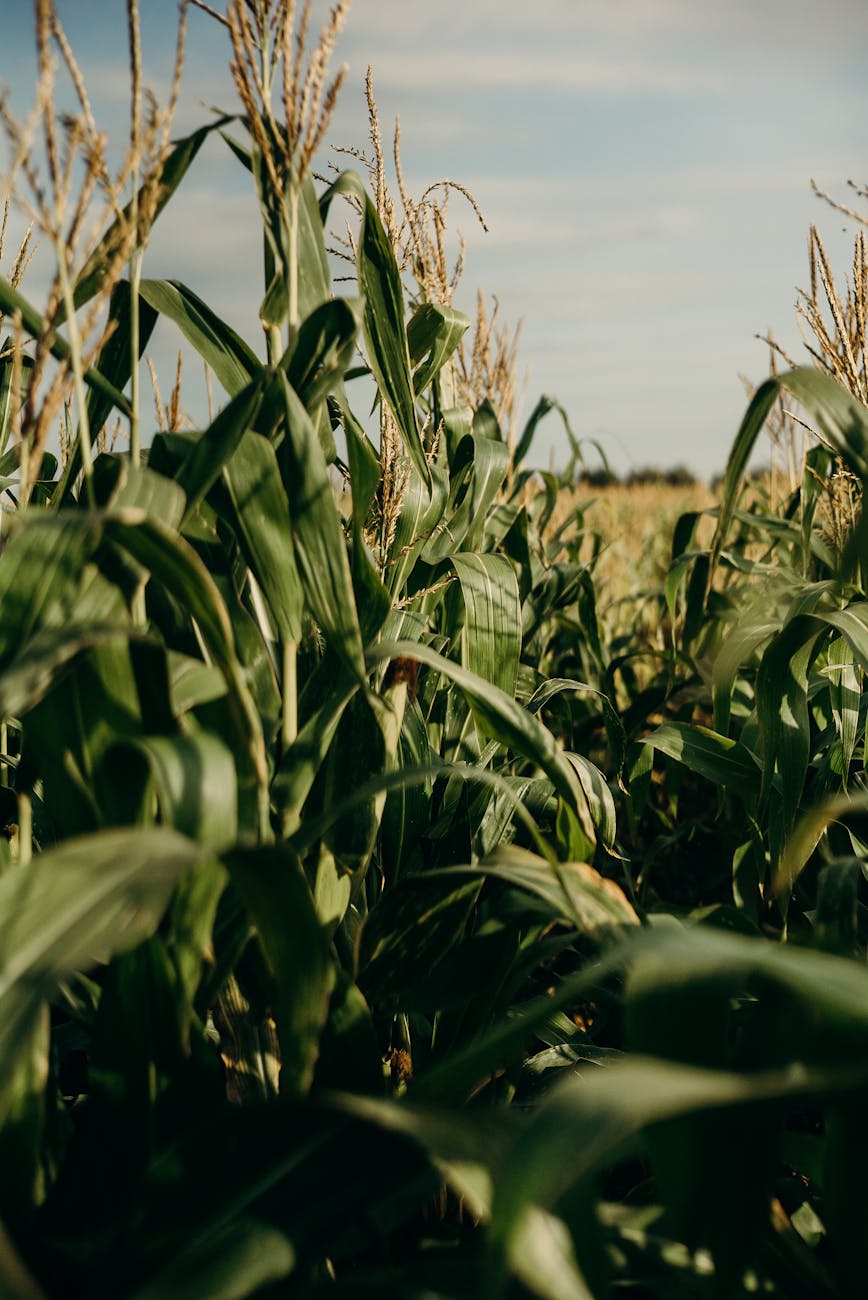
When you drive out of the Chicago area, you can see what appear to be endless fields of these two crops. Illinois may lead the country in pumpkin production but the amount of corn and soybeans grown is much higher. These may not be “exciting” crops but they are used in many ways.
Put it another way: what would Chicago area residents think if “Land of Lincoln” was changed “Land of Corn and Soybeans”? Would they associate those crops with other places (like corn with Iowa)?
And would being a state that leads in corn and soybean AI be an advantage? If so, how much so and where would the benefits go?
Brazil is set to overtake the U.S. this year as the world’s top corn exporter, reflecting both a bumper harvest and logistical breakthroughs such as the consolidation of northern export routes, which are boosting the competitiveness of the South American grains powerhouse.
Corn exports through Brazil’s northern ports, which use the waterways of the Amazon River basin to ship grains globally, are on track to beat volumes via the most traditional port of Santos for a third consecutive year, according to a Reuters analysis of grain shipping data.
The shift underscores how Brazil, which churns out three corn crops per year and still has huge expanses of under-used farm land, is finally overcoming some of the infrastructure bottlenecks that have long made it hard to get its bountiful harvests to global markets.
That and a new supply deal with China announced last year suggest Brazil may be opening a longer era of supremacy over U.S. corn exports, unlike the last time the Brazilians briefly grabbed the global corn crown during North America’s drought-hit 2012/13 season.
Three thoughts connected to this shift:
-The image of the Midwest in the United States often involves corn. Corn mazes, corn palaces, endless fields of corn. Does this diminish anytime soon in the Midwest? Does Brazil have similar regional and cultural connections to corn?
-One of the reasons Chicago grew rapidly and became a global city is because it became a center for buying, selling, trading, and shipping commodities like corn. Corn poured into the city and helped make it wealthy and influential. Now, activity involving commodities has increased elsewhere. Will the traders in Chicago be betting on Brazilian corn?


 Legally Sociable