Goodbye dining rooms in American residences

Hello great rooms, goodbye dining rooms:
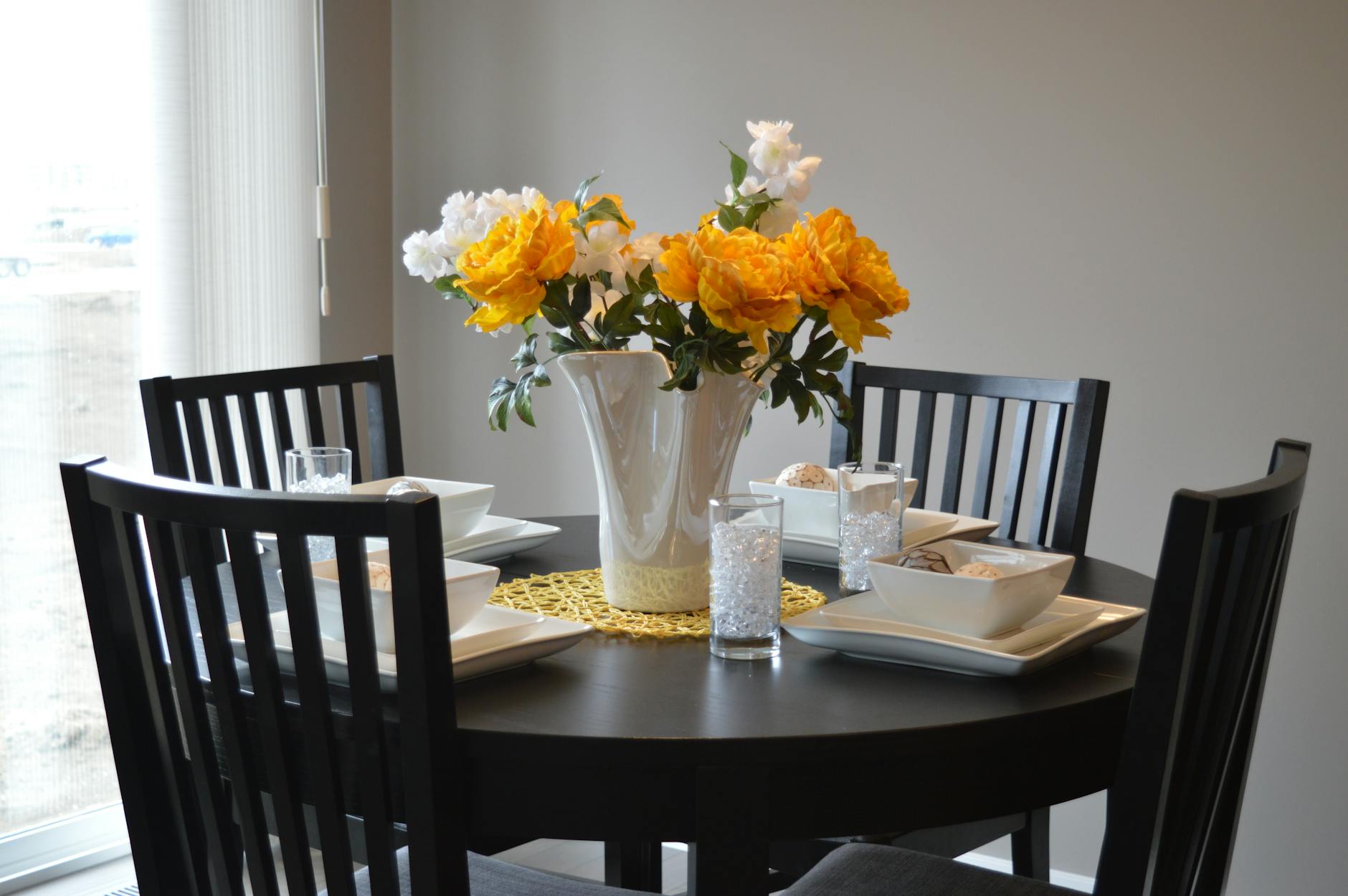
Photo by Pixabay on Pexels.com

But in many new apartments, even a space to put a table and chairs is absent. Eating is relegated to couches and bedrooms, and hosting a meal has become virtually impossible. This isn’t simply a response to consumer preferences. The housing crisis—and the arbitrary regulations that fuel it—is killing off places to eat whether we like it or not, designing loneliness into American floor plans. If dining space keeps dying, the U.S. might not have a chance to get it back…

According to surveys in 2015 and 2016 by the National Association of Home Builders, 86 percent of households want a combined kitchen and dining room—a preference accommodated by only 75 percent of new homes. If anything, the classic dining room isn’t dying fast enough for most people’s taste…

“For the most part, apartments are built for Netflix and chill,” Bobby Fijan, a real-estate developer and floor-plan expert, told me. “The reason the dining room is disappearing is that we are allocating [our] limited space to bedrooms and walk-in closets.” Even though we’re dining at home more and more—going to restaurants peaked in 2000—many new apartments offer only a kitchen island as an obvious place to eat.

The article does a nice job laying out some of the reasons for these shifts. Builders and consumers have reasons for moving away from dining rooms.

Another way to think about this: sitting down an eating is now a secondary task to other matters including watching screens and being near kitchen activity (food preparation, socializing). Having a dedicated spot to sit and eat – which then can lead to conversation and togetherness – is less of a priority.

Does having a dining room lead to more meals eaten together? Does having a dining room lead people to spend more time there or does the dining room get put to other uses?
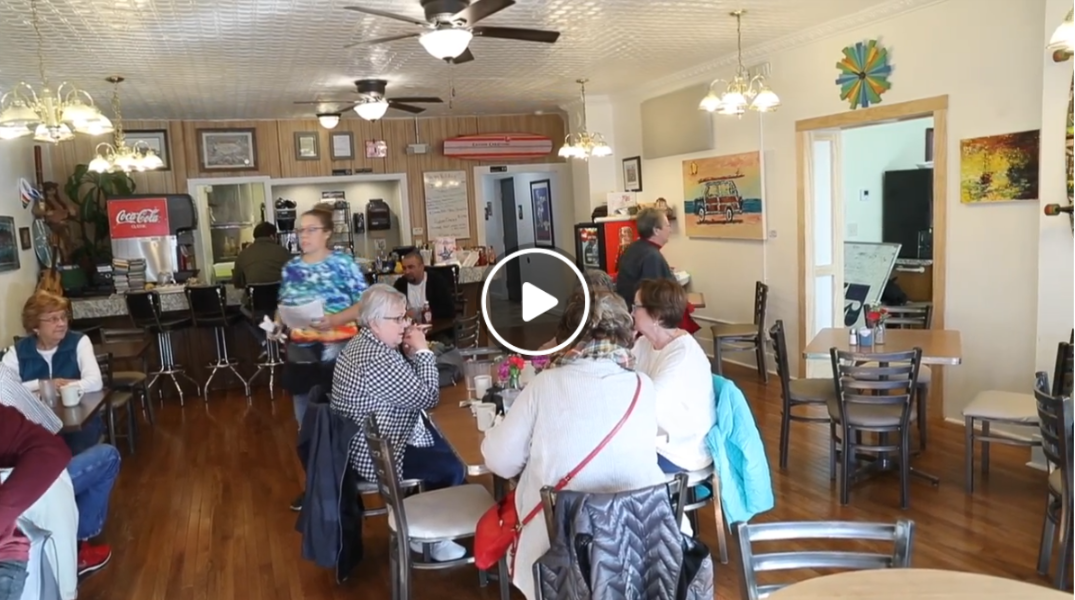
A restaurant smaller than a McMansion dining room

McMansions are known for having a lot of space; certain restaurants try to keep the dining room very small. Thus, the comparison between an Omaha cafe and a McMansion dining room might not seem out of place:

You feel at home in Sojourn the minute you walk in the door and down a hall that’s separated from the eating area. When you reach the cafe, it’s much like you’re entering your own dining room. The serving area, with 12 tables for four, is smaller than some dining rooms in suburban McMansions.

OmahaRestaurantDiningRoom

However, this appears to be a decent-sized space with room for twelve tables, 48 customers (plus the small countertop in the back), and still some room for people to get by. And if this estimate of 12 square feet per diner is anywhere close, this space has roughly 570 square feet.

This would make for a very large McMansion dining room. Even with the interest Americans might have in always having some extra space, how many times does a McMansion owner need to seat 48 people? A 20 foot by 20 foot square McMansion dining room comprising of 400 square feet would be smaller than this space. A 40 foot by 15 foot rectangular dining room would be slightly larger than this. The size of this cafe is probably more akin to a great room or family room in a McMansion rather than a dining room.

So why the comparison here to a McMansion? Two guesses. First, the emphasis is on the relatively small space of the cafe. While the video does not suggest the space is too tight, the dining room would certainly be lively with a half full or more dining room. This is not a suburban chain restaurant with tables upon tables; this is a limited space. Second, the description attempts to highlight the coziness and warmth of the space. McMansions have plenty of space as well as limited charm due to their cookie-cutter nature and cavernous rooms.