Electrical grids working efficiently

Infrastructure may work but not do so efficiently. One firm says this is the case for ComEd’s electrical grid:
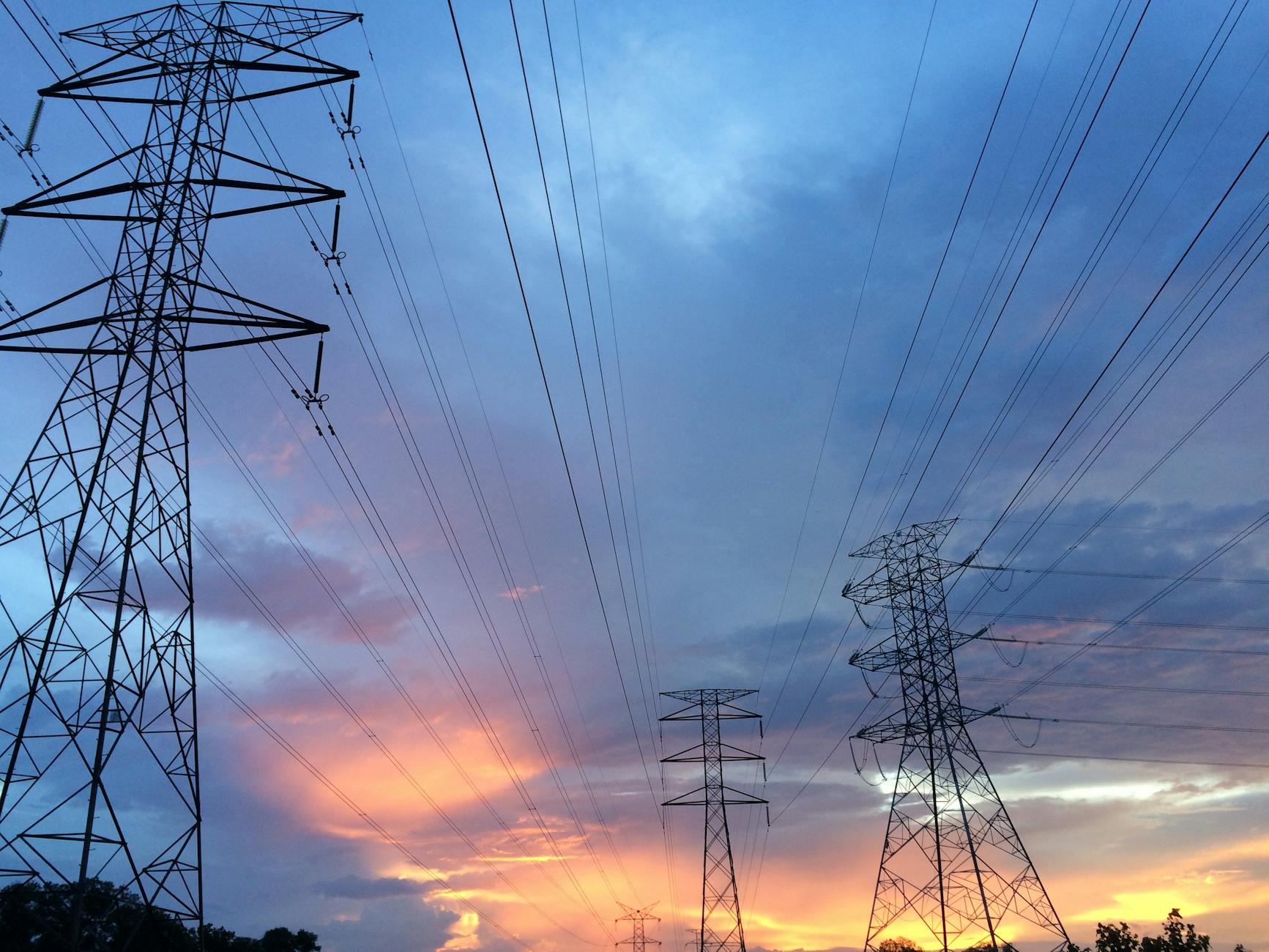
Photo by Pok Rie on Pexels.com

The ComEd territory essentially has the least efficient electrical grid in the country, with 40% of homes experiencing power distortion at 8% or greater, according to Whisker Labs. That means roughly 1.7 million ComEd customers are paying upward of $500 per year in energy waste, according to Bob Marshall, CEO and co-founder of Whisker Labs.

“ComEd in particular shows that they by far have the highest percentage of homes that have harmonics that are outside of industry acceptable limits,” Marshall told the Tribune. “It causes a reduction in the energy efficiency of everything that uses electricity in the home.”

The electricity provider did not agree with the assessment:

ComEd questioned the methodology behind the Whisker Labs data, and said it has one of the most reliable electric grids in the nation. At the same time, the utility acknowledged that the increased cost of the electricity is impacting many of its Chicago-area customers this summer, with low-income customers being hit the hardest.

It is one thing to have infrastructure in place. Is there electricity, water, the Internet, and more available? Are the roads driveable?

It is another question to ask whether that infrastructure is working as it could or should. If this claim is correct, what would life be like if the electrical grid worked more efficiently? Of if the water didn’t just come but the pipes were free of lead? Or if the transportation options were not just there but were ones that residents felt good about choosing? And so on.

Optimizing infrastructure can be tricky. How many people want to pay money now to improve things for benefits down the road? Is a 10% (or whatever the percentage is) improvement in efficiency worth it? These can be more difficult judgment calls that depend on current conditions and resources.

But I cannot imagine too many companies or places want to be last in rankings of infrastructure.

Pondering 24+ hours of no electricity

I recently wrote about a question that could garner some interesting responses from students: “what does civilization as we know it rely on?” I suggested electricity would be high on the list of technological advancements and after a 24+ hour period last week without power, I have some additional thoughts about something we take for granted.

1. Having no power even for a few days had me wondering about premodern and modern sleeping patterns. Without electricity, one would really benefit from getting up with the sun rising and going to sleep at dark. Were there night owls before electricity or is this a modern condition?

2. Having refrigerators and freezers helps remove us from the process by which food is made. The daily process of purchasing or producing fresh food is unnecessary with electricity but is more likely if one can’t store food for long periods of time.

3. Most of our modern entertainment and information gathering relies on electricity.

4. Natural light within a house becomes much more important without the possibility of electrical lighting. The trend in recent years is toward more natural light and while this may be aesthetically pleasing and more green, it also provides some insurance when there is no power.  

5. If we get to a point where we all have electric cars, what happens then in a power outage? Is this an added bonus of the Chevy Volt which also can run on gas?

6. I would be interested in knowing how the electrical grid is set up. While I know this is secret information (trade secrets plus avoiding mischief and crime), I wonder how redundant the grid is. That is, how many homes and businesses are connected in such a way that electricity can reach the building by several paths meaning it would be more difficult to knock out the power?

7. Why not include short-term, a few days or so, backup systems or small electricity generators (solar, gasoline, etc.) in new homes? Between electricity outages and people worried about a collapse of modern society, might there be a market for this?

Infrastructure, beware the solar flare

Concern has grown in recent years about how much of our infrastructure, electricity, wireless technology, and more, would be affected by solar flares. National Geographic suggests that if we experience a solar flare like Carrington Event of 1859, we would be in trouble:

[T]the biggest solar storm on record happened in 1859, during a solar maximum about the same size as the one we’re entering, according to NASA.

That storm has been dubbed the Carrington Event, after British astronomer Richard Carrington, who witnessed the megaflare and was the first to realize the link between activity on the sun and geomagnetic disturbances on Earth…

In addition, the geomagnetic disturbances were strong enough that U.S. telegraph operators reported sparks leaping from their equipment—some bad enough to set fires, said Ed Cliver, a space physicist at the U.S. Air Force Research Laboratory in Bedford, Massachusetts.

In 1859, such reports were mostly curiosities. But if something similar happened today, the world’s high-tech infrastructure could grind to a halt.

“What’s at stake,” the Space Weather Prediction Center’s Bogdan said, “are the advanced technologies that underlie virtually every aspect of our lives.”…

But the big fear is what might happen to the electrical grid, since power surges caused by solar particles could blow out giant transformers. Such transformers can take a long time to replace, especially if hundreds are destroyed at once, said Baker, who is a co-author of a National Research Council report on solar-storm risks…

“Imagine large cities without power for a week, a month, or a year,” Baker said. “The losses could be $1 to $2 trillion, and the effects could be felt for years.”

An event even close in scale to the Carrington Event would quickly remind us of how much we take this infrastructure for granted.

Although I don’t wish for something like this to happen, it would make for a fascinating natural experiment. If there was no electricity for an extended period, how would governments and people respond? Would we end up in scenes reminiscent of Hollywood apocalyptic thrillers or could we survive and make do? Such movies tend to built around the idea that there will be widespread destruction, not the loss of vital electricity. And if everyone is affected, who would lead the way forward?

h/t Instapundit