How many items large museums have that are not on display

The final scene of Raiders of the Lost Ark involves an expanding shot of the ark being taken into a vast warehouse in a nondescript box. Is this what really happens to important items from the past?

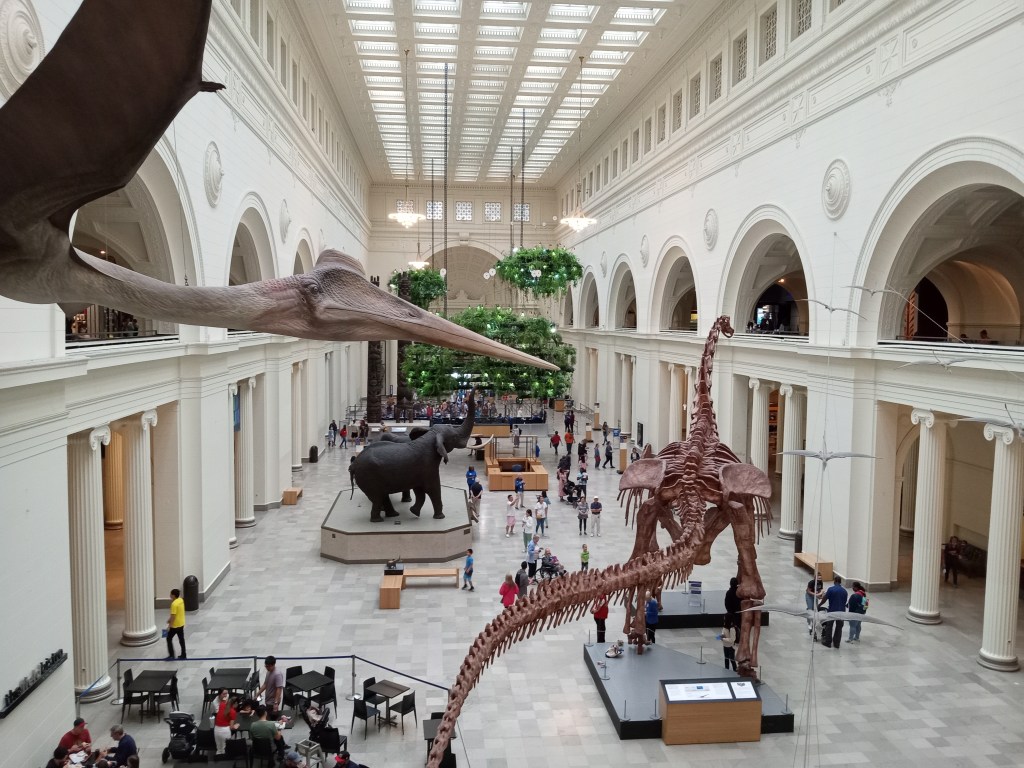
Years ago, I had the opportunity to visit some of the storage rooms of the Field Museum in Chicago. This large museum has lots of exhibit space – over 480,000 square feet, according to the museum – but there is even more behind the scenes. The rooms were not full of anonymous boxes but there were shelf after shelf of items.
Or take the British Museum in London. According to the museum, just 1% of their collection is on display. Even as millions of visitors walk through large displays, there are many more items they never see.

Is this all part of a conspiracy theory – as suggested in the Indiana Jones movie – or is this simply how museums operate? The latter is the case as these items may not be on display for a variety of reasons and they serve as resources for ongoing research. The public may see a wealth of items but there is much more in storage.

Outside of working in the museum and archives business, I am not sure how one might see such storerooms around the world. I was impressed by what I saw at the Field Museum and can only imagine what is in secure storage elsewhere.

Quick Review: The Field Museum

My wife and I recently visited the Field Museum in Chicago. She had never been there and while I have been there a number of times, my most recent visit was about 10 years ago. We didn’t see everything but there was a lot of variety in our five hours. Some quick thoughts about one of the major museums in Chicago:

1. The museum has a range of exhibits, from ancient Egypt to modern Africa to animals to dinosaurs to gemstones to plants. There is a lot to take in and hold the interest of a variety of people.

2. We both agreed on the best exhibit: a temporary exhibit titled “Mammoths and Mastodons: Titans of the Ice Age.” While the main attraction here was a recently discovered young mammoth named Lyuba, the whole exhibit was informative and interesting. We saw plenty of tusks, video presentations about different kinds of research involving these animals, bone and tooth casts we could touch, and more. This exhibit it well worth seeing.

3. We both felt some exhibits were much more interesting (and modern) than others. The exhibit “The Ancient Americas” was great from early peoples through Northwest and Arctic peoples. However, the displays for Native Americans was stuck in the 1960s (or perhaps earlier) and is lacking compared to the others. The gemstone exhibit had been updated since I last saw it and both the modern Africa and Pacific Spirits galleries were interesting. The stuffed animals on the first floor from Africa and Asia look dated plus a number of the animals are in local zoos. Overall, it looks like the museum has worked hard to update a number of exhibits but some still need some work.

4. The price seems to be getting out of hand. We paid $22 a person for the Discovery Pass, a ticket that allows you into one special exhibit (and we choose the Mammoths and Mastodons). Even the Basic Admission is $15. If one were taking the family of four to the museum, it would cost at $60 for tickets (up to $116 for four All Access tickets) plus $19 for parking in one of the museum’s lots. Add in a quick meal at the Corner Bakery or McDonald’s (both inside the museum) and this is an expensive day at the museum.

For those looking to learn more about other cultures, animals, and nature, the Field Museum is an enjoyable place to visit.