
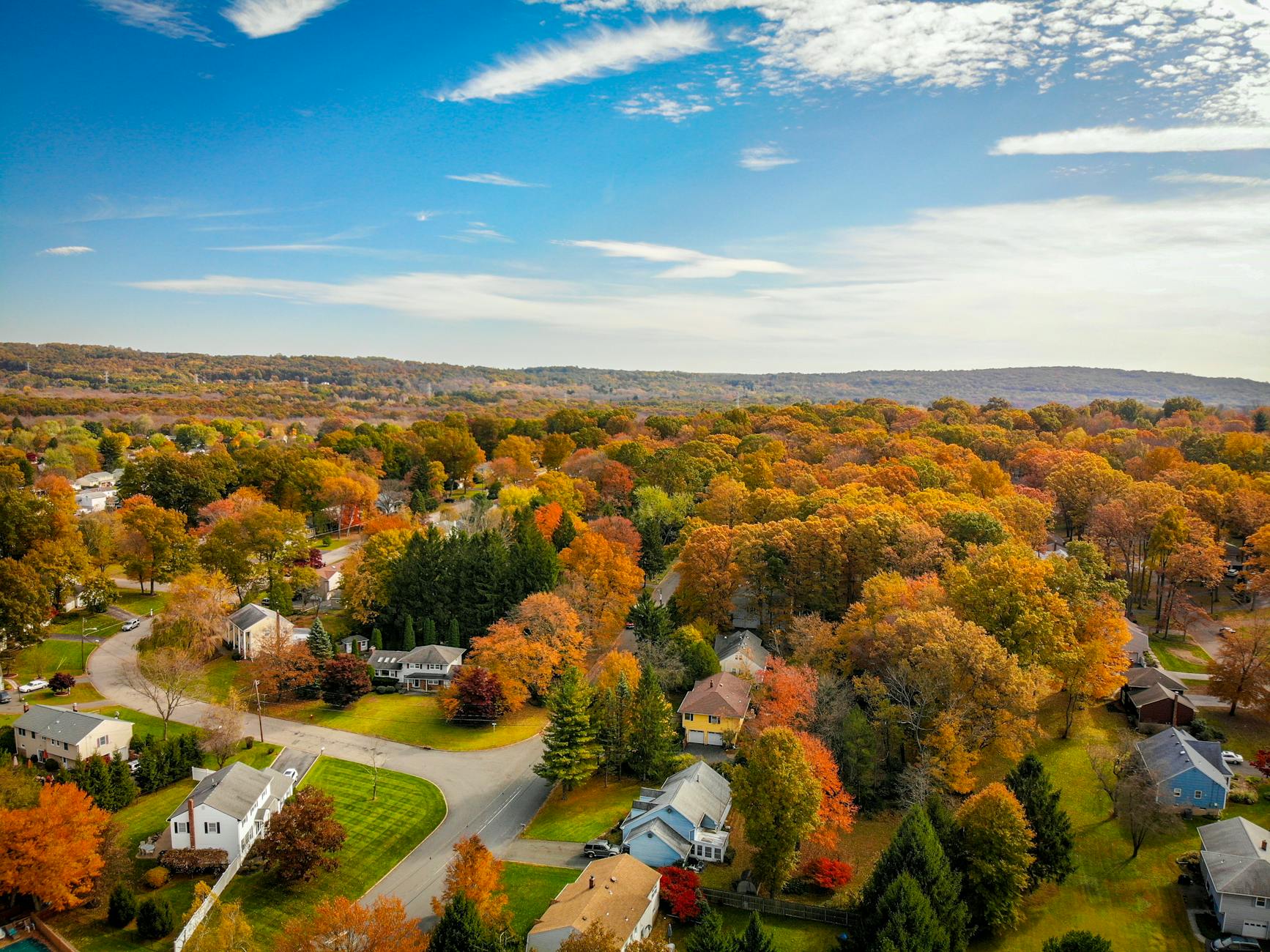
Multiple suburbs in the Chicago region allow for the conversion of suburban single-family houses into group homes for seniors or adults with disabilities. However, they generally agree that the conversion cannot alter the appearance of the home:
A 2021 Northwest Municipal Conference survey of its members identified 14 suburbs permitting group homes for particular populations, largely those with disabilities.
However, the conversion of homes into assisted living centers for seniors is becoming increasingly prevalent. Schaumburg has seen two proposals in the past year alone. There are also online seminars offered to entrepreneurs looking to flip homes and turn them into assisted living centers, aimed at the nation’s aging population.
Regulations vary in towns that allow such conversions. Some require approval from a village board or city council, while other towns don’t require such approval because these uses are already allowed in its residential code. But all enforce rules against external changes to the houses that would identify them as group homes…
“You’ll be driving down a neighborhood and never know we’re there apart from a van picking people up or dropping them off,” said Little City Foundation CEO Rich Bobby…
While the intention of the homes is to blend in, a degree of engagement with neighbors is sought in advance to paint an accurate picture of those who are going to live there.
A common suburban story regarding proposed changes to houses might go like this: neighbors get wind of a possible change in a subdivision or residential area. They express concerns about such changes altering the character of the community. Perhaps there might be increased traffic, noise, and lights? They share that they moved into this location because it was a quiet, residential space. Changes to that format threaten their day-to-day experiences and their property values.
But what if the changes to that house or residence were minimal in nature? Or, as the regulations above suggest, the exterior of the home does not look any different and there is not a noticeable change in day-to-day life around the home? Would this allay all the concerns?
From this article, it sounds like concerns have been at a minimum thus far. The number of conversions is small. Perhaps there is a tipping point where multiple proposals in the same neighborhood or on the same straight might draw more attention. But if neighbors do not see significant changes on the outside, they might not have many issues.
Given the needs of the suburban population, I suspect more suburbs will face this particular issue in the coming years. Building large facilities can be difficult and costly. If converting homes to group homes can help serve residents and neighbors are okay with it, perhaps this will happen in a lot of places.
(This reminds of a 2013 book looking at affordable housing built in New Jersey where one of the goals was to design the multi-family housing units in a way that people passing by would not identify them as affordable housing. With some design work, this was largely accomplished and relatively few neighbors opposed the project.)
 Legally Sociable