“Lift Every Voice and Sing,” hymns, and civil religion

The song “Lift Every Voice and Sing” was written in 1900:
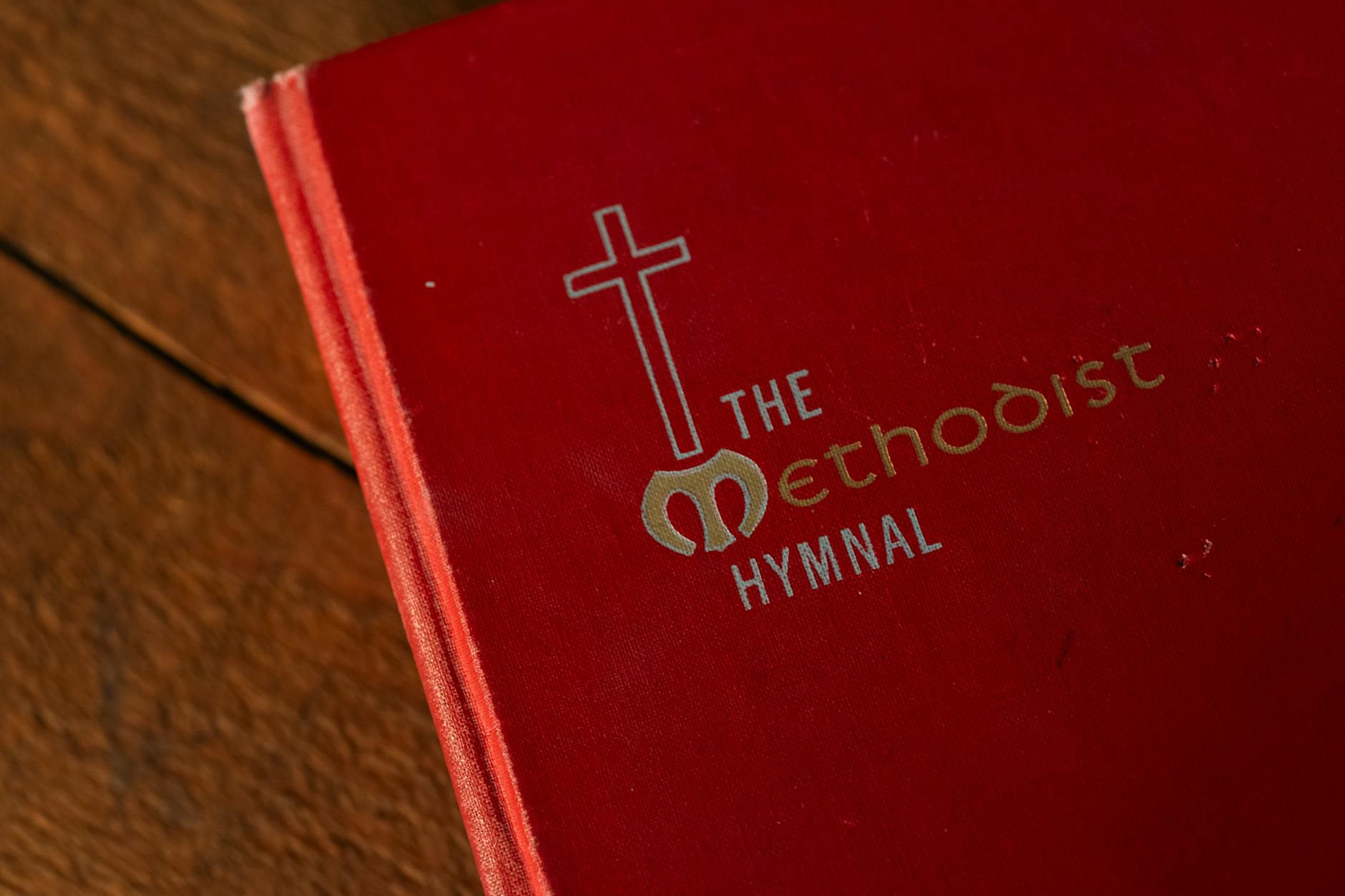
Photo by Owen.outdoors on Pexels.com

Often referred to as “The Black National Anthem,” Lift Every Voice and Sing was a hymn written as a poem by NAACP leader James Weldon Johnson in 1900. His brother, John Rosamond Johnson (1873-1954), composed the music for the lyrics. A choir of 500 schoolchildren at the segregated Stanton School, where James Weldon Johnson was principal, first performed the song in public in Jacksonville, Florida to celebrate President Abraham Lincoln’s birthday.

At the turn of the 20th century, Johnson’s lyrics eloquently captured the solemn yet hopeful appeal for the liberty of Black Americans. Set against the religious invocation of God and the promise of freedom, the song was later adopted by NAACP and prominently used as a rallying cry during the Civil Rights Movement of the 1950s and 1960s. 

How many hymnals is the song in? Hymnary.org lists the song being in 46 hymnals. For some quick comparisons on the same site, “The Star-Spangled Banner” is in 446 hymnals, “Battle Hymn of the Republic” is in 557 hymnals, “A Mighty Fortress” is in 681 hymnals, and “Amazing Grace” is in 1,459 hymnals.

Americans are used to civil religion where religious concepts are mixed with public and political rituals. What are the boundaries for this regarding hymns? I imagine there are long histories and discussions about whether songs about one’s country should be in the hymnal and used within congregations.

Celebrating ordinary work in a hymn

I know wading into opinions of hymns, worship songs, and other church music can be thorny. But, here on Labor Day, I am reminded of verse 4 of the hymn “Earth and All Stars”:

The hymn presents different aspects of Creation and the fourth verse specifically addresses workers, particularly those devoted to building. There are not too many church songs I know of that address how work can be part of worship and devotion. Indeed, many songs could give the impression that Christian activity should primarily consist of sacred duties. Of course, there is a long history of Christians wrestling with work and how ordinary tasks contribute or connect to faith. Adding more music that highlights work, something that occupies many hours and engages the minds, bodies, and talents of many, could go a long way to connecting laboring and faith.

(As a musician and educator, I also notice verse three and five and the ways they connect these activities to religious expression. And in what other setting can you sing about “loud boiling test tubes”? At the same time, there is room in this song to celebrate other forms of work and labor.)

Anti-urban hymn? “God, who stretched the spangled heavens”

Yesterday’s service featured #580 in the 1982 Episcopal hymnal, “God, who stretched the spangled heavens.” Beyond being a mid-20th century hymn (and they have some interesting quirks themselves), the second verse was very interesting:

Proudly rise our modern cities,
stately buildings, row on row;
yet their windows, blank, unfeeling,
stare on canyoned streets below,
where the lonely drift unnoticed
in the city’s ebb and flow,
lost to purpose and to meaning,
scarcely caring where they go.

It almost seems like this should be immediately followed by “Eleanor Rigby” by the Beatles: “All the lonely people, where do they all belong?”

This hymn tries to balance two images in this verse (and supported elsewhere in the song): on one hand, we have “stately buildings,” impressive demonstrations of modern capacities and on the other hand, these great cities are full of people “lost to purpose and to meaning.” On the whole, this is not a favorable view of city life, even if it is trying to be descriptive and demonstrate the issues modernists face. Are there any hymns that talk about vibrant urban neighborhoods?

I resolve to be on the watch for anti-urban messages in other hymns. I wonder if there is a large gap in hymn content in this area between more mainline denominations who retained a little more presence in the big cities during the post-World War II suburban boom and also tend to hold to political views that suggest engagement with the city while religious conservatives have more individualized songs and desire escape from the dirty, evil cities.