
What is the American Dream actually about? An editorial in the Chicago Tribune considers how younger Americans see the American Dream:
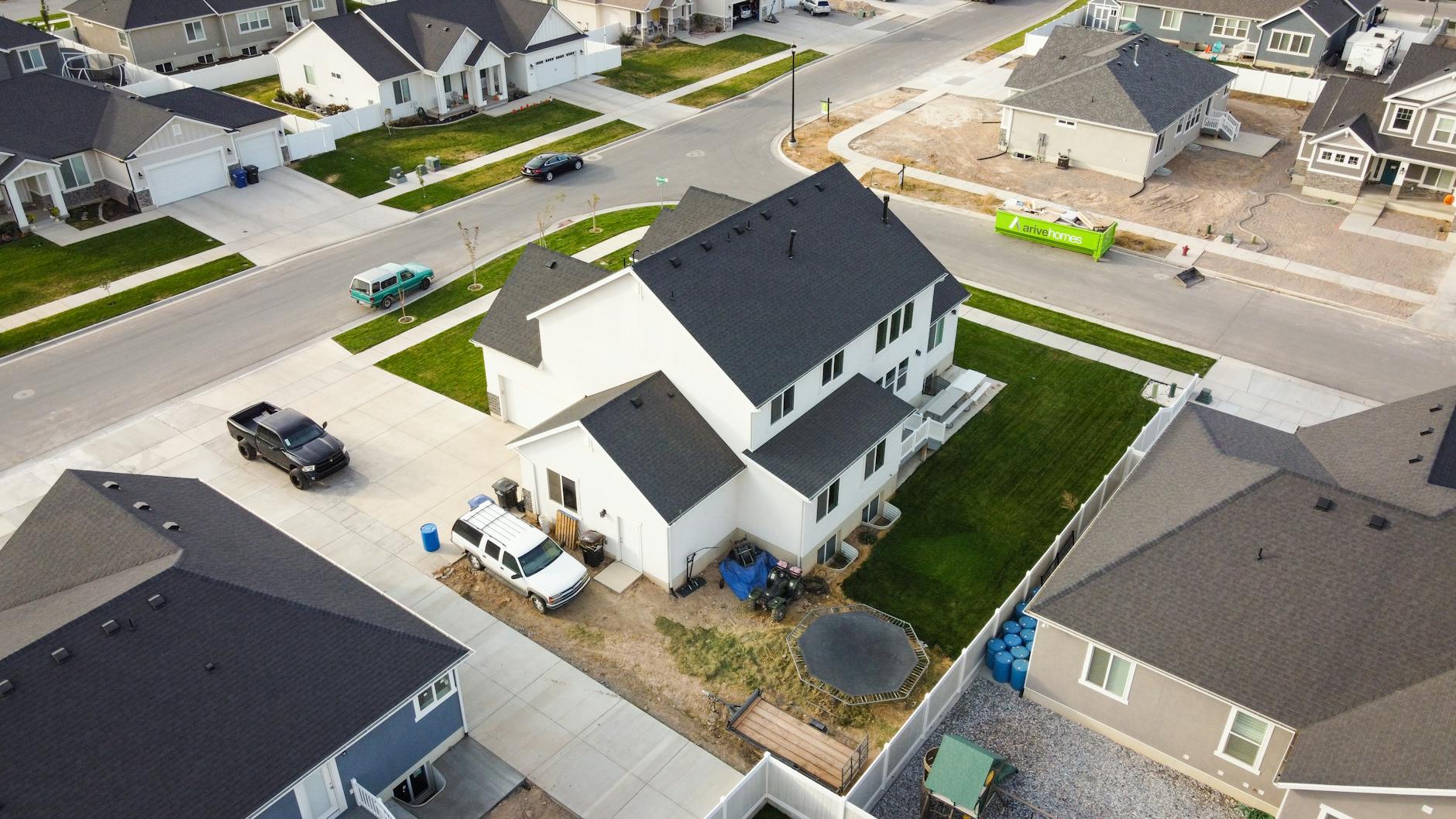
Lower marriage rates and lower homeownership among younger adults seems to indicate the increasing elusiveness of what we have long considered the American Dream of owning your own place and building a family.
So what’s going on? Is this a generational shift in values — or the predictable result of a system that’s become too expensive and too precarious for anyone to gain a foothold?…
So is the American Dream disintegrating? Or is it changing shape?
We think the answer is a bit of both. Affordability plays no small role in explaining why fewer young people buy a home or choose to go into debt for a degree…
If Gen Z does bring marriage back into fashion, it won’t be a return to tradition so much as a reinvention of it — one that values stability, yes, but also flexibility and purpose. That’s the American Dream now.
The suggestion above is that the American Dream involved (1) homeownership and (2) having a family. Have these two things and you have made it. The contrast is provided at the end. Younger Americans perceive more instability in the economy and in relationships. The old path of securing a home and family is not as easy. They want something different: “flexibility and purpose” rather than “stability.”
How much of a change is this? The key might be getting at the motivations behind achieving these goals. What was having a home and family about? Reaching a certain middle-class status? Keeping up with the Joneses? The shift toward “flexibility and purpose” is about what exactly: self-sufficiency? Status? A better sense of self?
In other words, I wonder if this is more about changing methods to achieve the American Dream rather than a shift in goals. As noted in the editorial, many younger Americans still want to own a home. Many will pursue relationships. But the means to getting here may have changed. There is a narrative now that this former path was easy: the decades after World War Two provided easy opportunities for many Americans to buy a home and start a family. Perhaps this was a unique time in history with relative prosperity and the conclusion of a major war where the United States emerged as a winner.
Imagine several decades from now when the postwar era is one hundred years ago. Americans may still want the same things – purpose, a sense of achievement, a certain status – but what form that takes may have changed. What marks a middle-class life may look different. Feeling accomplished or stable may take a different form.
 Legally Sociable