How homeowners and investors see home purchases differently

What is buying a home about? It could depend who you are:
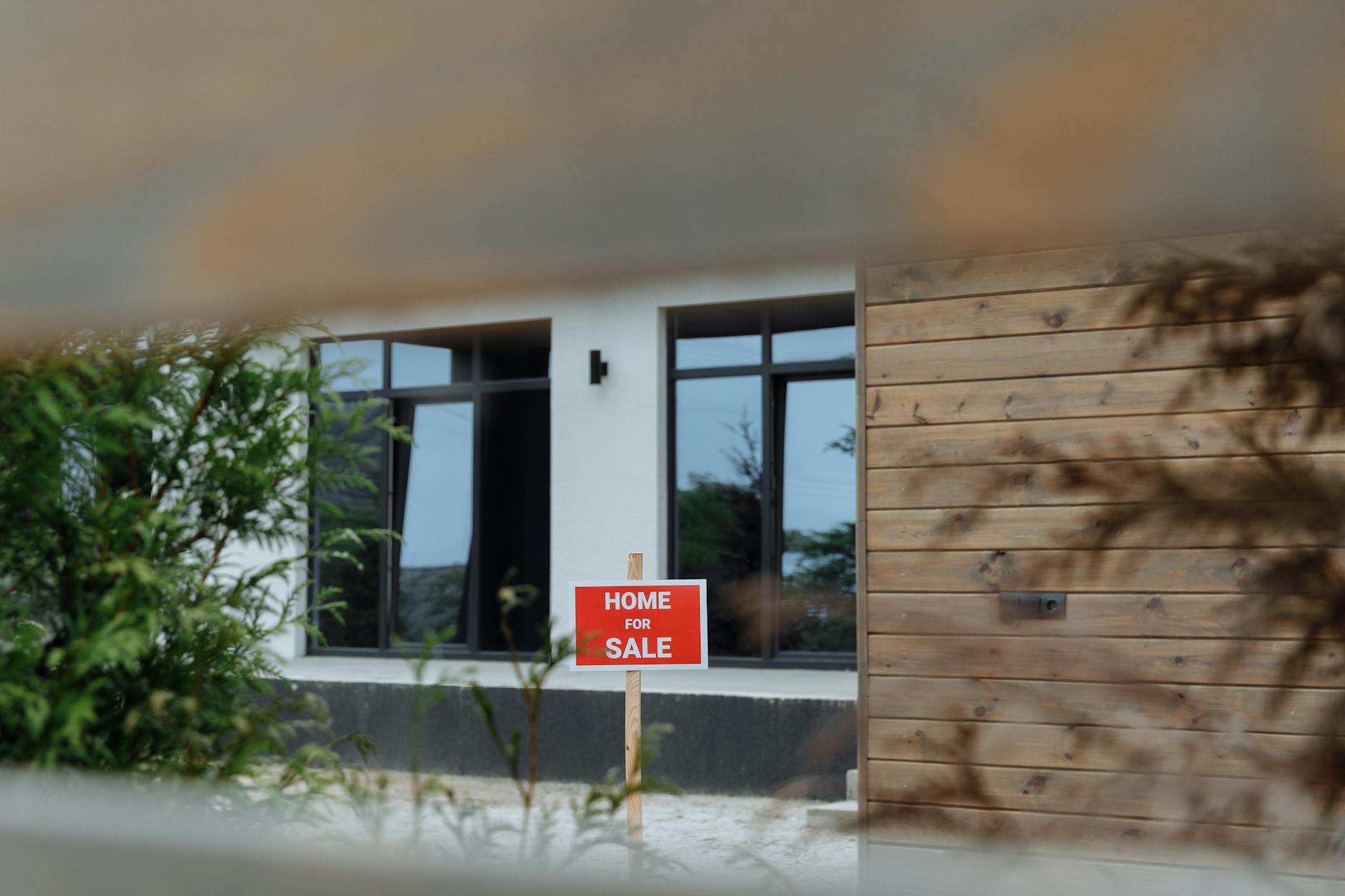
Photo by Thirdman on Pexels.com

Ordinary buyers and investors have different priorities when sizing up a house purchase. An owner-occupier will focus on whether they can afford the monthly mortgage payment, rather than obsessing over cap rates. They might be willing to overpay if the house is in a good location and is the right long-term fit for them or their family.

It can be frustrating for institutional investors when house hunters bid prices up to irrational levels in tight markets, as is happening today. But sky-high valuations have a silver lining for landlords. Oddly, family homes have turned out to be a great hedge against higher interest rates, as the lock-in effect of ultralow in-place mortgages has protected valuations. And now is a great time for landlords to prune their portfolios and sell properties at near-record prices. 

As the existing housing stock is so unaffordable, investors need to find other ways to grow their portfolios. Large players such as American Homes 4 Rent are building houses themselves, or buying newly constructed units directly from builders. This should be helpful for the undersupplied U.S. housing market.  

There is also a small pool of properties that can be picked up at prices that make sense to investors. According to real-estate investor Amherst, around $12 billion of two-to-four-bedroom homes are currently listed for sale at a 5.75% cap rate. These properties are cheaper because they need work. But it might be more lucrative to patch them up than to build new ones, given it currently costs $200 a square foot on average to build a house compared to $20 to $30 a square foot to renovate.

In the end, both sets of owners want to gain financially from their purpose. Investors want a return on their investment as do homeowners as they tend to expect the value of their property to increase in their time as owners.

But how they get to that return seems to differ. The homeowner will often live in the property in the meantime. As mentioned above, the financial return is not the only factor involved. For the big investor (the primary focus in the article as opposed to smaller investors), a property might be more of a data point among many other properties.

In both situations, it is worth asking how this emphasis on financial investment changes (1) the experiences of those living there and (2) communities. Owning a single-family home has long been part of the American Dream but the move to treating it more like a financial commodity does change matters.
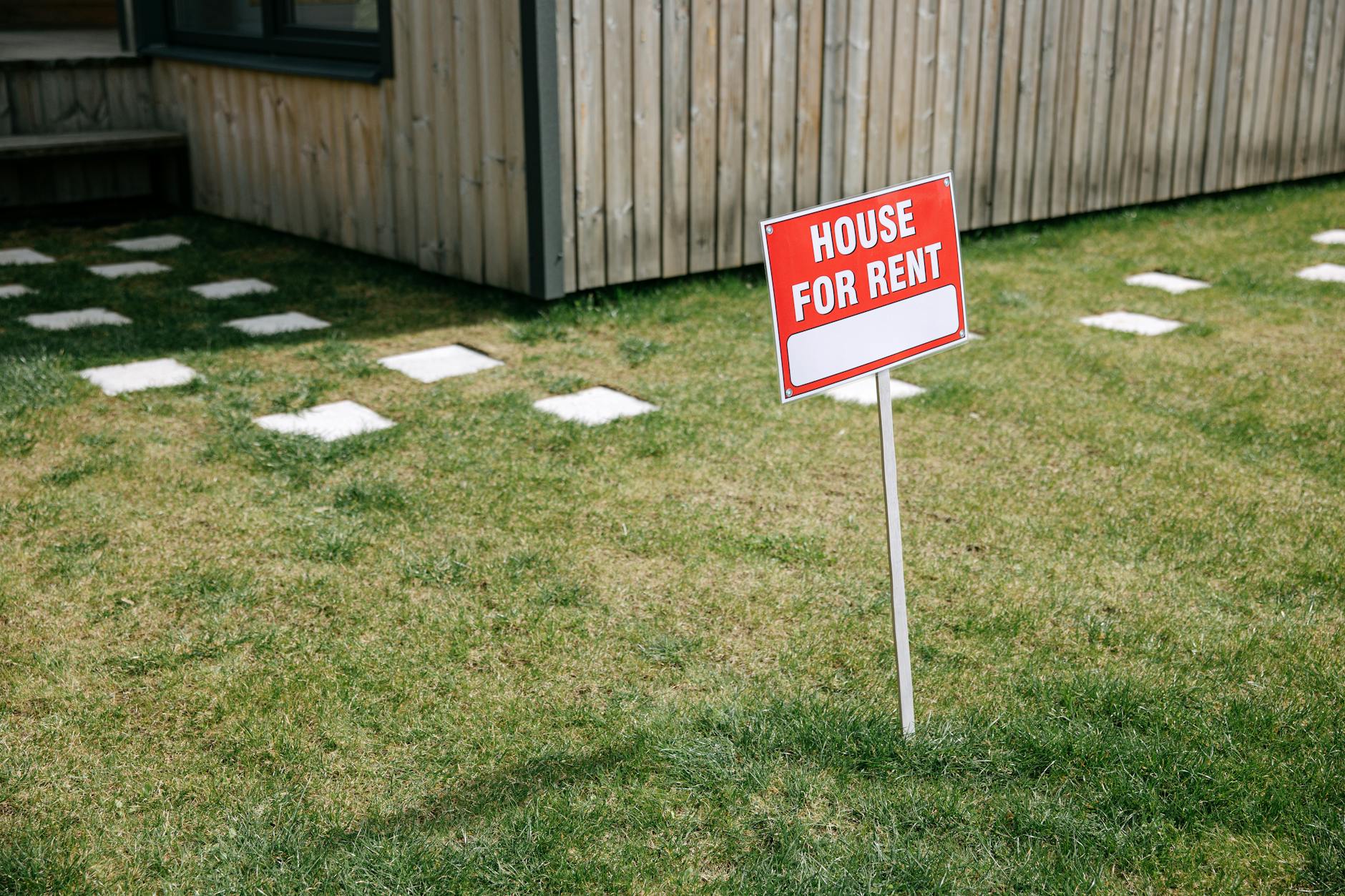
“Wall Street landlords” don’t own a big percentage of residential properties though percentages are higher in some clusters

An analysis of “Wall Street landlords,” big firms buying up residential properties, suggests they do not own a large percentage of residences overall but their property does tend to be in some clusters:

Photo by Ivan Samkov on Pexels.com

Nationally, Wall Street landlords that have more than 1,000 units in their portfolios own just 1% of all of America’s family homes and 4% of all of the houses that are rented out. In most areas, their presence is still too small to have much effect on local housing dynamics. If current trends continue, though, their share of the market for single-family rentals could increase 10-fold by the end of the decade, MetLife Investment Management estimates. 

There are a handful of U.S. neighborhoods where investors are densely clustered, particularly in Georgia, North Carolina, Florida and Texas. They have bought more than 1,000 homes in 53 zip codes, putting their ownership of the local housing stock anywhere from 4% to 12%, according to data from real-estate analytics firm Parcl Labs. The data includes some houses temporarily owned by builders, as well as foreclosed properties on banks’ books, but most are held by institutional landlords. 

Wall Street housing investors tend to herd into the same neighborhoods because their algorithms spot the same opportunities. They screen the country for cities and towns with population growth and job openings—places where there is likely to be competition for homes. They prefer to own three-bedroom, suburban properties that are around 1,500 square feet in size and offer a convenient commute downtown. Young parents like these kinds of homes, and landlords like to rent to families because they become sticky tenants once their children enroll in local schools.  

Big landlords are also able to sift through reams of data to spot bargains. The 53 zip codes where they are most densely clustered offer cheap housing. The median single-family home price in these areas is $345,400, based on Redfin data—around a fifth below the national level. Rents, however, are only 3% below the national median. 

It sounds like they have bought more in places where there are deals and money to be made relatively quickly. If unchecked, would they then uncover more places that offer deals and just keep going until there are no deals left?

Or might conditions and the approach of landlords change in the future. Some communities might restrict who can purchase residences. The landlords might be willing to hold on to properties for longer, particularly if higher rents are sustainable. Or the broader housing market twists and turns (currently few sales) might affect how landlords and communities act.

At the moment, I am most intrigued by the numbers: 1% of single-family homes, 4% of rented homes. Are these large enough percentages to fundamentally alter housing? I could see how there would be effects in clusters of owned properties and these clusters could introduce spillover effects to nearby locations or the broader market.

Investing in foreclosed homes goes public

Here is a new business model: buy a lot of foreclosed homes after a housing bubble bursts, plan to rent out many of the properties, and watch the money flow in.

Though Blackstone is unlikely to sell much or even any of its stake in an IPO, the stock market debut will test investors’ interest in the idea that the rental-home business can be institutionalized as apartments, shopping centers and office towers were before.

Blackstone and others investors believed that the housing collapse presented a rare opportunity to acquire homes for less than it cost to build them. Millions of foreclosures created a market large enough to justify investing in large systems to manage and maintain sprawling portfolios of rental homes…

To generate the revenue growth that shareholders will demand, they must pace rent hikes to avoid spooking tenants into becoming home buyers themselves. And now that foreclosure rates have returned to normal levels and prices have rebounded, they could find it difficult to add new houses at attractive prices.

They also must convince investors that huge home-rental companies are viable long-term businesses, not just massive portfolios of properties that need to be sold off.

I imagine there will be some particular parties (not just investors) interested in how this works out:

  1. Nearby residents. What happens if this leads to significantly more renters of homes in certain places? Americans tend to view renters more negatively than homeowners – though this might change in the future if the country shifts to fewer homeowners. How well will Blackstone do with having quality renters and following up with issues?
  2. Communities. Having renters is probably preferable to having vacant homes. But, they might have similar concerns as nearby residents as well as other interests in how Blackstone uses the properties.
  3. Advocates for affordable housing. There was some concern a few years ago that having large firms like this purchase cheap homes could limit lower priced housing. The lower end of the housing market could use more stock but investors may need to pursue higher rents in order to generate profits.
  4. Renters and homebuyers. What kind of rents will Blackstone charge? Will they eventually sell these properties and at what price? What kind of landlords will they be.

Additionally, I wonder what would happen if this does not prove to be a viable business plan. Are there others who would be interested in purchasing these properties? What if foreclosure proceedings begin with an institutional investor?

How big investors buying up properties may be limiting cheaper housing

The economic crisis opened up space for bigger housing investors yet here is one argument about how their actions may be limiting the supply of cheaper housing:

A recent article in the Wall Street Journal highlighted how some investors are using algorithms to quickly parse housing data and formulate bids on undervalued properties, site unseen. While doing so is a cool technological feat, it can spell trouble for normal people trying to navigate the often complex home-buying process in order to make offers on similar homes. And algorithms aren’t the only benefit that more sophisticated investors have. “Investors are winning over the first-time buyers in some bidding processes because investors are all cash,” says Lawrence Yun, a chief economist at the National Association of Realtors. For a seller that means a smoother deal: no waiting around on financing, loan approvals or other inconveniences that traditional buyers bring to the table.

For their part, some investors contend that the homes they purchase don’t put them in direct competition with first-time buyers. Invitation Homes, an investing and leasing company owned by Blackstone says that they typically funnel another 10 to 12 percent of the purchase price into renovations in order to make a property market-ready—an investment that most first-time home buyers wouldn’t be able to afford. Many investors also contend that compared to the number of homes that are bought and sold nationwide, their activity is just a drop in the bucket.

When looking at the big picture, that’s true. Nationwide, large institutional investors made up only 4.3 percent of the single-family home purchases in the market during 2014, according to RealtyTrac a real-estate data firm. And overall investment activity is dwindling as home values return to normal and there are fewer deals to be had. Dallas Tanner, the chief investment officer at Invitation Homes says that the group currently buys about $25 to $30 million a week of single-family properties, that’s down from their 2012-2013 peak when the group spent upward of $160 million each week.

But like all things in real estate, it’s also a matter of location. Lots of investor activity is concentrated in markets where homes are still available at reasonable enough prices that purchasers can turn a profit. According to a February 2015 report from RealtyTrac, “There were 35 zip codes nationwide where at least 50 single-family homes were purchased by institutional investors in the fourth quarter, with institutional investor purchases representing from 17 percent to 74 percent of all single-family home sales in those zip codes.” Places like: Atlanta, Phoenix, Las Vegas, and Memphis. Those are also places that first-time buyers have the best bet of stretching their dollar far enough to purchase a home. Herbert, of the JCHS, says that that in some places, developers may in fact be pushing out normal home buyers, “For certain property segments, they may be creating competition.”

Even as the higher end of the housing market does well (see recent evidence here, here, and here), any impediment on the lower end of the market isn’t helping these days. With developers not showing much interest in building starter homes, these institutional investors may be grabbing up homes that those who want to join the housing market – whether recent college graduates or those working lower-income jobs – would need to get their foot in the door.

So if Americans – from politicians to average citizens – want to push homeownership, are these institutional investors good for this in the long run?

Institutional buyers slow purchases in the Chicago region

Rising home prices in the Chicago area have slowed the purchases made by institutional investors:

But several housing markets, including Chicago’s, are considered prime places for institutional buyers to cash out if they choose, walking away with tidy profits, according to an analysis by RealtyTrac. These are the same investors that consumers have complained about because their own bids for distressed homes were beat out by the firms’ higher cash offers.

Institutional investors, defined as buyers who acquired 10 or more homes during a year, spent an average of $161,252 to acquire a home here, and that home now has an average market value of $210,126, according to RealtyTrac. That’s a gain of 30 percent. Meanwhile, the S&P/Case-Shiller home price index puts the Chicago area’s home price gain between January 2012 and this past September at 22 percent.

That rise in prices certainly has tempered large investors’ appetite to increase their holdings. In Cook County, for instance, affiliates of Blackstone Group, which operates its homes under the Invitation Homes name, acquired close to 150 homes in 2013. This year, they bought fewer than 20, according to property transfers filed with the Cook County recorder.

The question becomes at what point does the housing market normalize enough, and enough consumers opt to buy instead of rent, that profits level off and firms begin to sell those homes. In the meantime, they are settling in, learning their role as landlords and the ins and outs of taking care of properties and tenants. There have been liens filed against them by contractors seeking to get paid for work completed. There have been eviction cases filed against tenants who haven’t paid the rent. And there have been the expenses associated with homeownership.

It will be interesting to see what these institutional investors do. Will they wait to see if they can get higher prices within a relatively short time frame? Are they in it for the long haul but only with some houses or areas within the region? Can they handle large-scale maintenance and renting? I want to see more work in this area to find out the (a) long-term goals of these investors; (b) how residents and local leaders view them as time goes by; and (c) how their actions affect other players in the real estate market, particularly people at the lower end of the housing market who need a good deal in order to purchase a home.

In first half of 2013, roughly 20% of Chicago area home purchases by institutional investors

A good portion of the homebuying activity in the Chicago region during the first half of 2013 was driven by institutional investors:

Chicago home prices climbed 11 percent in November from a year earlier, the biggest jump in almost a quarter century, according to S&P/Case-Shiller data. While gains are slowing across the country, the Windy City was one of nine areas in the group’s 20-city index to show a year-over-year increase in housing values…

Institutional investors, led by companies such as Blackstone’s Invitation Homes and American Homes 4 Rent (AMH), have bought as many as 200,000 U.S. properties in the last two years, taking advantage of real estate prices that fell as much as a third from the 2006 peak, and rising demand for rentals among Americans who lost their houses in the foreclosure crisis. Their reach has stretched from the hard-hit regions of California to small Ohio towns to the sprawling suburbs of Atlanta…

In Chicago, investors accounted for about 20 percent of purchases in the first half of last year, according to Geoff Smith, executive director of the Institute for Housing Studies at DePaul University in Chicago.

Like the portfolios of other investors, Invitation Homes’ Chicago-area holdings are mostly filled with properties in suburbs such as Barrington and Oak Park. The smattering of houses they own in the city itself is evidence that the rebound is starting to broaden. Even in some neighborhoods where prices fell more than the rest of Chicago during the foreclosure crisis, values are climbing.

The average homeowner may not pay much attention to this because at least their home values are increasing again. The Chicago area housing market has been sluggish and local media has made much of the uptick in home prices. Additionally, these investors are filling a void in the market.

But, this could lead to more questions in the long run.

1. What will these institutional investors do with these properties years down the road?

2. What happens when the Chicago market is no longer profitable for these institutional investors?

3. Does this mean that the average homebuyer has a better chance to buy a home or does this simply concentrate buying power in the hands of the already wealthy? In other words, this may not provide more affordable housing.

4. Since communities, particularly suburbs, tend to think homeowners are better community members than renters, is it a problem when so many homes are purchased with the intention of having more renters?