
An article about visiting Hagia Sophia in Istanbul begins this way:
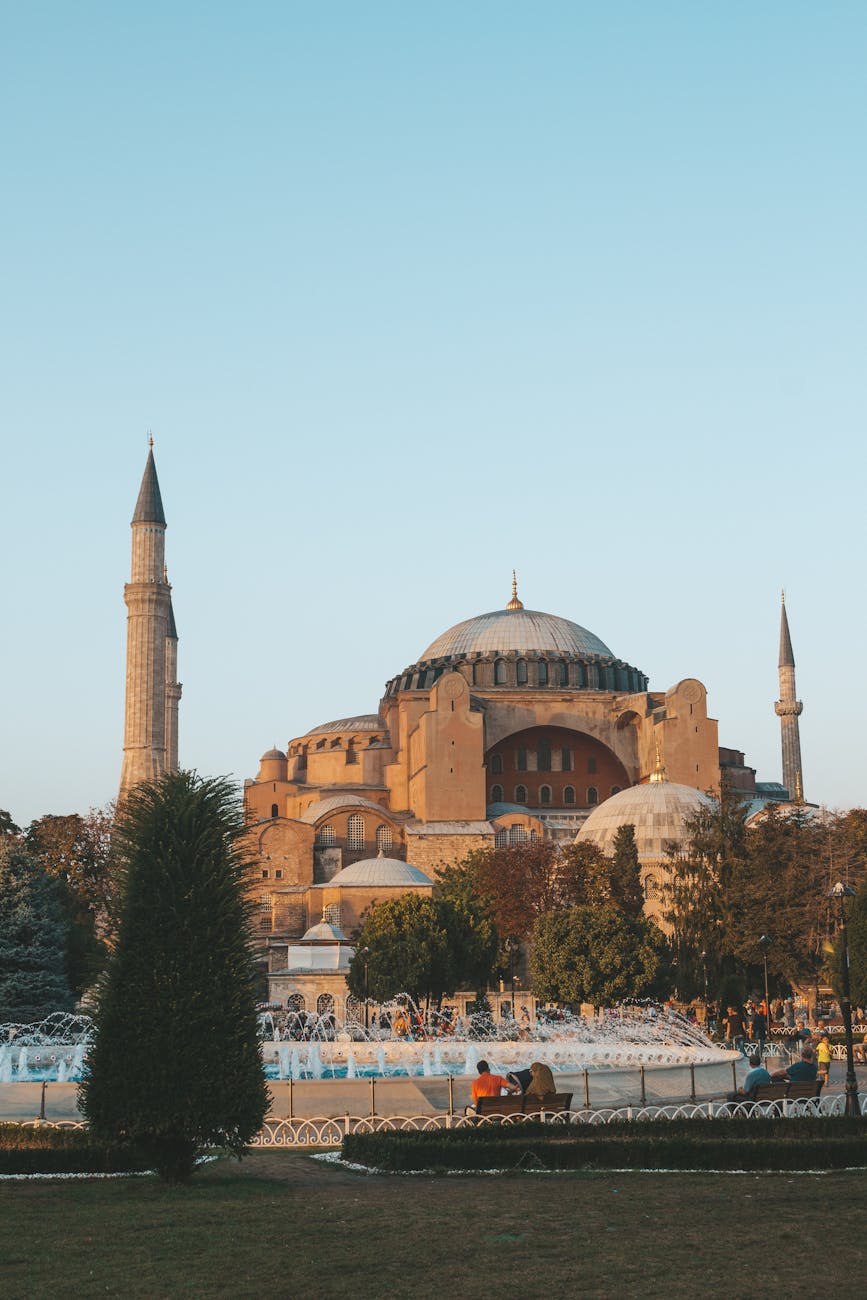
Whether you’re a believer or not, visiting Hagia Sophia is a spiritual experience. The architectural genius of this place of worship — which was built as a church in 537CE before its conversion into a mosque in 1453 — creates an illusion of vastness. It feels like the space starts to expand when you enter the building.
I bet the builders of the church intended for this to be the case: being in the religious space was to be “a spiritual experience.” I was struck by the contrast of this versus what people today might experiences in religious buildings. Not many religious buildings can come close to the scale or the history of Hagia Sophia yet how many of them regularly help produce a spiritual experience for visitors?
Many congregations have moved away from architecture and design that could prompt a spiritual experience. Perhaps they want to have a space that can serve multiple functions. Perhaps they have limited resources and so are renting a building. Perhaps they believe architecture and art distracts from the true goals of gathering together. Perhaps they utilize modern styles which not everyone interprets as spiritual.
Having co-authored a book about religious buildings, I also find the idea that one could have a variety of or no religious beliefs and still have a spiritual experience in this building interesting. Is this because it fits some template of what religious buildings could be or because of its particular architecture or its history? The building connects with human needs and aspirations? That a building could produce such emotions is worth considering further through study and experience.
 Legally Sociable