
In his latest work of fiction, John Grisham opens a chapter by describing a scene:
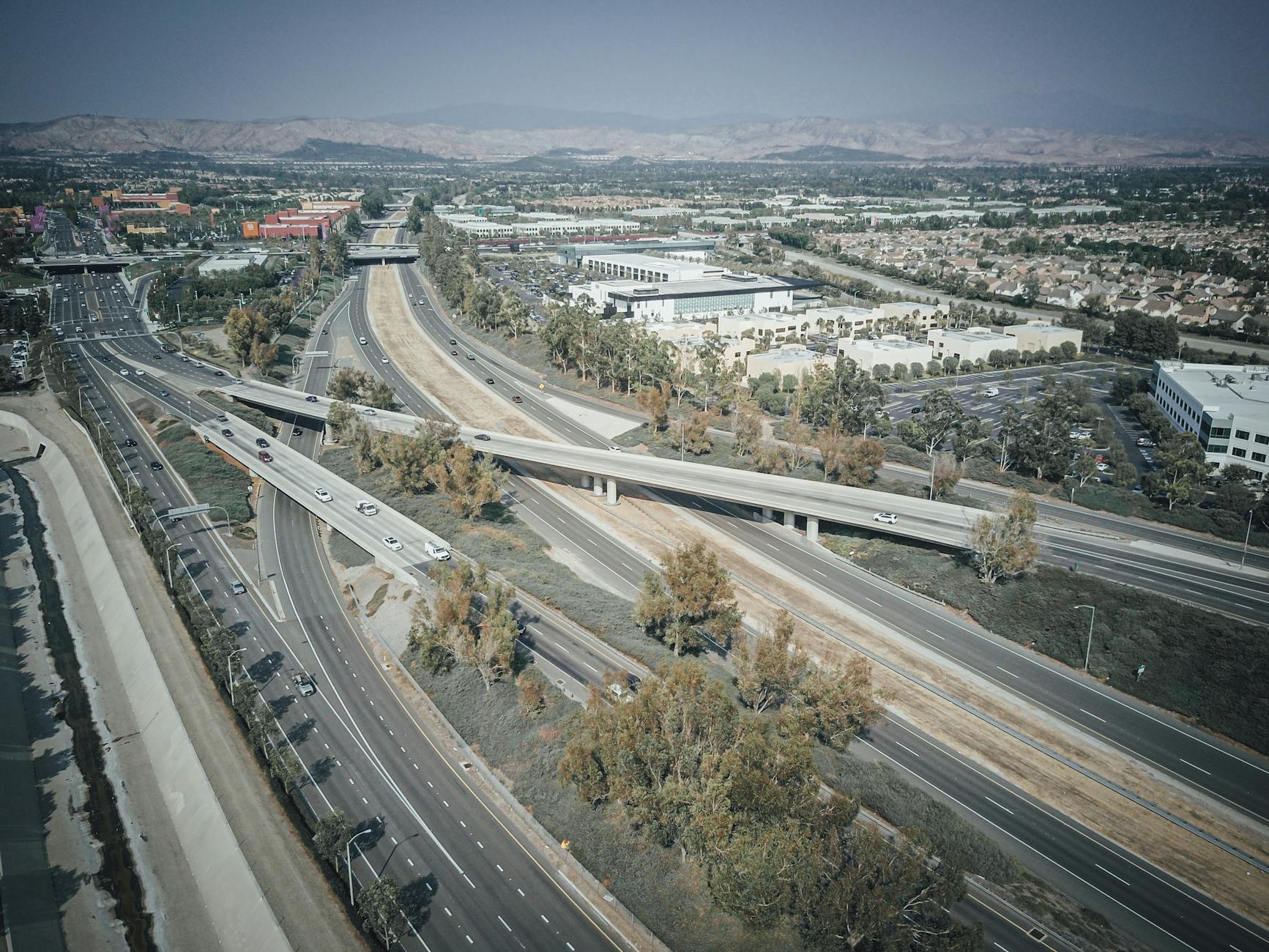
Across the Camino River and headed west away from the island, the busy highway was lined with shopping centers, fast food restaurants, car dealerships, car washes, churches, and big box retailers, the typical American sprawl. Billboards advertised cheap loans, scowling lawyers, and plenty of subdivisions. Construction was in the air. New developments, new “neighborhoods,” new retirement villages were up to seemingly overnight. Realtors’ signs clogged the intersection. Every other truck belonged to a plumber, an electrician, a roofer, or an HVAC specialist advertising a deep concern for your comfort and quality of life.
This paragraph contains multiple traits of suburban sprawl as described by numerous people in recent decades. This includes:
- Highways lined with particular businesses (a “typical” American streetscape?).
- Lots of vehicles on the roads.
- Fast growth (developing happening “seemingly overnight”).
Perhaps the biggest thing missing – though hinted at with “realtors’ signs” – are single-family homes that loom large in American suburbs.
On one hand, the book gets at the problems of sprawling waterfront growth in Florida. This has its own unique features. On the other hand, would the description above be out of place around Las Vegas, Nashville, or Dallas or decades ago outside New York, Chicago, or Minneapolis?
 Legally Sociable