
A 2004 Onion article imagined a “Museum for the Middle Class” in the Chicago suburb of Schaumburg:
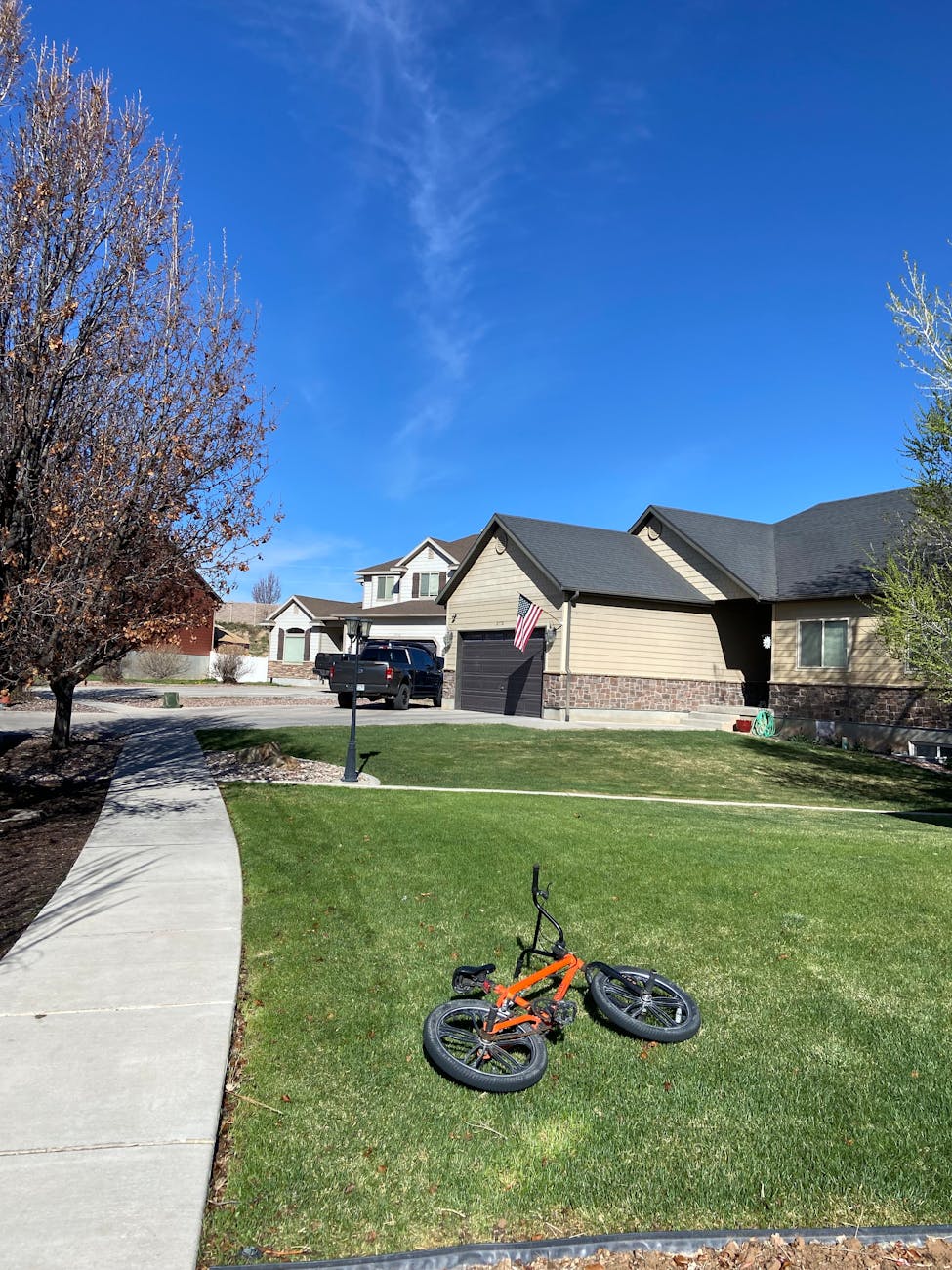
“The splendid and intriguing middle class may be gone, but it will never be forgotten,” said Harold Greeley, curator of the exhibit titled “Where The Streets Had Trees’ Names.” “From their weekend barbecues at homes with backyards to their outdated belief in social mobility, the middle class will forever be remembered as an important part of American history.”
Museum guests expressed delight over the traditions and peculiarities of the middle class, a group once so prevalent that entire TV networks were programmed to satisfy its hunger for sitcoms…
During the modern industrial age, the middle class grew steadily, reaching its heyday in the 1950s, when its numbers soared into the tens of millions. According to a study commissioned by the U.S. Census Bureau, middle-class people inhabited great swaths of North America, with settlements in the Great Plains, the Rocky Mountains, the Pacific Northwest, and even the nation’s urban centers…
One of the 15 permanent exhibits, titled “Working For ’The Weekend,’” examines the routines of middle-class wage-earners, who labored for roughly eight hours a day, five days a week. In return, they were afforded leisure time on Saturdays and Sundays. According to many anthropologists, these “weekends” were often spent taking “day trips,”eating at chain family restaurants, or watching “baseball” with the nuclear family.
If there were such a museum, would it make sense to have it in Schaumburg? Here are a few pros and cons for doing so:
Pros: Schaumburg is a postwar suburban community incorporated in 1956. It is home to nearly 80,000 residents today. It has a large shopping mall within village limits and it has plenty of office space. (More on this in the Cons section.) It has access to multiple major highways and a train station on a line to Chicago, facilitating travel throughout the region. Locating a museum about middle-class life in a successful suburb makes sense given that suburban life is often associated with middle-class life.
Cons: Schaumburg is a particular kind of suburb, an edge city, with lots of retail and office space next to major highways. It is less of a bedroom suburb full of quiet single-family home neighborhoods and more of a suburban commercial center. It is less about a bucolic suburban lifestyle and more about easily-accessible stores and entertainment options. If a middle-class American life was about providing opportunities for their kids and having a single-family home, plenty of other suburbs could showcase this.
Perhaps the 2004 Onion was correct: the American middle-class of the turn of the twenty-first century might become a relic. If it does, where it is commemtorated will be interesting to see.


 Legally Sociable